Ottawa's $6.5 Billion Forestry Funding: A Lifeline or a Delayed Response?
📅 Today
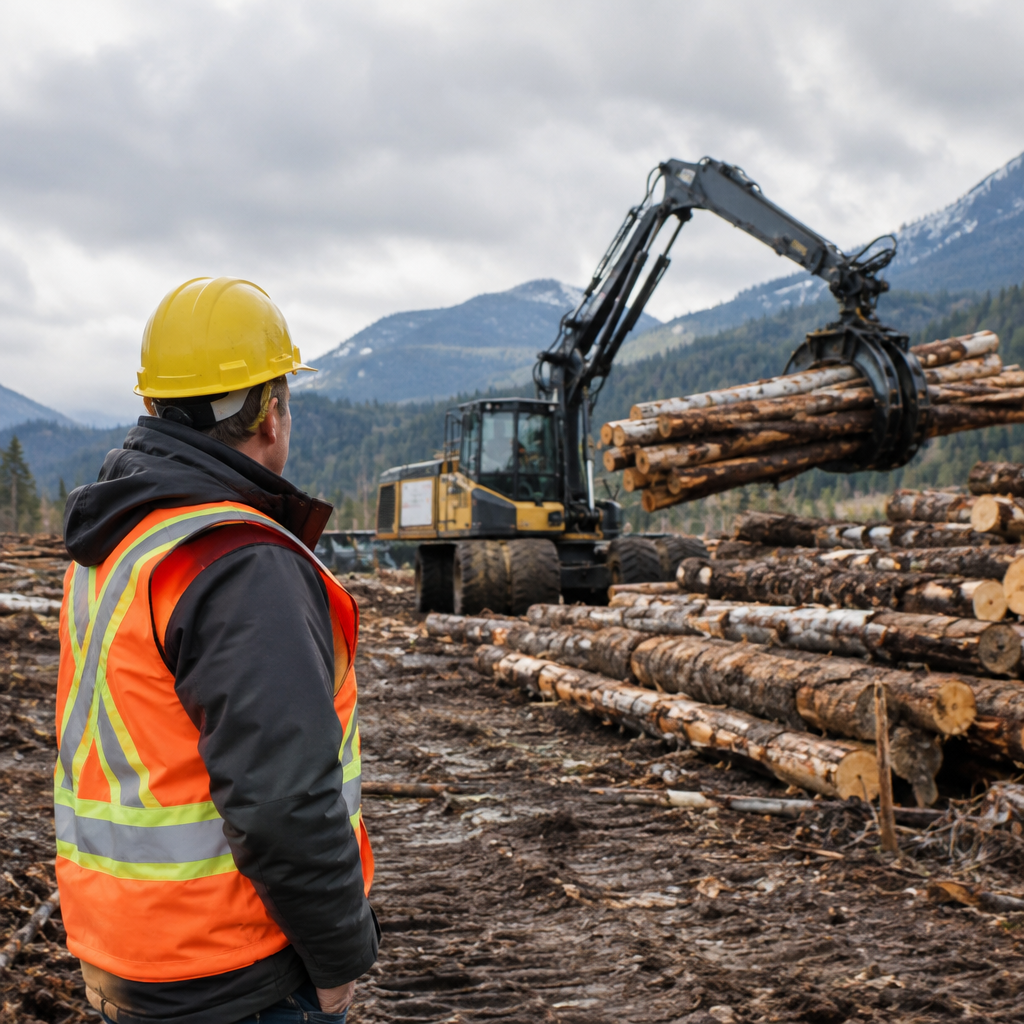
The federal government's $6.5 billion funding initiative aims to modernize Canada's forestry sector, but industry leaders express concerns over its delayed impact amid ongoing struggles.
OTTAWA – Leaders within the forestry sector have applauded the Canadian federal government's recent announcement of a $6.5 billion funding package, which is seen as a crucial step to revitalize the struggling industry. However, they caution that this financial support will not provide immediate relief to mills facing numerous challenges. Under the proposed plan revealed last week, the funding is set to be distributed over a period of six years, aimed at modernizing outdated mills, enhancing productivity, and fostering the development of new products. Nevertheless, the disbursement of these funds is not anticipated to begin until the 2027-28 fiscal year, leaving the industry to navigate ongoing threats from U.S. tariffs, sluggish market conditions, and escalating operational costs in the interim.Derek Nighbor, the president and CEO of the Forest Products Association of Canada, described the $6.5 billion commitment as a 'precedent setting' initiative that could ultimately transform the sector. However, he also warned that the year 2027 may prove to be another challenging period for the forestry industry, particularly as housing starts remain low and U.S. tariffs persist.
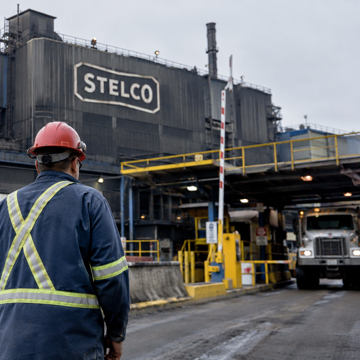
The forestry sector has endured significant hardships over the years, with a wave of mill closures and job losses impacting operations across the nation. Recently, the situation has worsened, as several pulp and paper mills across Canada have either shut down or suspended operations due to a variety of market pressures. For instance, AV Group NB Inc. has temporarily idled its pulp mill located in Nackawic, New Brunswick, which has affected around 350 workers. Similarly, Rayonier Advanced Materials has halted production at its facility in Témiscaming, Quebec, impacting over 300 unionized jobs. Moreover, Domtar announced in August its decision to indefinitely idle its Bayview Fibre chipping facility and Howe Sound pulp mill in Port Mellon, British Columbia, leading to job losses for approximately 400 employees.
Ken Farr, the president of the Canadian Institute of Forestry, expressed concern that the funding might arrive too late to save some of the mills currently in distress. He emphasized that the industry's problems are immediate and pressing. "The issue is now and the problem is now," said Farr. He described the current situation as a 'perfect storm' characterized by U.S. tariffs, aging facilities, and increasingly limited access to affordable timber supplies. Farr concluded by stating, "I don’t think any kind of funding can be sent too soon. It will help companies upgrade their equipment, raise productivity, and transition to higher-value wood and paper products."
🏷️
forestry
pulp and paper
U.S. tariffs
funding
Construction
industry challenges
mill modernization
economic impact
Canada
Related Posts