
Canada's Housing Market Faces New Challenges as Builders Navigate Resale Prices
📅 5 days ago
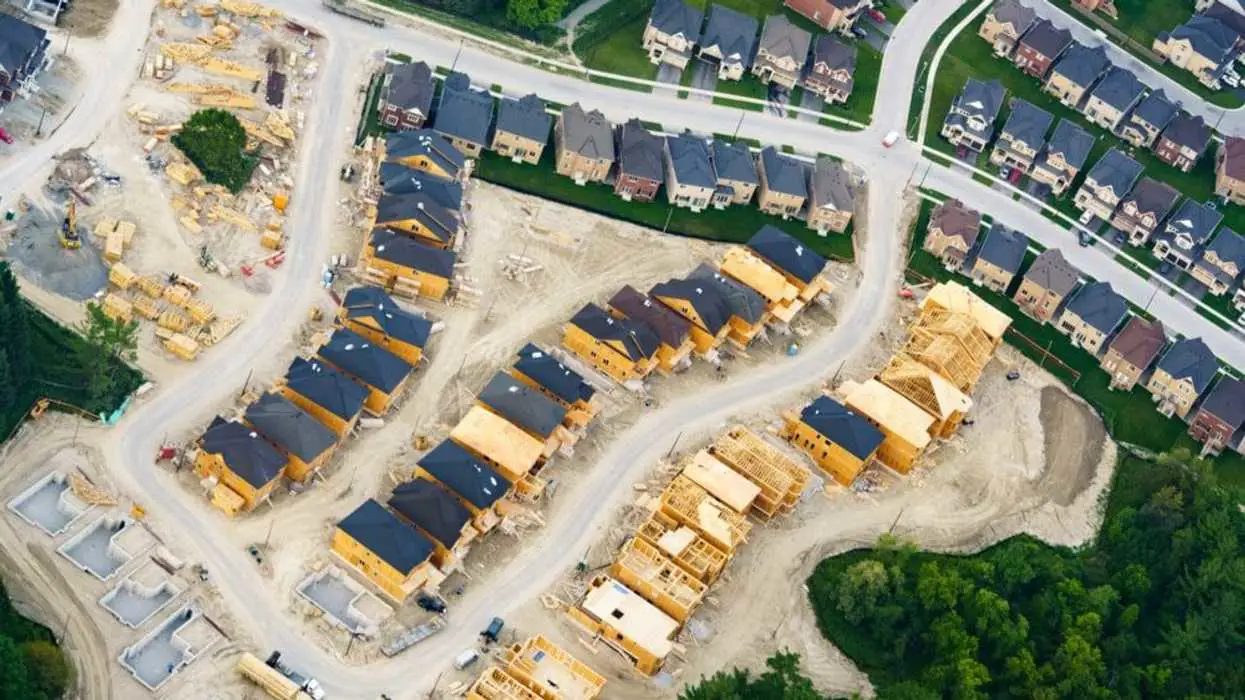
As builders contend with the pressures of a declining resale market, the implications for new housing projects are becoming increasingly complex. Recent statistics indicate a drop in national benchmark prices and housing starts, prompting concerns about future construction viability and affordability.
In the evolving landscape of Canada’s housing market, builders are tasked with selling new homes amidst an increasingly competitive resale market. The challenge is evident as existing homes see a decline in prices, creating a tighter margin for new projects to cover their costs. Recent data from the Canadian Real Estate Association (CREA) illustrates this trend, with national benchmark prices down 3% compared to the previous year. Furthermore, sales have decreased by 6.9% year-over-year, while new listings rose by 3.3% from July, adjusted for seasonal variations. This shift has granted buyers greater negotiating power, as they face less competition from a growing pool of potential purchasers.However, the long-term implications of this scenario are concerning for builders. If anticipated selling prices continue to drop, many new projects may become unprofitable, leading to delays or cancellations. The Canada Mortgage and Housing Corporation (CMHC) has revised its forecasts, predicting a continued decline in housing starts through 2028, citing factors such as weak demand, high costs, and elevated inventories. In its latest Housing Supply Report, CMHC warns that a slowdown in construction could jeopardize recent improvements in housing affordability.
The construction data already reflects these challenges. In July, housing starts were recorded at a seasonally adjusted annual rate of 229,074, which represents a 5% decrease from June. Actual starts in municipalities with populations of at least 10,000 fell by 19% compared to July 2025. It is important to note that a construction start indicates the beginning of work on a project, rather than the completion of new homes. As a result, while the number of new projects entering the market declines, ongoing projects can still contribute to the housing supply, leading to an increase in resale inventory even as future additions to the housing stock diminish.
The type of housing being constructed is also critical. A national total of housing starts can mask a retreat from homes intended for purchase, as purpose-built rental and ownership properties cater to different markets and have distinct financing structures and revenue expectations. Over time, rental construction has gained traction, while the starts for ownership and condominium properties have shown less responsiveness to market demands. CMHC has specifically noted that ownership construction remains notably weak in major urban centers like Montreal and Ottawa, despite ongoing rental developments. In contrast, cities like Calgary and Edmonton have experienced a more robust response to ownership demand.
This divergence in construction trends is significant and should influence national discussions about housing policy. While adding rental apartments can enhance options for renters and help stabilize rental prices, it does not necessarily equate to an increase in the availability of homes for purchase. Historical data indicates that ownership construction is particularly sluggish in several regions, with Montreal and Ottawa seeing declines, while Vancouver's condominium starts have hit a decade-low.
The affordability landscape is also shifting. Ontario and parts of British Columbia have seen the most substantial price declines, but this weakness is beginning to spread to other regions. For instance, Greater Moncton’s benchmark remains 4.8% higher than last year, yet is down 2.9% from three months prior. Although New Brunswick has recorded a 6.2% annual increase, it also faced a 1.2% drop over the last three months. Meanwhile, Winnipeg's prices have edged down recently, and Prince Edward Island has shown declines in both timeframes.
Nationally, the average sale price has increased by 0.6% to $668,219, even as benchmark prices have fallen by 3%. These figures highlight the complexities of the housing market, where an increase in average sale prices can occur despite declines in comparable property values. Notably, Regina and Saskatoon have seen slight increases in their benchmarks, yet the broader trend reveals that the gap in purchase prices remains significant across provinces, with British Columbia averaging around $926,000 compared to $369,000 in Saskatchewan and $349,000 in New Brunswick.
As the fall market approaches, various economic pressures threaten to compound the challenges facing the housing sector. Rising oil prices can increase household expenses and construction costs, while elevated bond yields may drive up mortgage rates and development financing. The Bank of Canada's recent statements underscore the risks associated with high energy prices and their potential inflationary impact.
Currently, CREA reports just under 200,000 properties available for sale, reflecting a 1.4% annual increase. However, sales across all ten provinces have declined compared to the previous year, indicating a broader trend of slowing activity. In Newfoundland and Labrador, residential sales fell by 7.1% in August, despite a benchmark still showing a 6.8% increase. As buyers gain leverage in negotiations, the preservation of recent affordability improvements hinges on the ability of new homes to be developed at prices within reach of households. If the only feasible path for builders relies on a rebound in resale prices, the current improvements in affordability could be at risk, underscoring the need for cost adjustments in housing development to align with what buyers can afford.
🏷️
economic impact
real estate
housing starts
construction industry
resale market
rental housing
housing market
Affordability
ownership construction
Canada
Next Article →
Canadian Home Sales Experience Slight Decline in August Amid Economic Uncertainty5 days ago