Federal Government Adjusts Home Construction Targets Amid Housing Affordability Concerns
📅 Today
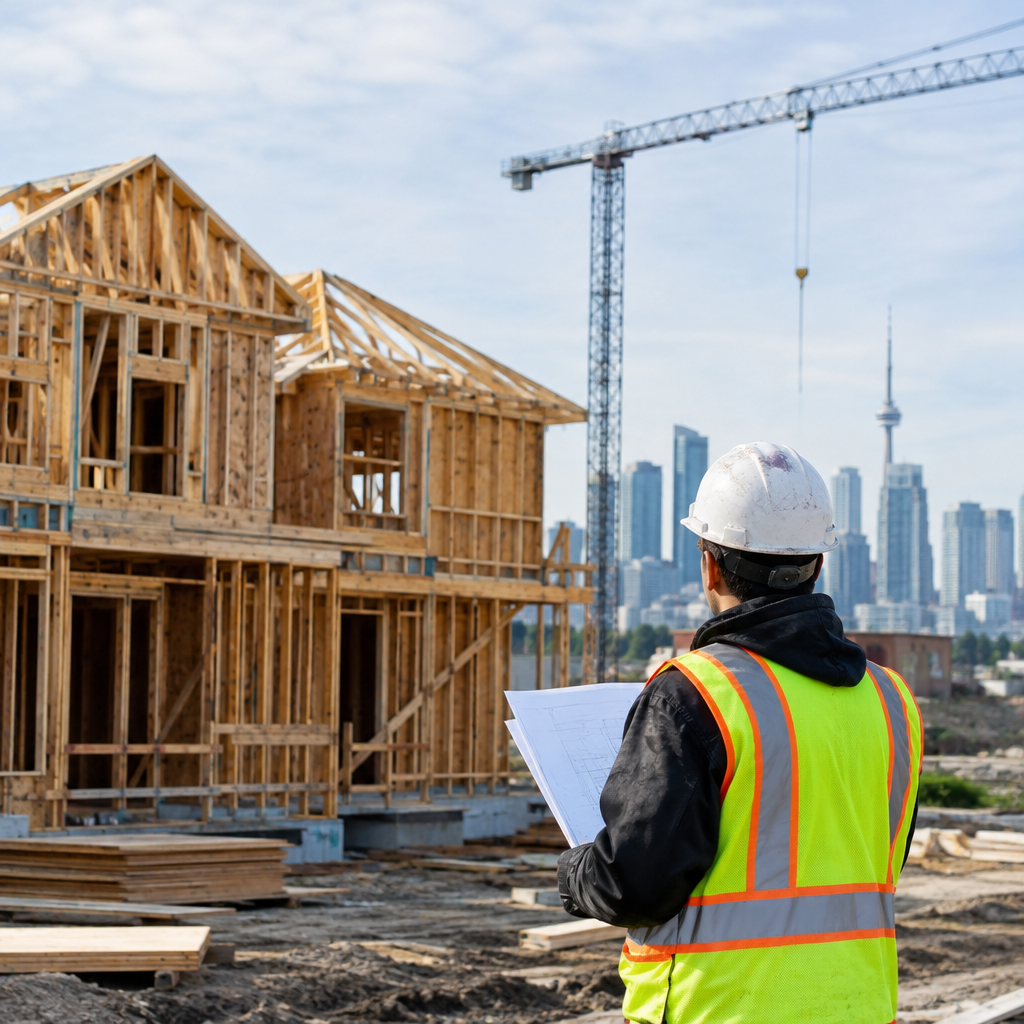
The Canadian federal government has revised its home construction targets, moving from a goal of doubling overall home building to a focus on increasing non-market housing starts, raising questions about affordability and the effectiveness of current policies.
OTTAWA – The office of the federal housing minister has reiterated the government’s objective to double the speed of home construction, despite the absence of any mention of this goal in the recently released Budget 2026. This budget, which was introduced last week, notably omitted reference to the original target that was a cornerstone of the Liberals' 2025 election campaign and had been highlighted multiple times in the previous year's budget discussions. Instead, the lengthy 511-page document unveiled a new initiative aimed at tripling the annual rate of non-market housing construction to 24,000 starts per year over the next decade.Non-market housing typically offers more affordable options and relies heavily on government backing for development, yet these units represent only a minor fraction of the total housing stock produced annually. In response to inquiries from The Canadian Press regarding whether the government was abandoning its goal of doubling overall home construction, Minister Gregor Robertson's office pointed to a statement made six months prior in May. This statement confirmed that the government continues to work toward the objective of doubling homebuilding over the next ten years.
This clarification came after The Canadian Press had questioned Robertson’s office about the government's commitment to this target, particularly as the April spring economic update similarly lacked explicit references to it. Parliamentary Budget Officer Annette Ryan had previously noted that while the government’s fiscal update contained extensive discussions about affordability initiatives, it failed to present specific targets or metrics regarding the pace of home construction.
The issue of housing affordability has become increasingly pressing since the COVID-19 pandemic, which triggered rapid increases in rents and home prices, effectively sidelining many young Canadians aspiring to own homes. In a recent statement, Robertson’s office highlighted that national housing starts have surged more than 20 percent compared to the pre-pandemic era, with rental construction reaching record levels and rents trending downwards in recent years.
Critics, such as Conservative housing spokesperson MP Scott Aitchison, have accused the Liberal government of quietly abandoning its promise to double home construction, substituting it instead with a less ambitious non-market housing target. Aitchison characterized this shift as another instance of what he termed a Liberal housing illusion, asserting that merely tripling a slow rate of construction would not restore affordability for Canadians, who are in need of homes within their financial reach.
The Canada Mortgage and Housing Corporation (CMHC) reported in its fall housing supply report that Canada is transitioning into a new phase characterized by a slowdown in population growth, which is contributing to a more balanced rental market. However, the CMHC cautioned that the current rate of housing starts remains significantly below the levels required to restore pre-pandemic affordability within the next decade. Its forecasts suggest that Canada would need to initiate 231,000 homes annually to avoid a shortfall of up to 238,000 homes by 2036, emphasizing the urgency of increasing housing supply ahead of anticipated future demand surges.
Mike Moffatt, the founding director of the Missing Middle Institute, expressed skepticism about the feasibility of the original goal to double home building levels, noting it would necessitate raising annual housing starts to 500,000, a figure that Canada has yet to approach, with past peaks around 300,000. Moffatt also pointed out that the target may be overly ambitious, given that government control over population growth significantly influences the actual supply needed for the market. He argued that the headline target fails to address the specific types of housing required to meet the needs of Canadians.
Since Prime Minister Mark Carney took office in March 2025, the federal Liberals have implemented various policy changes aimed at stimulating housing development, including waiving the GST on many newly constructed homes, creating new funds for local infrastructure, and establishing Build Canada Homes, a new Crown corporation tasked with addressing years of stagnation in non-market housing construction. Budget 2026 proposed an additional $13 billion over the next decade for Build Canada Homes and committed tens of billions to efforts aimed at eradicating homelessness across the country.
Andy Yan, director of the City Program at Simon Fraser University, echoed Moffatt’s sentiment regarding the original home building target, describing it as more aspirational than realistic. Yan emphasized the importance of having the capacity to meet such targets, highlighting that while programs like the Housing Accelerator Fund and the Apartment Construction Loan Program have been somewhat effective in boosting rental construction, many barriers to building are rooted at the municipal level and are not directly under federal control. He noted that rising costs for building materials, influenced by U.S. tariffs, along with a soft labor market, are dampening demand for new homes. Additionally, interest rates, a crucial factor for developers considering new projects, are determined independently by the Bank of Canada. The central bank recently implemented its first rate increase in over three years, suggesting that more hikes could follow.
Moffatt cautioned that many of the challenges hindering broader construction also apply to social housing initiatives. "There’s no non-market drywall, right? There’s no non-market lumber, there’s no non-market electrician," he remarked. He concluded that while a target for non-market social housing is more manageable for the government, it is by no means guaranteed to succeed.
🏷️
urban development
Canada Mortgage and Housing Corp
home construction
federal budget
non-market housing
construction trends
housing policy
Build Canada Homes
government initiatives
housing affordability
Next Article →
Environmental Group Warns Pension Funds Against LNG Investments Amid Legal RisksToday
Related Posts