Ottawa’s Budget Framework Faces Scrutiny from Fiscal Watchdog
📅 Today
The Parliamentary Budget Officer's report critiques the Liberal government's inconsistent definitions of spending categories in the new budget framework.
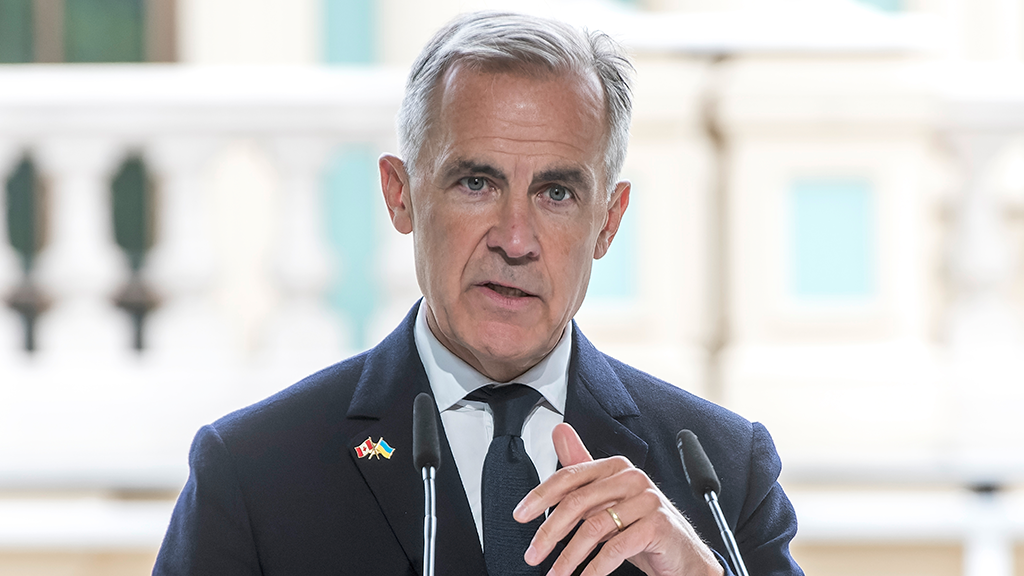
OTTAWA — A recent report from Ottawa’s fiscal watchdog has raised concerns regarding the Liberal government’s definitions of spending categories outlined in its new budget framework. Introduced by Prime Minister Mark Carney, this framework distinguishes between day-to-day operating expenses and initiatives aimed at stimulating capital investment. The report, released by the office of Parliamentary Budget Officer Annette Ryan, seeks to assess Ottawa's strategy for achieving a balanced operating budget, a crucial fiscal target established by the Carney administration.The report indicates that while the government has made strides towards enhancing fiscal transparency—particularly in detailing how various tax incentives, loan guarantees, and other measures contribute to meeting its fiscal goals—there are significant inconsistencies in the classification of spending. The PBO argues that the definitions employed by Ottawa are less stringent compared to those applied in other jurisdictions with similar frameworks, such as the United Kingdom and Singapore.
One specific example highlighted by the report involves two programs under Agriculture and Agri-Food Canada. Both the Agricultural Clean Technology and Agricultural Climate Solutions programs aim to incentivize farms to adopt technologies that mitigate greenhouse gas emissions. However, only the Agricultural Clean Technology program is categorized as capital spending under the current framework, leading to questions about the rationale behind such classifications.
The PBO notes a broader trend of spending programs that could fit into either the operating or capital categories, which complicates the assessment of how future spending decisions will be categorized. The report emphasizes that the lack of a “consistent, published rationale” for these classifications makes it challenging to predict the government’s fiscal trajectory.
“Classification-based fiscal rules, such as the operating budget fiscal anchor, do not inherently limit the government’s total borrowing,” the report states, warning that the definitions of spending categories could be arbitrary or subject to change over time. Carney mentioned last week that the federal government is on course to balance its operating budget by fiscal 2027-28, a year ahead of the initial commitment. However, the PBO projects that Ottawa will likely achieve this goal a year later, in fiscal 2029-30, based on federal data available from the spring economic update and excluding any announcements or revenue adjustments made during the summer.
John Fragos, a spokesperson for Finance Minister François-Philippe Champagne, reaffirmed the government’s commitment to balancing the operating budget a year earlier than planned. He emphasized that a consistent focus on fiscal prudence, discipline, and efficient spending has led to an expedited timeline for achieving this goal, despite the report’s contrasting assertions. Fragos pointed to the government’s $60 billion in savings as a foundation for this accelerated fiscal agenda, arguing that prioritizing the reduction of operating expenditures serves as a more stringent oversight mechanism for federal finances than metrics like the debt-to-GDP ratio.
The PBO further indicates that the anticipated deficit for the fiscal year 2028-29 is relatively minor. However, it underscores that the Liberal government’s subjective definitions of capital and operating spending could significantly impact its ability to meet fiscal targets. The report suggests that classifying even a small amount of spending as capital rather than operating, without any substantive changes to fiscal policy, might have been relevant for balancing the initial operating budget targets.
🏷️
capital investment
transparency
Canada
budget framework
operating expenses
agriculture programs
government spending
deficit
fiscal policy
economic update
Next Article →
Thompson Rivers University Expands Skilled-Trades Training with Over 800 New SeatsToday