
Toronto and Vancouver Face Housing Supply Challenges as Developers Break Ground on New Projects
📅 5 days ago
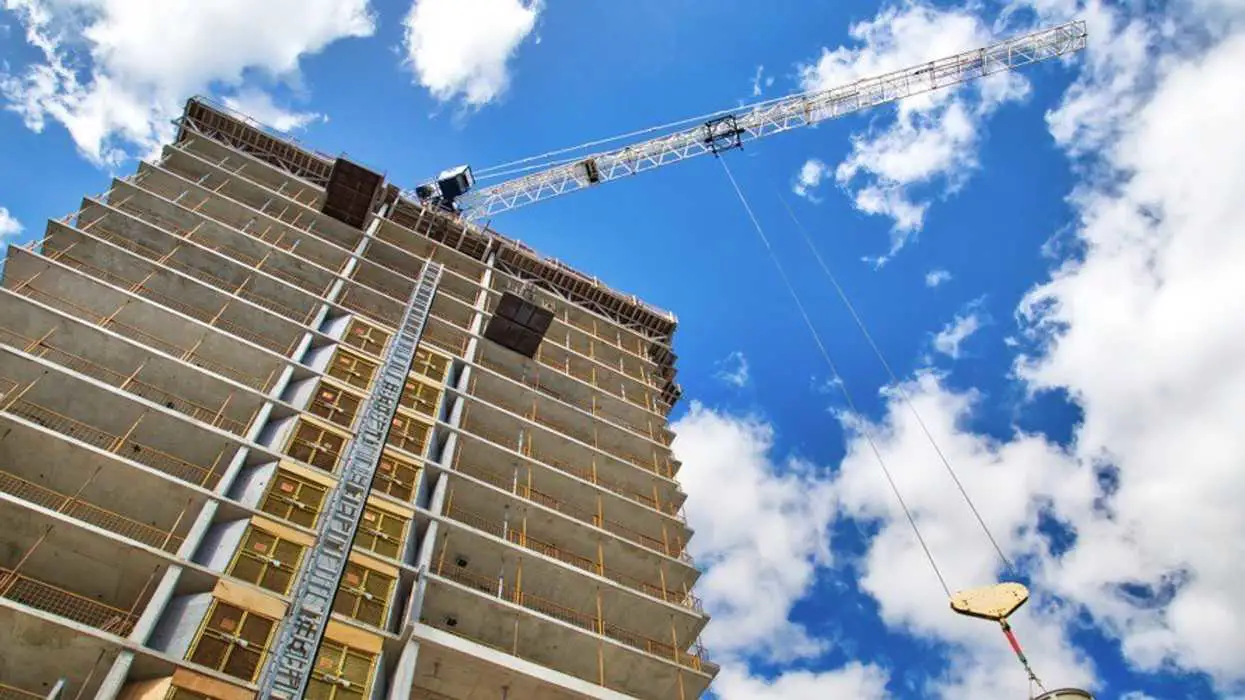
Developers in Toronto and Vancouver are grappling with significant housing supply challenges, as detailed in CMHC's Fall 2026 Housing Supply Report. The report highlights a national housing shortfall and varying regional dynamics affecting the construction pace and affordability.
In Toronto, construction has commenced on 156 new condominium units, according to the latest Fall 2026 Housing Supply Report by the Canada Mortgage and Housing Corporation (CMHC). This initiative occurs in the first half of 2026, amidst a broader national context where the average annual housing shortfall is projected to be between 187,000 and 238,000 homes over the next ten years. The report underscores a significant disparity between the current construction rate and the estimated need of 417,000 to 469,000 homes annually, a requirement aimed at restoring housing affordability to 2019 levels by the year 2036. This national shortfall figure remains largely unchanged from CMHC's previous estimates in 2025.Regionally, the landscape presents a mixed picture: while the housing gap has decreased in Toronto and Calgary, it has remained stable in Vancouver and has widened in Ottawa and Montréal. Notably, the report indicates that purpose-built rental apartments now constitute two-thirds of all apartment starts in key Canadian markets. CMHC has emphasized that Toronto must significantly ramp up its housing starts by at least 50% over the next decade, necessitating the construction of an additional 21,000 to 26,000 homes annually to return to the affordability levels seen in 2019.
The report reveals concerning trends in population-adjusted housing starts, which in the first half of 2026 were recorded as the lowest since 1996, barring the previous year. A troubling statistic is the 50% reduction in the backlog of permitted units awaiting construction compared to the peak observed in 2023. Furthermore, the launch of new condominium projects has mostly stalled, alongside record lows for ground-oriented freehold starts, indicating a two-decade decline.
In contrast, rental apartment starts have surged by 82% in the first half of 2026 compared to 2025, marking a significant shift as they outpace condominium starts for the first time since 1994, with only 156 condominium units commencing construction.
Looking to Vancouver, the housing supply gap has remained stable thus far in 2026. Factors such as softer resale prices and stronger-than-anticipated construction have contributed to this steadiness, although projected population growth and a slower pace of housing starts pose challenges. Rental apartments have increasingly dominated the housing starts landscape in Vancouver, now representing about 60% of total starts, a sharp increase from less than 20% a decade ago. In 2026, rental starts have risen by 36% compared to the previous year, while condominium starts have experienced a decline of 40%, marking the weakest first half for condo construction since 2011. A notable accumulation of unsold inventory in areas such as Surrey, the City of Vancouver, and Burnaby has been observed.
CMHC's analysis indicates that Vancouver's current pace of new starts falls short by approximately 5,000 to 7,000 units of what is required to restore pre-pandemic affordability levels by 2036. This gap highlights the ongoing challenges faced by the housing market in urban centers across Canada, where the demand for affordable housing continues to outstrip supply.
🏷️
condominium
construction trends
housing affordability
Toronto
CMHC
Vancouver
real estate
urban development
housing supply
rental apartments
Next Article →
New Electrical Substations Planned for Downtown Vancouver to Replace Aging Infrastructure5 days ago