Toronto Expands Winter Services Plan to Address Homelessness Crisis
📅 Today
🏷️ City of Toronto Municipality

The City of Toronto is enhancing its Winter Services Plan, increasing shelter capacity and outreach efforts to support individuals experiencing homelessness during the winter months.
Starting from Sunday, November 15, 2026, and continuing until Thursday, April 15, 2027, the City of Toronto is allocating additional resources to assist individuals experiencing homelessness. This year's initiative aims to provide immediate relief by expanding the existing shelter system's capacity, activating Warming Centres, and extending the operating hours of several daytime drop-in centers. The City is committed to safeguarding its vulnerable residents by bolstering street outreach efforts and establishing surge capacity during extreme cold weather alerts, ensuring that individuals are connected to appropriate shelter, housing, and support services.Toronto is currently facing a homelessness emergency, exacerbated by factors such as rising housing costs, inadequate income support, and unmet health care needs. In response, the City is focused on constructing more housing and long-term shelter options while simultaneously offering emergency assistance through its annual Winter Services Plan for People Experiencing Homelessness.
This year’s plan includes the opening of up to 1,533 additional shelter and housing spaces, representing an 18 percent increase compared to the previous year. The initiative emphasizes both emergency response measures and the transition of more individuals into permanent housing. Specifically, the plan encompasses:
- Up to 588 permanent supportive and subsidized housing units.
- Approximately 505 new shelter spaces and 24-hour winter respite site spaces.
- 254 Warming Centre spaces activated at five locations when temperatures drop to -5 degrees Celsius or during winter weather advisories.
- Around 186 surge capacity spaces that will be available during extreme cold when temperatures reach -15 degrees Celsius.
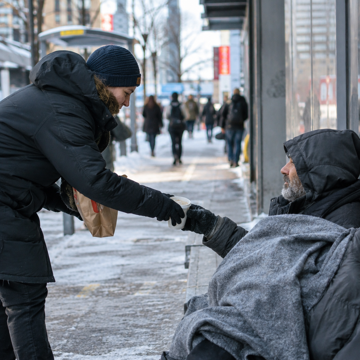
The City will also continuously evaluate and improve its homelessness support services throughout the winter season, adapting to the needs identified by frontline staff. Additional street outreach teams will be deployed during periods of extreme cold to encourage individuals to seek shelter indoors. Regular outreach efforts will provide essential services, including warm clothing, sleeping bags, and other supplies necessary for cold weather survival.
Operating hours at several daytime drop-in programs will be extended, resulting in an additional 252 hours of service each week. These programs offer vital services such as food, healthcare, showers, laundry facilities, and recreational activities.
Homelessness in Toronto has shown a downward trend, according to data from the 2024 Street Needs Assessment. Currently, the City accommodates nearly 7,000 individuals each night, a reduction from 9,000 the previous year. The number of encampments has also decreased by approximately 67 percent, from over 353 in October 2025 to about 118 in October 2026. Since January 1, 2026, the Streets to Homes program has facilitated 461 shelter referrals from encampment locations, and more than 4,158 individuals have transitioned from the shelter system to permanent housing over the past year.
A recent report by the Financial Accountability Office of Ontario indicates that while homelessness across Ontario has risen by 17.9 percent from 2022 to 2025, Toronto has experienced an 8.2 percent decrease in homelessness. Although the Winter Services Plan provides crucial emergency spaces during harsh winter conditions, efforts are also underway to stabilize the shelter system through the development of 1,600 long-term shelter spaces as part of the City’s Homelessness Services Capital Infrastructure Strategy.
However, without consistent funding agreements among all three levels of government, the progress made could be jeopardized. The City remains committed to maximizing its resources to assist as many individuals as possible and is actively advocating for equitable agreements that adequately support shelter and housing for vulnerable populations throughout Toronto.
Toronto, with a population exceeding three million, is recognized for its diversity and dynamic experiences, establishing itself as Canada’s leading economic engine and one of the most diverse and livable cities globally. As the fourth-largest city in North America, it is a global leader in various sectors, including technology, finance, film, music, culture, innovation, and climate action, consistently ranking high in international assessments due to the contributions of its government, residents, and business community.
🏷️
emergency services
community services
outreach
cold weather
housing
supportive housing
Winter Services Plan
shelter
homelessness
Toronto