
New Tariffs by Trump Could Impact 5% of Canadian Exports
📅 3 months ago
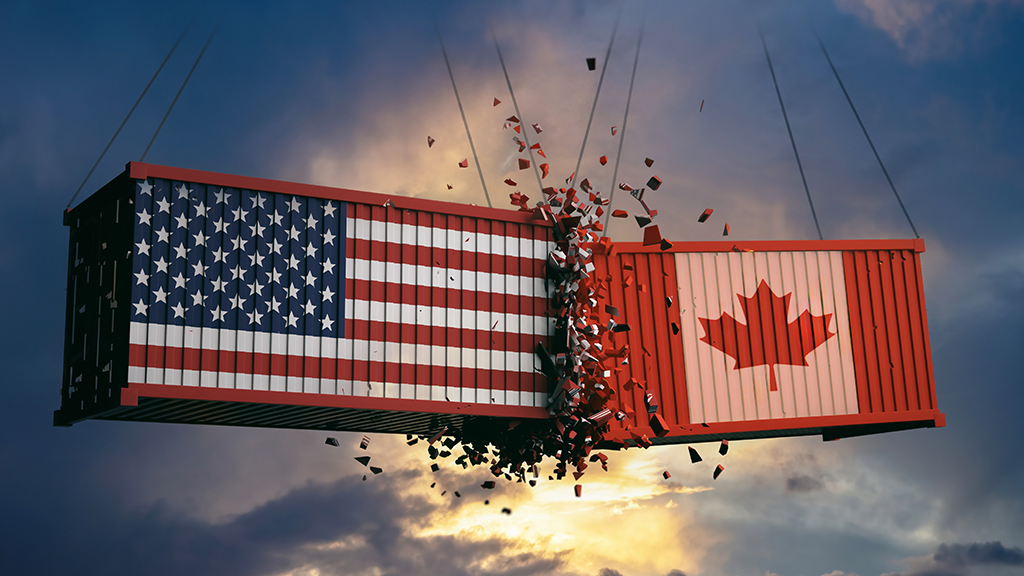
U.S. President Donald Trump's recent tariffs may affect a significant portion of Canadian exports, particularly in specific sectors, raising concerns among economists.
OTTAWA — Economists are analyzing the implications of U.S. President Donald Trump’s recent executive orders that introduce a series of tariffs expected to target approximately five percent of Canada’s exports to the United States. Signed on Monday, these orders impose a substantial 50 percent tariff on various goods, including honey, hockey sticks, and notably, cement. This decision comes without exemptions under the North American Free Trade Agreement (NAFTA), raising concerns about the broader economic impact.BMO’s senior economist, Robert Kavcic, highlighted in a communication to clients that the proposed tariffs would encompass around $28 billion worth of Canadian exports annually to the U.S. While he notes that this figure is manageable for the overall economy, he warns that certain specific industries and businesses are likely to experience severe repercussions if these tariffs are implemented as scheduled on August 19.
CIBC’s deputy chief economist, Benjamin Tal, echoed this sentiment in his analysis, suggesting that the new tariffs represent a sector-specific issue rather than an overarching threat to the economy as a whole. This nuanced perspective indicates that while the tariffs may affect a portion of the export market, the overall economic landscape may remain stable.
The justification for these tariffs from the Trump administration includes criticisms of Canada’s supply-managed dairy sector, restrictions on U.S. alcohol imports at the provincial level, and quotas affecting the American automotive industry. These factors collectively contribute to the rationale behind the imposed tariffs and signal a continued tension in U.S.-Canada trade relations.
As the August deadline approaches, businesses and stakeholders within the affected sectors are bracing for potential disruptions. The construction sector, particularly those reliant on imported materials like cement, may face increased costs and supply chain challenges. This development underscores the interconnectedness of trade policies and their direct implications on specific industries within the Canadian economy.
In summary, while the tariffs may only cover a fraction of Canada’s overall exports, the concentrated impact on targeted sectors raises significant concerns about future trade dynamics and economic stability in the region. Stakeholders will need to closely monitor these developments as further details emerge and the implementation date approaches.
🏷️
honey
export
Canada
economy
tariffs
hockey sticks
Construction
United States
cement
trade relations
Next Article →
Toronto Pearson Airport Announces Major Revitalization Program Contracts3 months ago