Alberta Landowners Challenge Energy Regulator Over Orphan Well Cleanup Funding
📅 Today
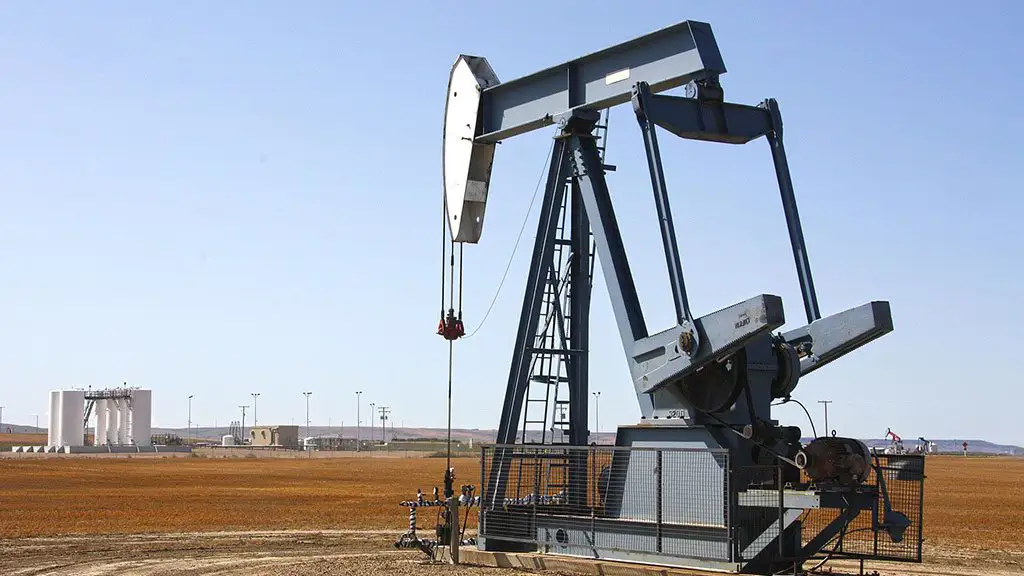
Alberta landowners are taking legal action against the provincial energy regulator for alleged underfunding of orphan well cleanups, highlighting environmental and financial concerns.
CALGARY, ALTA. — A group of landowners in Alberta is pursuing legal action against the provincial energy regulator, claiming its failure to adequately fund the cleanup of orphaned oil and gas sites leaves them at risk. The lawsuit, represented by lawyers from the environmental law charity Ecojustice, features landowners Dwight Popowich and Teresa Patry, as well as organizations such as the Polluter Pay Federation and the Alberta Surface Rights Federation. They are challenging the Alberta Energy Regulator (AER) in a judicial review application filed in the Court of King’s Bench, alleging the regulator’s chronic underfunding of the Orphan Well Levy.Orphan wells are defined by the AER as oil and gas wells that have become the responsibility of no company due to insolvency or inability to meet closure obligations. The cleanup of these sites is managed by the Orphan Well Association, a non-profit organization funded through fees levied on the industry, with the AER recommending the levy amount to the Alberta government annually. For the fiscal year 2026-27, the Orphan Well Levy is set at $154.56 million, a rise from the previous year’s $144.45 million, while the total estimated cleanup costs for the orphan wells in the inventory stand at a staggering $1.66 billion.
The lawsuit highlights the significant risks associated with orphan wells, which can leak harmful contaminants into the environment, potentially jeopardizing the health of Albertans and causing irreversible ecological damage. The plaintiffs argue that orphan wells also negatively impact property values and land use, and they create substantial unpaid liabilities for municipalities and landowners. “Oil and gas corporations with closure liabilities that exceed the value of their remaining assets often do not pay their bills, causing economic damage — and taxpayer funds are used to cover these shortfalls,” the court documents state.
The application claims that the AER has violated the Oil and Gas Conservation Act, which mandates that it alone is responsible for determining the levy amount, ensuring it is sufficient to cover current and previous fiscal costs related to orphan wells. Furthermore, it alleges that the regulator has improperly delegated its responsibilities to the political executive in Alberta, allowing for undue industry influence in the process. The plaintiffs are requesting the court to declare the 2026-27 levy “unreasonable” and to mandate a recalculation.
Current statistics from the Orphan Well Association reveal an inventory of 7,370 wells that require decommissioning, which includes permanently dismantling equipment to ensure site safety. Additionally, 9,151 wells are in need of reclamation, aimed at restoring the land to its original condition. The average costs for decommissioning a well in the 2025-26 fiscal year were reported at $28,800, while reclamation costs averaged $27,700.
Popowich, who has been dealing with an inactive well on his property in Two Hills, Alta., described his experience of having the well designated as an orphan in 2025 after eight years of effort. He was informed by the Orphan Well Association that the reclamation process would take between 10 to 12 years. At a recent news conference, he expressed frustration over the lack of action, stating, “This isn’t complicated. Even my grandkids know that if you make a mess, you clean it up.” He emphasized that landowners have upheld their end of the bargain, supporting resource development in exchange for the promise of cleanup once production ceased.
Patry, residing near Vermilion, Alta., echoed concerns about the broader implications of orphan wells on her family’s health and future. She highlighted the uncertainty and stress associated with living near these sites, including unexplained health issues and worries about their livestock.
The claims presented by the complainants have yet to be adjudicated in court. The AER has refrained from commenting on the legal challenge but has issued a statement noting the recent increase in the annual levy by seven percent, aimed at providing additional funding for the Orphan Well Association to manage the growing number of orphaned sites in Alberta. Ecojustice lawyer Susanne Calabrese likened the situation to paying down a mortgage while the number of orphan wells continues to rise, stating, “It’s like you’re paying interest-only payments on a mortgage and your house is doubling in size and you’re buying 10 more houses.”
🏷️
Alberta
orphan wells
regulatory challenge
AER
environment
landowners
cleanup
Ecojustice
Polluter Pay Federation
oil and gas
Related Posts