B.C. Construction Industry Calls for Stability Ahead of Snap Election
📅 Today
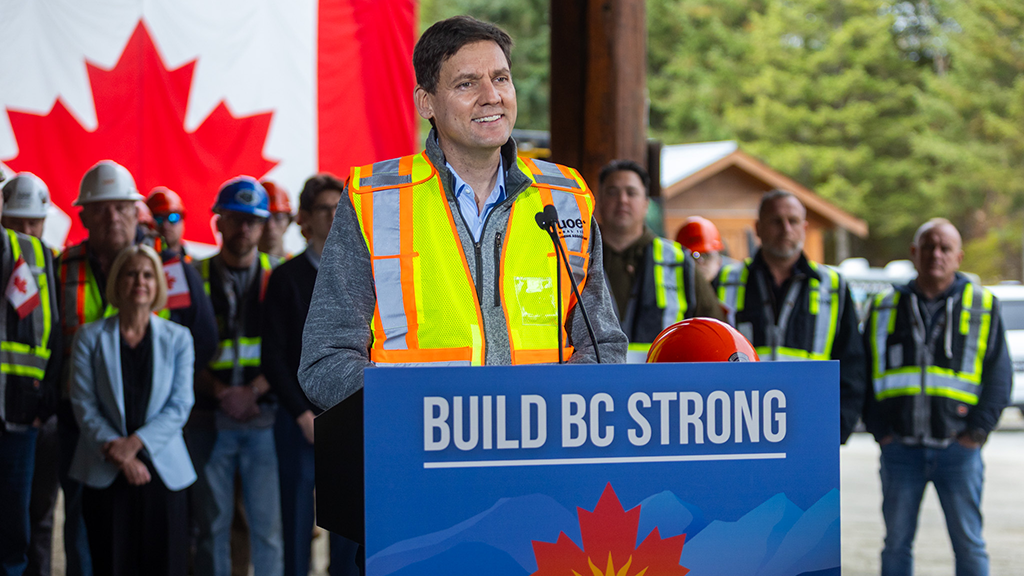
As British Columbia prepares for a snap election, construction industry leaders urge for a stable fiscal and labor environment. The election, called by Premier David Eby, is set for October 24, 2026. Key industry figures emphasize the necessity for commitment from the new government to ensure ongoing projects and address existing challenges.
British Columbians are gearing up to head to the polls earlier than anticipated, as the province's construction industry leaders express a desire for a more stable fiscal and labor environment following the upcoming election. Premier David Eby announced a snap election on September 22, citing the ongoing trade conflict with the United States as a significant factor for the early vote, which is set for October 24.In the lead-up to the election announcement, the B.C. Conservative leader Kerry-Lynne Findlay stepped down after a wave of 14 MLAs departed from the party, citing her leadership as the reason for their exit. This political upheaval has raised concerns within the construction sector, where industry leaders have articulated their primary demand of the incoming government: a clearer commitment to ongoing projects.
Chris Atchison, president of the British Columbia Construction Association, stated, "It doesn’t matter who wins, but what the industry needs is more commitment from the winning party to actually get to work with industry and deliver on promises that are easy to make during the election period." Atchison emphasized that the sector has been grappling with issues of payment certainty and has seen a significant decline in the inventory of major projects, leading to a challenging environment for construction firms.
Jeanine Martin, president of the Vancouver Regional Construction Association, echoed Atchison's sentiments, noting that the recent revival of major projects could serve as leverage for the government. "Our preference would be seeing these projects separated from politics and have the government realize that consistency in project planning is essential for our industry," Martin remarked.
Dan Baxter, the BC regional director of the Progressive Contractors Association of Canada, pointed out that the snap election complicates planning for construction firms. He remarked that many issues affecting both the industry and the electorate are remnants from the previous election cycle of 2024, with factors such as the provincial deficit of $13 billion and a debt nearing $180 billion being particularly pressing. Baxter suggested that opening up tendering for all public major infrastructure projects could foster competition and improve efficiency within the sector.
Brynn Bourke, executive director of the BC Building Trades, highlighted the continued need for investment in trades training and a commitment to unionized labor. According to Bourke, the aggressive actions from the U.S. have further stressed the province's economy. She posed a critical question: "Are we going to continue to invest in services and expand the province’s capital plan, or do we want to contract and focus on reducing the deficit?"
Matt MacInnis, president of the Electrical Contractors Association of BC, underscored the importance of certainty in procurement and execution from the next government. He stated, "When government commits to a capital plan, we want to see that fully delivered. It is very challenging for the construction industry when you see billions of dollars of work disappear that was previously forecasted."
Jordan Bateman, vice-president of advocacy and communications at the Independent Contractors and Businesses Association of B.C. (ICBA), asserted that the association's stance is clear: there needs to be increased spending in areas that promise economic returns. He emphasized the necessity of investing in natural gas and other resources to bolster the economy and address the substantial deficit left by Premier Eby.
As the election approaches, construction leaders remain hopeful for a government that prioritizes stability and collaboration, addressing the pressing issues that have long plagued the industry while navigating the complexities of the political landscape.
🏷️
fiscal stability
British Columbia
construction planning
project certainty
infrastructure projects
snap election
trade conflict
unionized labor
construction industry
tendering processes
Related Posts