B.C. Premier Eby and Prime Minister Carney Discuss Economic Development and Environmental Concerns
📅 5 months ago
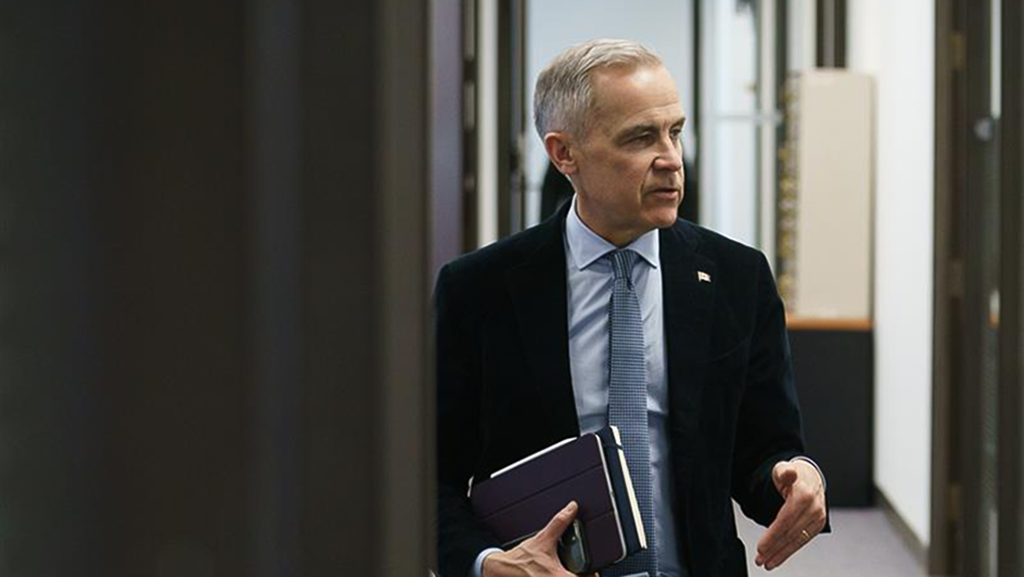
British Columbia Premier David Eby and Prime Minister Mark Carney meet to negotiate B.C.'s economic priorities, emphasizing the need for environmental protection in discussions about potential pipeline projects.
In a significant meeting in Vancouver, British Columbia Premier David Eby and Prime Minister Mark Carney have committed to commencing negotiations focused on addressing the economic priorities of British Columbia. Eby articulated that a key aspect of their partnership involves candid discussions about the balance between economic development and environmental stewardship. A critical topic of conversation was the existing moratorium on oil tanker traffic off the northern coast of British Columbia, a regulation that has been flagged as a potential obstacle to the construction of a new pipeline intended to transport oil from Alberta to the B.C. coast.During a closed-door meeting preceding their public statements, Eby emphasized the importance of honesty in their dialogue, noting that the development of the economy must not come at the expense of the environment. Prime Minister Carney echoed this sentiment, highlighting the necessity of engaging in responsible building practices. He underscored the importance of collaborating with First Nations communities and prioritizing sustainability while keeping the needs of British Columbians at the forefront of any discussions.
Earlier in the day, Carney had outlined specific conditions for the proposed pipeline, which has gained support from Alberta's government but has faced skepticism from Eby. The premier raised concerns about the implications of endorsing what he termed 'separatist behavior' from Alberta, suggesting that the federal government should not incentivize such actions.
Carney addressed the Greater Vancouver Board of Trade, where he reiterated that the proposed pipeline could only advance if it is coupled with the development of the Pathways carbon capture project. He insisted that British Columbians should reap significant economic and financial benefits from the pipeline initiative. Furthermore, he stated that the obligation to consult with First Nations, as mandated by Section 35 of the Constitution Act, is 'non-negotiable.'
As it stands, the pipeline project lacks a defined route or a private proponent, which adds layers of complexity to the discussions. Eby has been vocal about his stance that the federal government should prioritize projects that benefit British Columbia rather than catering solely to Alberta's interests. He articulated on Tuesday that the relationship between provinces must be equitable and that the attention of the federal government should not be disproportionately directed towards 'separatist premiers.' This ongoing dialogue between Eby and Carney signifies a critical juncture in the intersection of economic development and environmental policy in British Columbia.
🏷️
sustainability
environment
Infrastructure
pipeline
economic development
negotiations
oil tanker moratorium
First Nations
carbon capture
British Columbia
← Previous Post
Utility Crews Work to Restore Power Following Severe Thunderstorms in Ontario5 months ago