BC Premier Eby Defends Minister's Opposition to LNG Project Expansion Amid Cabinet Dissent
📅 2 months ago
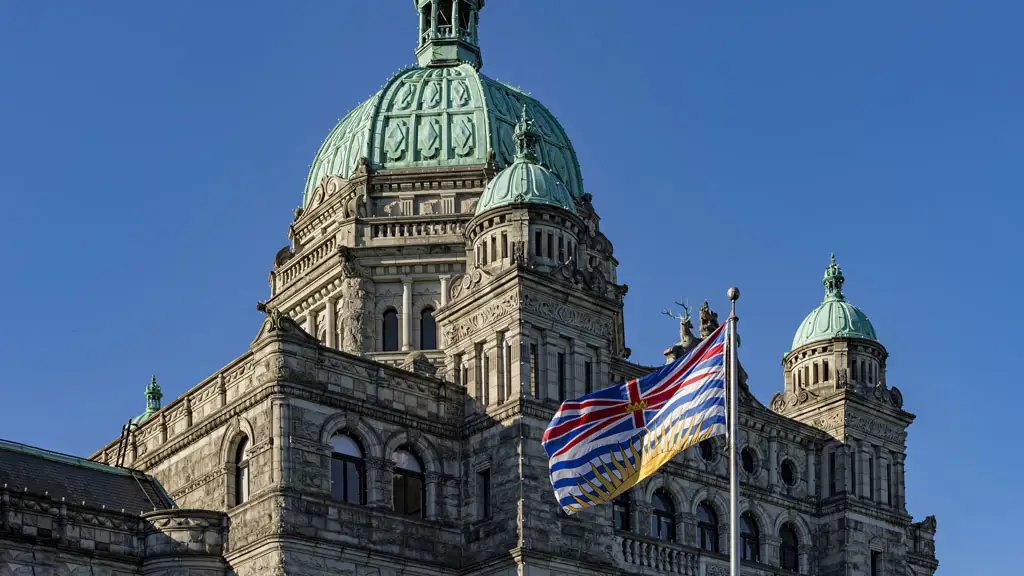
British Columbia Premier David Eby supports Minister Kelly Greene's public criticism of the Tilbury LNG expansion, breaking cabinet solidarity norms amid rising safety concerns and political dissent.
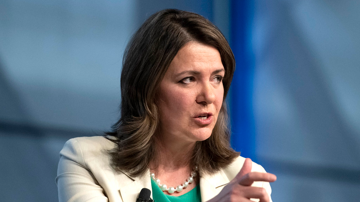
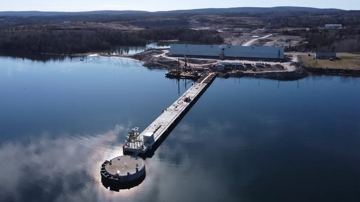
In Victoria, British Columbia, Premier David Eby has openly supported a cabinet minister's public criticism of the expansion plans for a liquefied natural gas (LNG) facility located near her riding, a move that breaks with the long-held tradition of cabinet solidarity. This notion traditionally dictates that elected officials may discuss disagreements privately but must present a united front publicly. Political analysts suggest that this shift may be an effort by Premier Eby to mitigate dissent within his ranks, particularly as his government faces declining approval ratings.Minister Kelly Greene, who oversees emergency management and climate readiness, recently expressed her disappointment regarding FortisBC's decision to advance the next phase of the Tilbury LNG project. Her statement highlighted significant safety concerns raised by constituents in her Richmond-Steveston riding, where the facility is situated. Greene remarked, "For months, I have listened to safety concerns from people in my community. I raised those issues with government at every opportunity. I am disappointed with FortisBC’s decision, as I know many of those I represent will be. My position on this project has remained unchanged since before being elected to the legislature."
At a separate news conference, Eby emphasized the importance of allowing Greene to voice her opposition, stating, "This is an issue that has been important to Kelly Greene as an MLA for her community for a long time. We worked together on her statement, so she was able to continue the advocating, and I supported her ability to do that."
David Black, a political theory professor at Royal Roads University in Greater Victoria, noted that Greene's comments represent a significant departure from the expected cabinet solidarity. He explained that when ministers publicly express views that diverge from the government’s official stance, it signals a breakdown in the expected consensus within the cabinet. Black pointed out that Eby’s recent decisions, including allowing another pipeline project to proceed from Alberta to the West Coast, have contributed to a rising divide within the New Democratic Party (NDP) base.
The context of this disagreement is further complicated by a "prosperity agreement" with the federal government, which includes commitments not to lift the ban on northern oil tankers and to fast-track LNG projects. This has reportedly contributed to a downturn in Eby’s popularity, as critics like Greene advocate for environmental concerns within the party.
Eby defended the economic rationale behind LNG projects, stating, "Having a facility that can deliver LNG fuel to the next generation of ships that’s already on the water is crucial for our port to be able to be successful. It’s as simple as that."
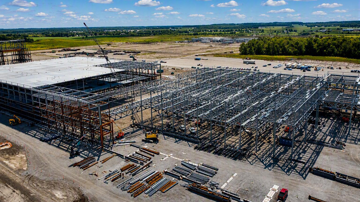
In a significant regulatory move, the province announced an order-in-council waiving the requirement for the Phase 1B Tilbury expansion to obtain a certificate of public convenience and necessity, which is typically mandated under the Utilities Commission Act. Energy Minister Adrian Dix explained that this exemption would expedite the expansion process, facilitating investments and creating approximately 1,100 construction jobs, alongside an estimated $260 million in tax revenue.
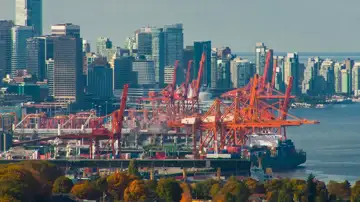
The project is still subject to other regulatory approvals and permitting processes before construction can commence, which is anticipated to begin by the middle of next year, with operations projected to start as early as 2031. This timeline reflects the government’s push to meet the rising demand for LNG at the Port of Vancouver and enhance access for vessels operating along the coast and across the Pacific.
Eby’s leadership is not the only one facing internal challenges. Conservative Leader Kerry-Lynne Findlay is also encountering dissent within her party, as some members resist directives regarding the terminology used to describe Indigenous Peoples. This indicates a broader trend of navigating dissent within political parties in British Columbia, highlighting the complexities leaders face in balancing diverse perspectives within their ranks.
🏷️
FortisBC
energy policy
construction jobs
Tilbury LNG project
British Columbia
cabinet solidarity
regulatory approvals
LNG
environmental concerns
political dissent
← Previous Post
WSP Canada Welcomes New Executive Leadership to Strengthen Transportation and Infrastructure2 months ago
Next Article →
Toronto Introduces Property Tax & Utility Relief Programs for Vulnerable Residents2 months ago