
BuildForce Canada's 10-Year Construction Forecast Reveals $500 Billion in Major Projects
📅 2 months ago
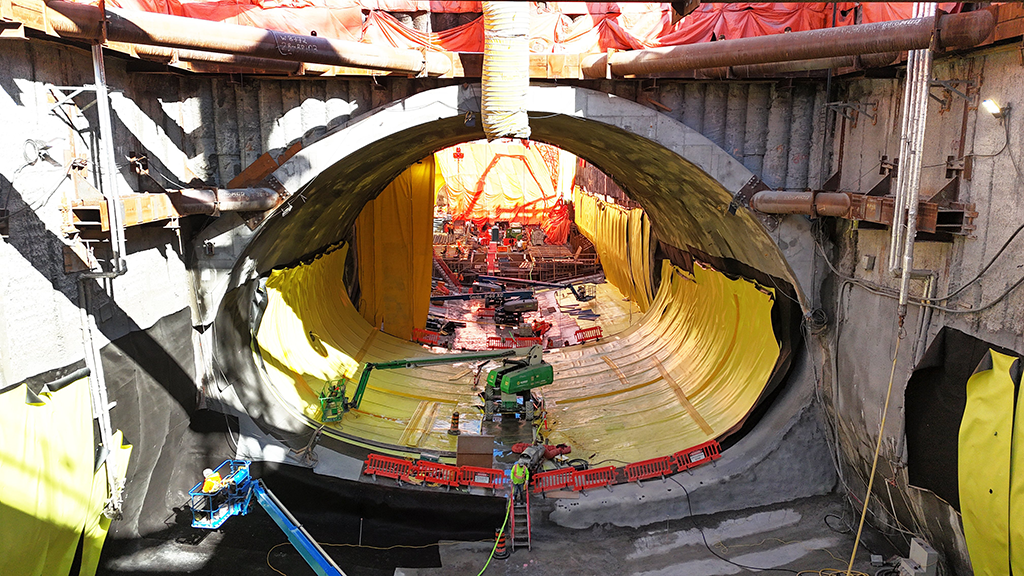
BuildForce Canada's latest report highlights significant shifts in the construction landscape over the next decade, projecting $500 billion in major projects and potential labor shortages.
BuildForce Canada's recent 10-year construction forecast has unveiled a substantial pipeline of 800 major projects, collectively valued at an astonishing $500 billion, set to unfold across the nation in the coming decade. The insights, presented in the Construction and Maintenance Looking Forward report released on July 20, delve into the anticipated fluctuations in construction investment and employment within both residential and non-residential sectors.According to BuildForce, the residential construction sector is expected to experience a decline of four percent in employment by the year 2028. In contrast, investment in industrial, commercial, and institutional (ICI) construction is projected to surge by ten percent over the next ten years. Notably, the construction of roads, highways, and bridges is forecasted to diminish by 17 percent compared to 2025 levels, extending through 2035. Irwin Bess, the executive director of BuildForce, emphasized the significant employment demands anticipated across the non-residential sector leading up to the forecast’s conclusion, particularly as investment peaks are expected in 2029.
"We are also monitoring a lengthy list of additional projects that have yet to reach final investment decisions, which could greatly influence investment and employment growth once they are approved," Bess stated.
The report indicates that residential construction is likely to remain on a downward trend in the initial years of the forecast due to several factors, including elevated interest rates, sluggish population growth, and uncertainty stemming from the ongoing tariff disputes between Canada and the United States. Investment levels are expected to continue their decline until 2028, after which a recovery is anticipated, initially driven by the demand for new housing and, eventually, by steady growth in renovation activities.
On the non-residential front, a modest growth rate of about two percent is projected from 2026 to 2035, with the most substantial increases occurring in the early years, where an approximate eight percent surge is expected to culminate in 2029. This growth trajectory will be largely propelled by a series of major engineering projects, particularly transit expansions in provinces such as Alberta, British Columbia, and various regions of Ontario. Significant investments in water and wastewater infrastructure, along with utility projects, will further contribute to this upward trend. The healthcare and education sectors are also anticipated to drive substantial construction work.
Bess remarked, "It’s crucial to recognize the steady trend in the non-residential sector, which indicates sustained capital investment throughout the forecast period. In certain areas of the country, these large capital projects are helping to mitigate some of the declines observed in residential construction."
The annual BuildForce reports serve as a valuable tool for stakeholders, shedding light on labor force trends and forecasting regional needs for various trades over the decade. In total, the industry is anticipated to require 188,700 workers by 2035, combining the need to replace retiring workers with an additional demand of 49,600 employees. Although approximately 158,300 new entrants under the age of 30 are expected to join the industry during this timeframe, a labor shortage of around 30,400 workers could still emerge by 2035.
Bess has reiterated the importance of focusing on the recruitment and retention of women, Indigenous individuals, and newcomers to Canada to address these gaps. He commented on the need for improved participation rates among women in construction, highlighting that the representation of Indigenous people within the labor force remains low at 4.8 percent, despite showing growth over the years.
"To achieve the level of participation we require, more efforts must be directed toward promoting career opportunities for Indigenous youth," Bess added.
The report also outlines a watch list of projects that have been announced but have not yet reached final investment decisions, including those on the federal Major Projects list and various western oil and gas initiatives. Bess indicated that these projects could have significant labor implications once they are underway.
He pointed out that ongoing developments in the North could create labor pressures and attract workers from other regions, emphasizing the need to tap into talent where it exists, particularly among the growing Indigenous population.
In conclusion, BuildForce noted continued robust growth in Alberta, recognized as Canada’s strongest new-home market over the last two years. Bess warned that the approval of numerous forthcoming projects could result in widespread labor market impacts across the country, particularly regarding the maintenance of facilities in Western Canada, which remains a critical area of focus.
🏷️
BuildForce
residential construction
non-residential construction
employment trends
engineering projects
Diversity in Construction
Infrastructure
construction forecast
major projects
labour market
← Previous Post
BuildForce Canada Reveals Construction Forecast for P.E.I. and Newfoundland and Labrador2 months ago