Canada's First Investment Summit: A Call for Global Capital
📅 4 days ago
Canada's inaugural investment summit brought together leaders to attract global investors, revealing new tax incentives and infrastructure investment plans amid economic challenges.
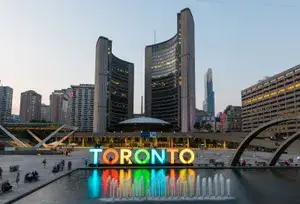
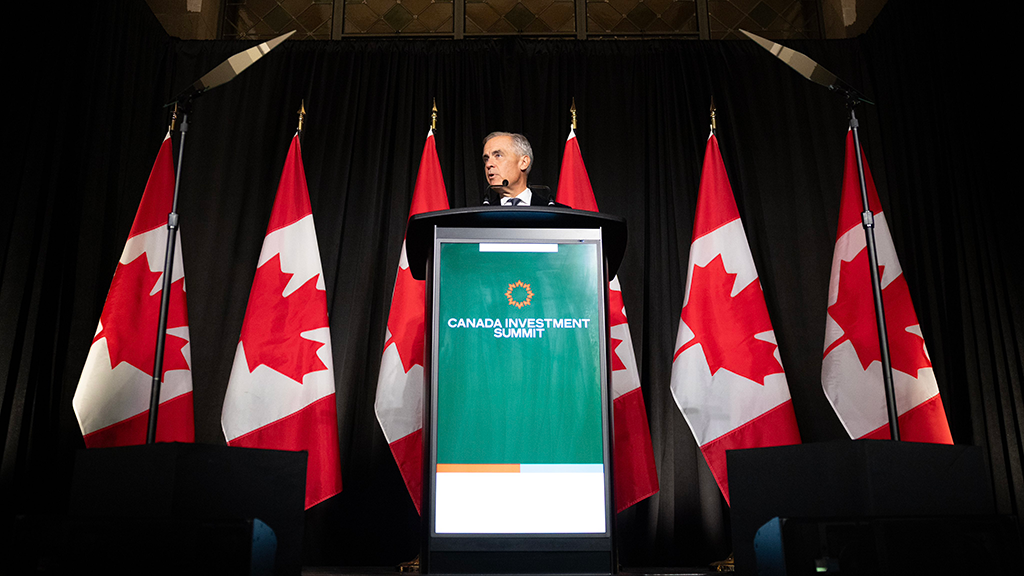
TORONTO — On the concluding day of Canada's first-ever investment summit, a Liberal and a Conservative prime minister each took the stage to appeal to global investors for support in realizing an ambitious capital agenda. Prime Minister Mark Carney dedicated much of the day to enhancing the investment proposition for potential investors, announcing a series of measures that included preferential tax incentives for businesses investing in capital, as well as a proposal to open Canada’s four major airports to private sector investment.The two-day summit held in Toronto gathered hundreds of domestic and international executives managing trillions of dollars in assets, aiming to address both longstanding and emerging concerns regarding Canada’s investment climate. Canadian officials and business leaders sought to counter the country’s image as a challenging environment for earning returns, promoting a message that Canada is "open for business." This mantra echoed throughout various panels, speeches, and press conferences on Tuesday.
Addressing fears stemming from a recent rift with the United States, former Prime Minister Stephen Harper directly confronted U.S. concerns in his closing speech. Speaking as the board chair of the Alberta pension plan’s investment arm, Harper emphasized that Canada’s negotiating team had “no choice” but to walk away from discussions with the United States weeks prior, amidst ongoing tariff disputes. He urged Canada to embrace this disruption, particularly in resource extraction, advocating for the nation to realize its potential as an “energy superpower.” Harper commended the federal government for its recent efforts to speed up project approvals but noted that further action is necessary.
Carney, who opened the day's events with a keynote address, asserted that Canada is “ahead on incentives” compared to the United States in the competition for investment, though he acknowledged the need for further progress. The government introduced a transformative tax reform policy aimed at making immediate expensing of capital investments permanent. This measure allows businesses to deduct the full cost of an investment in its first year, effectively reducing the marginal effective tax rate from 13 percent to 6.4 percent. The U.S. marginal effective tax rate currently stands at 16.9 percent following significant reductions enacted by President Donald Trump.
In response to inquiries about whether this tax change provides only a temporary competitive edge, Carney stated, “The incentive for companies to invest in Canada is twice as high as it is in the United States.” He emphasized that this initiative is aimed at fostering job creation and strengthening the country’s economic resilience and independence. The government estimates the cost of the expanded tax deduction will be approximately $36 billion over five years, while also announcing plans to balance the operating side of its budget by 2027, a year ahead of schedule.
Despite the positive reception from the corporate sector regarding Carney's initiatives to stimulate investment following a prolonged period of stagnation in business capital spending, not all stakeholders are on board with the proposed tax breaks or the notion of privatizing public infrastructure. Some Indigenous leaders, environmental activists, and union representatives voiced concerns about the implications for public services and the future of key industries, including pipelines and arms manufacturing. Protesters outside the summit expressed their fears that the government’s actions signified a “fire sale” of national assets.
Conservative Leader Pierre Poilievre, speaking from Vancouver, acknowledged the significance of the investment summit but insisted on the necessity for tangible results for Canadians. Carney announced plans to introduce legislation in the upcoming fall session of Parliament to extend Ottawa's “one project, one review, one year” framework to include a broader range of infrastructure proposals, maintaining that high standards for projects will not be compromised.
Jon Gray, president of the Blackstone asset management group and a panelist at the summit, remarked that Canada has long been a “sleeping giant” now awakening to its economic independence. He highlighted the urgent need for substantial infrastructure investments to facilitate future growth, suggesting that the potential growth rates in Canada could surpass expectations.
During the summit, several of Canada’s leading banks, insurers, and pension funds seized the opportunity to announce their intentions to invest and finance billions in the coming years. Carney set an ambitious target of attracting $1 trillion in investments over the next five years. However, it remains uncertain whether the summit will sufficiently shift perceptions to increase foreign capital inflows into Canada, as the government, provincial leaders, and private sector representatives pitched numerous projects across various sectors, including energy, critical minerals, artificial intelligence, and defense. Decisions regarding these investments are likely to unfold over the coming months and years.
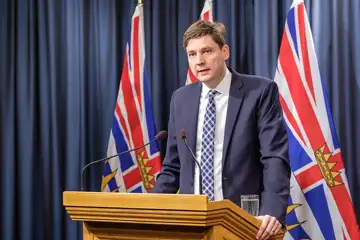
In discussions with reporters, B.C. Premier David Eby suggested that some investors might prefer a new fund for Canadian infrastructure that global asset managers could invest in, rather than engaging on a project-by-project basis. Éric Martel, CEO of Bombardier, noted that while he regularly connects with international investors, bringing them to Canada sends a stronger message about the nation’s capabilities and resources.
🏷️
capital investment
Infrastructure
foreign investment
investment summit
energy superpower
Public-Private Partnerships
tax incentives
Canada
economic independence
Marginal Effective Tax Rate
← Previous Post
UBC's CanopyFit Program Aims to Optimize Urban Tree Planting for Climate Resilience4 days ago
Next Article →
Saskatchewan NDP Calls for Moratorium on Hyperscale AI Data Centre Construction4 days ago