
Federal Government Abandons Plans to Exempt Major Projects from Species at Risk Act
📅 Today
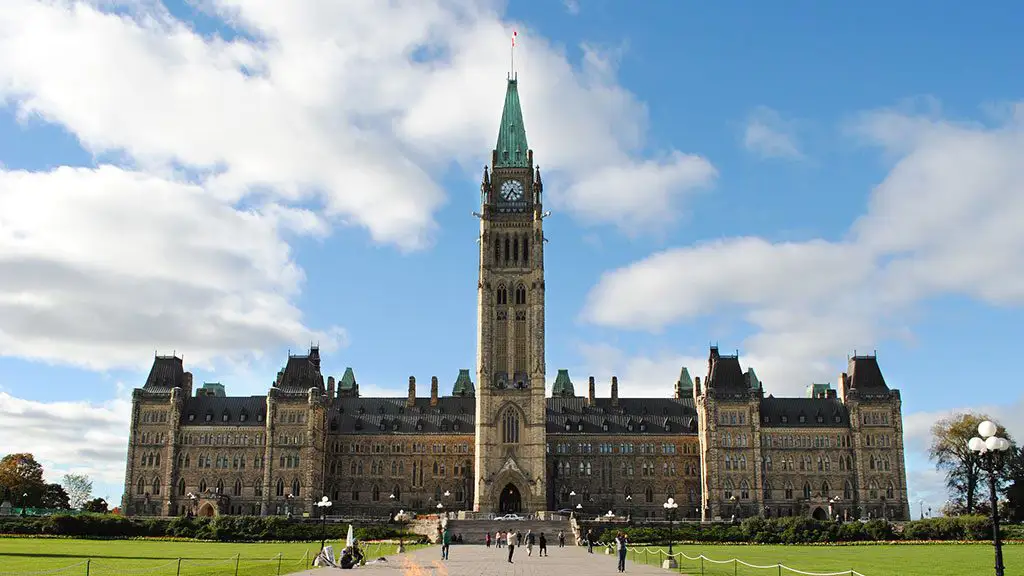
The Canadian federal government has decided against exempting certain major projects from the Species at Risk Act following widespread backlash during public consultations. Despite this, environmentalists express concerns about potential loopholes that could still undermine species protections.
OTTAWA — In a significant policy shift, the federal government has decided to abandon its plans to exempt specific projects from the protections afforded by the Species at Risk Act. This decision comes in response to an overwhelmingly negative reception during a summer consultation period, which garnered over 26,000 submissions from the public. Environmental advocates and Indigenous groups raised concerns, emphasizing that any exemptions could lead to harmful precedents that undermine both environmental protections and Indigenous rights.The government initially proposed these exemptions as part of two discussion papers released in May, which aimed to streamline the approval processes for major projects, fulfilling a key promise from Prime Minister Mark Carney. Among the proposals was the introduction of a “jeopardy test,” which would allow cabinet ministers limited authority to exempt projects from environmental assessments if deemed to be in the public interest, provided that proponents made reasonable efforts to mitigate impacts on at-risk species.
However, a senior government source confirmed to The Toronto Star that the government will not pursue this exemption strategy following the feedback received. The report detailing the consultation outcomes indicated a strong consensus against measures that could weaken environmental safeguards, despite some support for improved coordination in reviews related to species at risk.
Indigenous participants voiced particular concerns regarding the potential for cabinet approval of activities in exceptional circumstances, warning that such moves could infringe on their rights and erode legislative protections. The report highlighted the necessity of maintaining core environmental safeguards, noting that any streamlining efforts should not equate to deregulation.
The Building Canada Act, which was enacted as part of Bill C-5 last summer, grants the government the authority to permit projects deemed in the “national interest” to bypass various laws, including the Species at Risk Act. Julia Levin, an associate director at Environmental Defence, criticized the government's approach, suggesting that it creates multiple pathways for projects to circumvent environmental protections.
Last week, Environmental Defence launched an advertising campaign to raise awareness about the endangered Southern Resident Orcas, emphasizing the risks posed by the proposed changes to project review processes. Levin cautioned that while the removal of the exemption pathway could be seen as a positive development, it does not guarantee enhanced safety for at-risk species, as alternative routes for potential harm still exist.
In summary, while the federal government has opted to withdraw its exemption plans, the implications for species protection remain a contentious issue, with environmental groups and Indigenous communities closely monitoring the government's next steps. Proposed legislation aimed at expediting project approvals is expected to be introduced in the fall, raising further questions about the balance between development and environmental stewardship.
🏷️
consultation feedback
Bill C-5
project approvals
Building Canada Act
Indigenous rights
major projects
environmental protection
Canada
Species at Risk Act
environmental safeguards