
Housing Summit 6.0 Highlights Progress and Ongoing Challenges in Canada's Housing Market
📅 Today
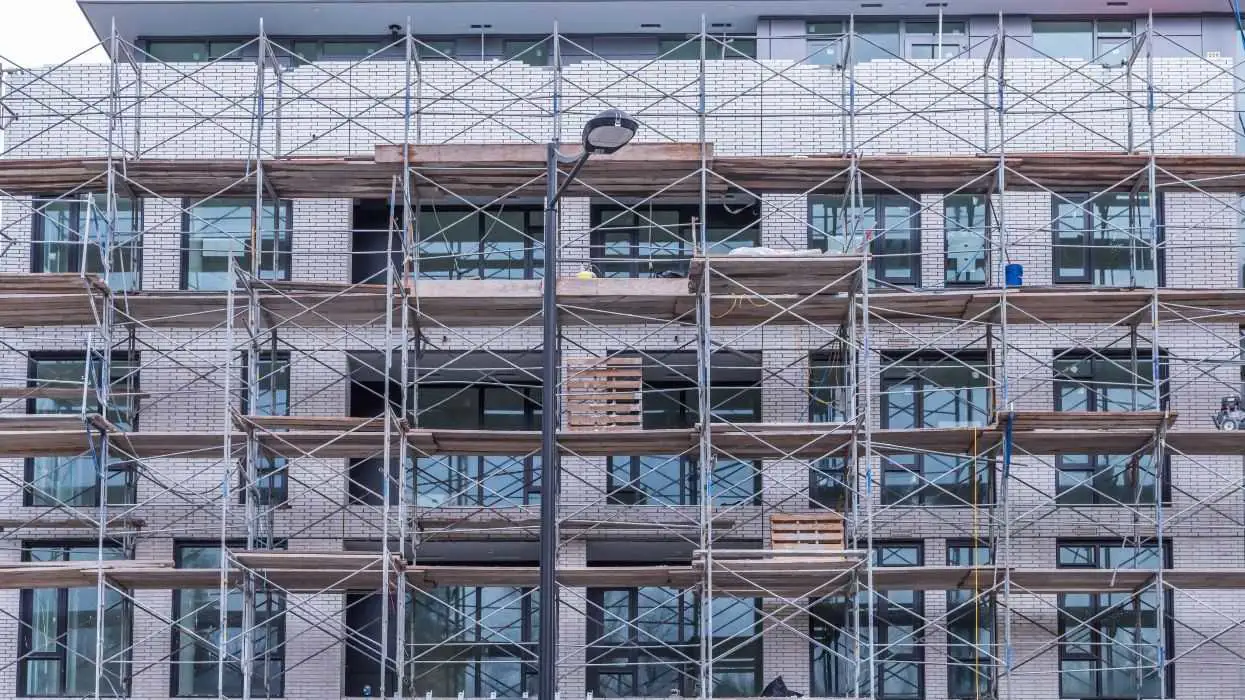
Industry experts at the Housing Summit 6.0 discuss the progress and challenges facing Canada's housing market, emphasizing the need for continued reforms to address the supply crisis.
On September 23, the Residential Construction Council of Ontario (RESCON) hosted its Housing Summit 6.0, where a range of industry leaders, economists, and policymakers gathered to discuss the current state of Canada's housing market. While there are signs of improvement in affordability in key areas, many experts agree that the nation is still far from resolving its pressing affordability and supply crisis.Ian Lee, an associate professor at Carleton University’s Sprott School of Business, provided a nuanced perspective on the effectiveness of housing reforms in Canada. He remarked, "We’re going in the right direction, but we’ve got to do more," indicating that while there have been positive developments, they are insufficient to meet the growing demand for housing. Presently, Canada is constructing approximately 250,000 homes each year, whereas the Canada Mortgage and Housing Corporation (CMHC) estimates that between 400,000 and 470,000 new homes are necessary annually to address the affordability issue and eliminate the existing supply deficit.
"The numbers clearly show that we are not building enough," Lee stated, emphasizing the stark reality of the housing shortfall. The imbalance is particularly acute given that population growth over the past decade has outstripped housing production, resulting in a significant backlog that cannot be quickly resolved even with a ramp-up in construction activity.
Despite these challenges, the summit also revealed some encouraging indicators of stabilization within the housing market. Jason Mercer, chief market analyst at the Toronto Regional Real Estate Board (TRREB), noted that affordability conditions have seen marked improvement over the last two years. A telling statistic is that the income required to purchase a $1 million home in the Greater Toronto Area has decreased from over $200,000 annually at the peak of the interest-rate hikes to between $140,000 and $150,000 today. Mercer commented, "Affordability is no longer the major obstacle it was during the peak of the interest-rate tightening cycle."
However, potential homebuyers are still exhibiting caution due to ongoing uncertainties related to inflation, economic growth, and interest rates. Sales levels have remained relatively stagnant, fluctuating between 60,000 and 70,000 annually, which is significantly lower than what demographic trends would typically support. Mercer suggested that there is a considerable amount of pent-up demand that could be released once consumer confidence improves.
The disparity in housing market conditions across Canada was addressed by Daniel Foch of Valery Real Estate Inc., who pointed out the growing contrasts between markets in Ontario and British Columbia compared to other regions. He indicated that cities like Calgary and Halifax continue to attract younger Canadians seeking affordable home ownership opportunities, contrasting sharply with Toronto and Vancouver, where home prices are significantly higher relative to income.
Ontario's Minister of Municipal Affairs and Housing, Rob Flack, outlined several legislative measures the provincial government has implemented to bolster housing conditions and accelerate construction. These include reforms aimed at expediting development approvals, reducing construction barriers, and a partnership with the federal government to temporarily eliminate the HST on qualifying new homes. Flack noted that early results indicate these measures are already making a positive impact, with new single-family home sales in the Greater Toronto Area tripling in July and August compared to the previous year.
Despite these advancements, the political atmosphere surrounding housing remains fraught with pressure. David Coletto, founder and CEO of Abacus Data, presented survey findings revealing that 79% of Canadians believe the housing system is failing, with nearly three-quarters expressing concern about inadequate housing supply. Only about 20% of Canadians were satisfied with the performance of government entities in addressing housing issues, and just 16% believed the Ontario provincial government was making progress in terms of affordability and availability.
These sentiments suggest that housing will continue to be a critical political issue as municipalities and provinces prepare for upcoming election cycles, with the need for effective solutions to the housing crisis at the forefront of public concern.
🏷️
real estate
Halifax
housing market
Ontario
residential construction
housing policy
Toronto
Calgary
supply crisis
Affordability
← Previous Post
BUILDFest Debuts in Vancouver, Revolutionizing the Construction Trade Show ExperienceToday