Oilsands Emissions Projected to Surge Despite Pathways Carbon Storage Initiative
📅 3 months ago
CALGARY, ALTA. — The oilsands industry is poised for a significant rise in greenhouse gas emissions, as indicated by environmental economist Dave Sawyer from the Canadian Climate Institute. He notes that emissions from increased oilsands production, facilitated by a new West Coast pipeline, will far exceed the reductions anticipated from the Pathways carbon storage project. According to estimates from the think-tank, the oilsands sector could generate an additional 20 megatonnes of emissions annually with the proposed pipeline capacity. In contrast, the Pathways Project aims to sequester six megatonnes of carbon dioxide each year starting in 2035, with a target of achieving a further 10-megatonne reduction by 2045 via carbon capture and storage technologies or alternative methods. An earlier version of the project had set a more ambitious goal of 22 megatonnes per year by 2030.
Sawyer expressed concern over the potential for a substantial increase in emissions, noting that recent adjustments to Alberta's carbon pricing system have not effectively incentivized the industry to invest in emission reduction strategies. The federal government's latest national inventory report indicates that oilsands and thermal heavy oil production were responsible for 92 million tonnes of CO2 emissions in 2024.
The collaboration between the Alberta and federal governments, formalized in a comprehensive energy accord late last year, included stipulations for advancing the new West Coast oil pipeline contingent upon the Pathways project's progression, and vice versa. Earlier this month, Alberta submitted its proposal for the pipeline to the federal major project office, which is designed to accelerate infrastructure projects deemed beneficial to Canada. Simultaneously, a non-binding agreement was established with the companies involved in Pathways, outlining a forward path for the project, which was made public on Monday. Sawyer remarked that while this agreement confirms the project's advancement, it also reflects a considerably reduced ambition compared to previous goals.
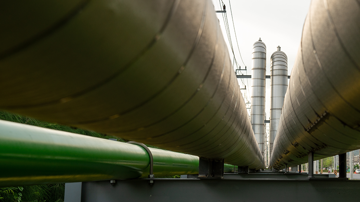
The Pathways initiative is spearheaded by the five largest oilsands companies, namely Cenovus Energy, Imperial Oil, Suncor Energy, Canadian Natural Resources, and ConocoPhillips. This project entails a pipeline network designed to transport carbon emissions from various sites in northern Alberta to a designated underground storage facility near Cold Lake, Alberta. The companies involved are tasked with capturing emissions from their respective operations.
The proposed new pipeline, capable of transporting one million barrels per day to southern British Columbia, is to be developed, constructed, and managed by the federal Crown corporation Trans Mountain Corp., which is also in the process of expanding its existing line to the Vancouver region. The federal and Alberta governments are expected to cover 90 percent of the pipeline's anticipated costs, which could reach as high as $43.7 billion.
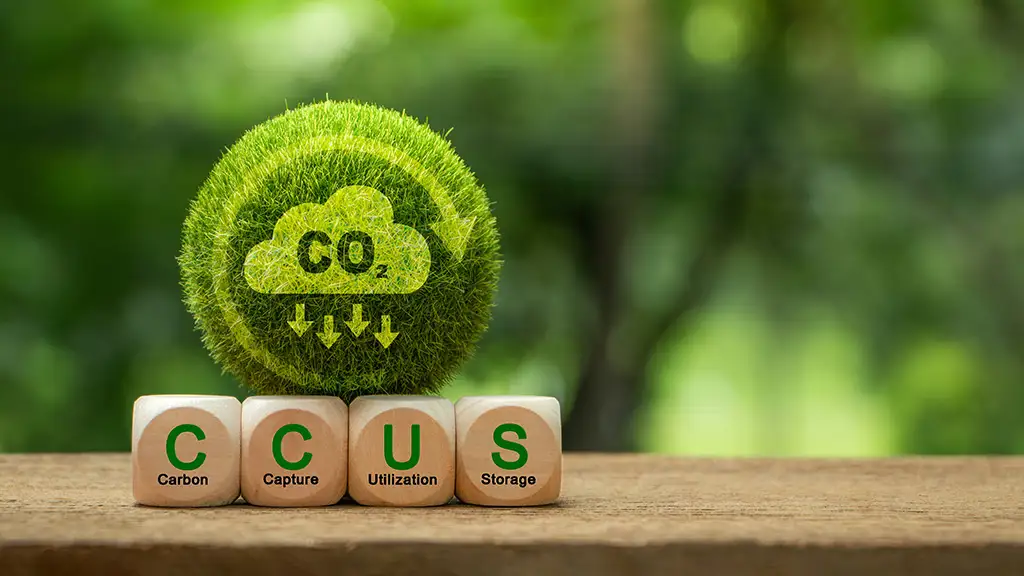
Similarly, the Pathways carbon capture project is likely to rely on substantial government investment, with earlier projections estimating costs at $16.5 billion as of 2022. The CEO of Cenovus recently indicated that the costs could now range between $20 billion and $30 billion. Sawyer referred to carbon capture, utilization, and storage as a 'wild card technology,' highlighting its uncertain commercial viability and deployment challenges.
He advocated for the implementation of stronger industrial carbon pricing as a more effective means of reducing oilsands emissions, criticizing the current government approach which has limited available options. Nonetheless, Sawyer acknowledged that Pathways remains a valuable pursuit for addressing emissions in the oilsands sector.
The federal government has introduced investment tax credits for carbon capture and pledged to provide financing to support operating expenses through various mechanisms, potentially including updates to the Clean Fuel Regulations. Alberta is also working on finalizing its own carbon capture incentive program while committing to implement financial supports to facilitate the oil production growth necessary for the new West Coast pipeline and additional pipeline expansions.
In response to the developments surrounding the Pathways project, a coalition of concerned rural landowners, farmers, and Indigenous communities has expressed profound alarm. The organization No CO2 Pipelines Alberta released a statement voicing their concerns over the safety, health, and environmental risks associated with the transportation of pressurized CO2 through pipelines beneath their properties. They criticized the agreement's signing as having occurred without the consent of local landowners, rural communities, municipalities, or Indigenous populations residing within the project area.
Sawyer expressed concern over the potential for a substantial increase in emissions, noting that recent adjustments to Alberta's carbon pricing system have not effectively incentivized the industry to invest in emission reduction strategies. The federal government's latest national inventory report indicates that oilsands and thermal heavy oil production were responsible for 92 million tonnes of CO2 emissions in 2024.
The collaboration between the Alberta and federal governments, formalized in a comprehensive energy accord late last year, included stipulations for advancing the new West Coast oil pipeline contingent upon the Pathways project's progression, and vice versa. Earlier this month, Alberta submitted its proposal for the pipeline to the federal major project office, which is designed to accelerate infrastructure projects deemed beneficial to Canada. Simultaneously, a non-binding agreement was established with the companies involved in Pathways, outlining a forward path for the project, which was made public on Monday. Sawyer remarked that while this agreement confirms the project's advancement, it also reflects a considerably reduced ambition compared to previous goals.
The Pathways initiative is spearheaded by the five largest oilsands companies, namely Cenovus Energy, Imperial Oil, Suncor Energy, Canadian Natural Resources, and ConocoPhillips. This project entails a pipeline network designed to transport carbon emissions from various sites in northern Alberta to a designated underground storage facility near Cold Lake, Alberta. The companies involved are tasked with capturing emissions from their respective operations.
The proposed new pipeline, capable of transporting one million barrels per day to southern British Columbia, is to be developed, constructed, and managed by the federal Crown corporation Trans Mountain Corp., which is also in the process of expanding its existing line to the Vancouver region. The federal and Alberta governments are expected to cover 90 percent of the pipeline's anticipated costs, which could reach as high as $43.7 billion.
Similarly, the Pathways carbon capture project is likely to rely on substantial government investment, with earlier projections estimating costs at $16.5 billion as of 2022. The CEO of Cenovus recently indicated that the costs could now range between $20 billion and $30 billion. Sawyer referred to carbon capture, utilization, and storage as a 'wild card technology,' highlighting its uncertain commercial viability and deployment challenges.
He advocated for the implementation of stronger industrial carbon pricing as a more effective means of reducing oilsands emissions, criticizing the current government approach which has limited available options. Nonetheless, Sawyer acknowledged that Pathways remains a valuable pursuit for addressing emissions in the oilsands sector.
The federal government has introduced investment tax credits for carbon capture and pledged to provide financing to support operating expenses through various mechanisms, potentially including updates to the Clean Fuel Regulations. Alberta is also working on finalizing its own carbon capture incentive program while committing to implement financial supports to facilitate the oil production growth necessary for the new West Coast pipeline and additional pipeline expansions.
In response to the developments surrounding the Pathways project, a coalition of concerned rural landowners, farmers, and Indigenous communities has expressed profound alarm. The organization No CO2 Pipelines Alberta released a statement voicing their concerns over the safety, health, and environmental risks associated with the transportation of pressurized CO2 through pipelines beneath their properties. They criticized the agreement's signing as having occurred without the consent of local landowners, rural communities, municipalities, or Indigenous populations residing within the project area.
🏷️
pathways project
environmental impact
pipeline infrastructure
Alberta
Trans Mountain Corp
Cenovus Energy
greenhouse gas emissions
energy policy
carbon capture
oilsands
Next Article →
BC One Call and BCLNA Forge Partnership to Enhance Excavation Safety and Education3 months ago