Tight Race for Toronto's Mayoral Election: Chow vs. Bradford
📅 Today
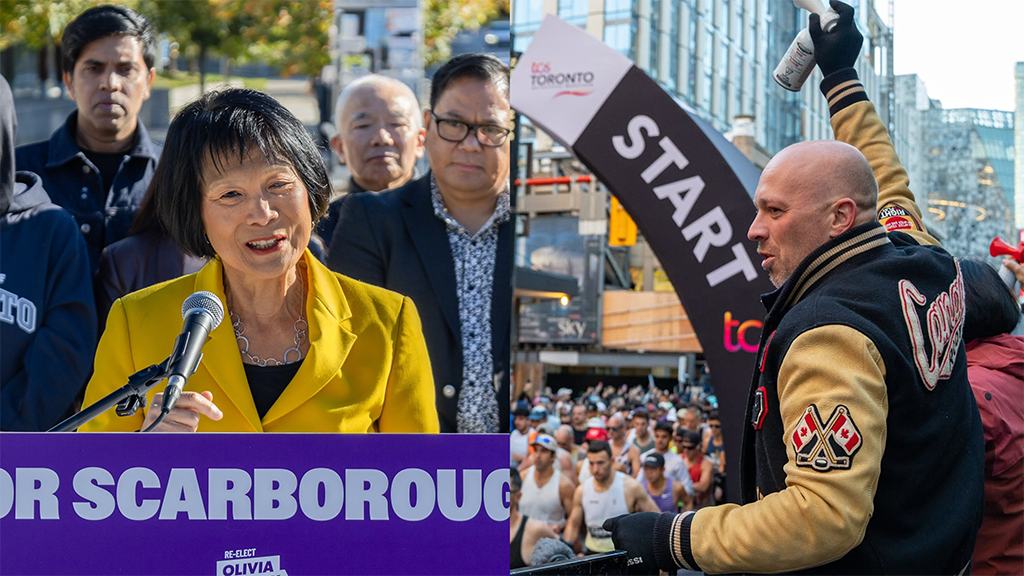
In the final days leading up to the Oct. 26 municipal election, Toronto's mayoral candidates Olivia Chow and Brad Bradford are neck and neck, with housing solutions dominating their debates.
As the municipal election in Toronto approaches on October 26, the race for mayor has become increasingly competitive, with Coun. Brad Bradford closing in on incumbent Olivia Chow in the polls. Recent surveys show Bradford gaining ground, with one poll indicating he is just a few percentage points behind Chow, while another suggests he has taken the lead. Housing has emerged as a pivotal issue in the campaign, with both candidates proposing different solutions to address the city's housing crisis.Bradford, a former city planner, advocates for private-sector involvement to alleviate the housing shortage. During an October 15 debate hosted by TVO, he emphasized the necessity for more housing options. "The bottom line is, we need more housing options and more neighbourhoods," he stated. He argued that local government should create favorable conditions for building homes, advocating for reduced delays and a streamlined approval process.
In contrast, Chow points to her administration's initiatives, including the establishment of a Housing Development Office aimed at accelerating city-led projects. "I wake up every morning thinking about and working on how to build more housing. We have a housing crisis," she declared, noting that 15,000 homes are currently under construction due to her policies. Chow has also highlighted her success in negotiating the 2026 federal-provincial Development Charge Reduction Program, which aims to ease financial burdens on new developments.
The rivalry between Bradford and Chow originated during the 2023 mayoral byelection to fill the vacancy left by John Tory's resignation. Bradford, who has served as the city councillor for Beaches–East York since 2018, proposes several measures to stimulate housing development. He suggests a full municipal land-transfer-tax rebate for homes priced at $1.1 million or less, along with significant reductions in development charges and a commitment to expedite the development review process.
"Toronto missed the provincial benchmark by 14,572 homes last year," Bradford stated, underscoring the urgency of the housing situation. He also criticized the lengthy timeframes for getting approvals, which he claims can take up to three years. As chair of planning and housing, he introduced the Housing Action Plan, which aims to legalize gentle density and expedite approvals, promising to continue this work if elected.
In terms of transit, Bradford has made the Eglinton East Light Rail Transit (LRT) his top priority, vowing to secure additional funding from the provincial and federal governments within his first 100 days in office. He aims to initiate construction by the end of his term. Bradford has criticized Chow for prioritizing the Waterfront East LRT after obtaining $2 billion in funding, claiming that Scarborough's Eglinton East LRT has been neglected. He successfully garnered council support for a motion to include funding for the Scarborough East Rapid Transit Line in the negotiations for the Ontario–Toronto New Deal 2.0.
On the other hand, Chow's supporters tout her achievements in improving the city’s credit rating and advancing significant infrastructure projects, including the Gardiner Expressway and the Scarborough Busway. Chow has also committed to building an additional 10,000 rental homes through her Rental Housing Supply Program, aiming for a total of 65,000 units by 2030.
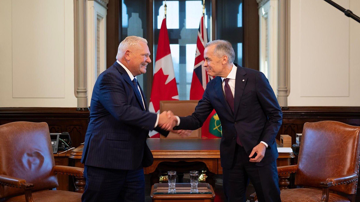
During the debate, Chow defended her record, stating, "The Gardiner, we had to rebuild it. Rather than three years, we cut it by half, so a year-and-a-half of less congestion on the Gardiner because we did the construction much faster." She also asserted her capability to negotiate transit deals with other levels of government, emphasizing her relationships with Prime Minister Mark Carney and Premier Doug Ford.
Amid the back-and-forth, Bradford has accused Chow of increasing property taxes by 20 percent during her tenure, while Chow rebuffed his claims about fiscal responsibility, suggesting his campaign promises would lead to a $6 billion deficit. As the election date nears, both candidates are intensifying their efforts to sway voters on the critical issue of housing and other city services, setting the stage for a potentially transformative municipal election.
🏷️
Urban planning
Chow
Bradford
Construction
Infrastructure
housing
mayoral election
Eglinton East LRT
Scarborough
Toronto
Next Article →
Federal Government Invests $1 Billion in Controversial Ring of Fire Road ProjectToday