A New Model for Building Projects on Indigenous Land: A Case Study of Woodfibre LNG
📅 5 months ago
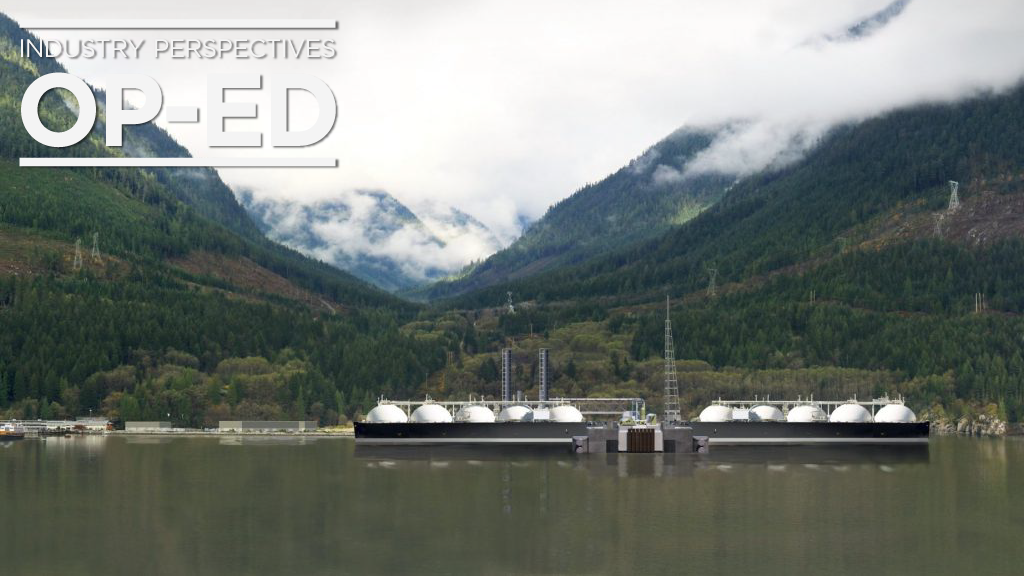
The arrival of the first major module at Woodfibre LNG in May 2025 marked a significant shift in how projects are built in Canada, particularly on Indigenous land. The Squamish Nation's involvement in the project showcases a new model of collaboration and shared authority that is redefining the construction industry's approach to development.
The article highlights the importance of Indigenous involvement in construction projects, emphasizing the need for structured partnerships and shared decision-making. This case study of Woodfibre LNG demonstrates how integrating Indigenous governance can lead to improved outcomes, reduced risks, and increased confidence among stakeholders. The construction industry is evolving towards more inclusive and collaborative practices, recognizing the value of Indigenous perspectives in project development.
🏷️
construction industry
collaborative partnerships
stakeholder engagement
inclusive practices
Woodfibre LNG
project development
Indigenous governance
Squamish Nation
Indigenous involvement
shared authority
← Previous Post
Construction Safety Week Emphasizes Recognizing, Responding, and Respecting Hazards5 months ago
Related Posts