Parliament Approves 2026 Federal Budget Focused on Infrastructure and Economic Growth
📅 1 day ago
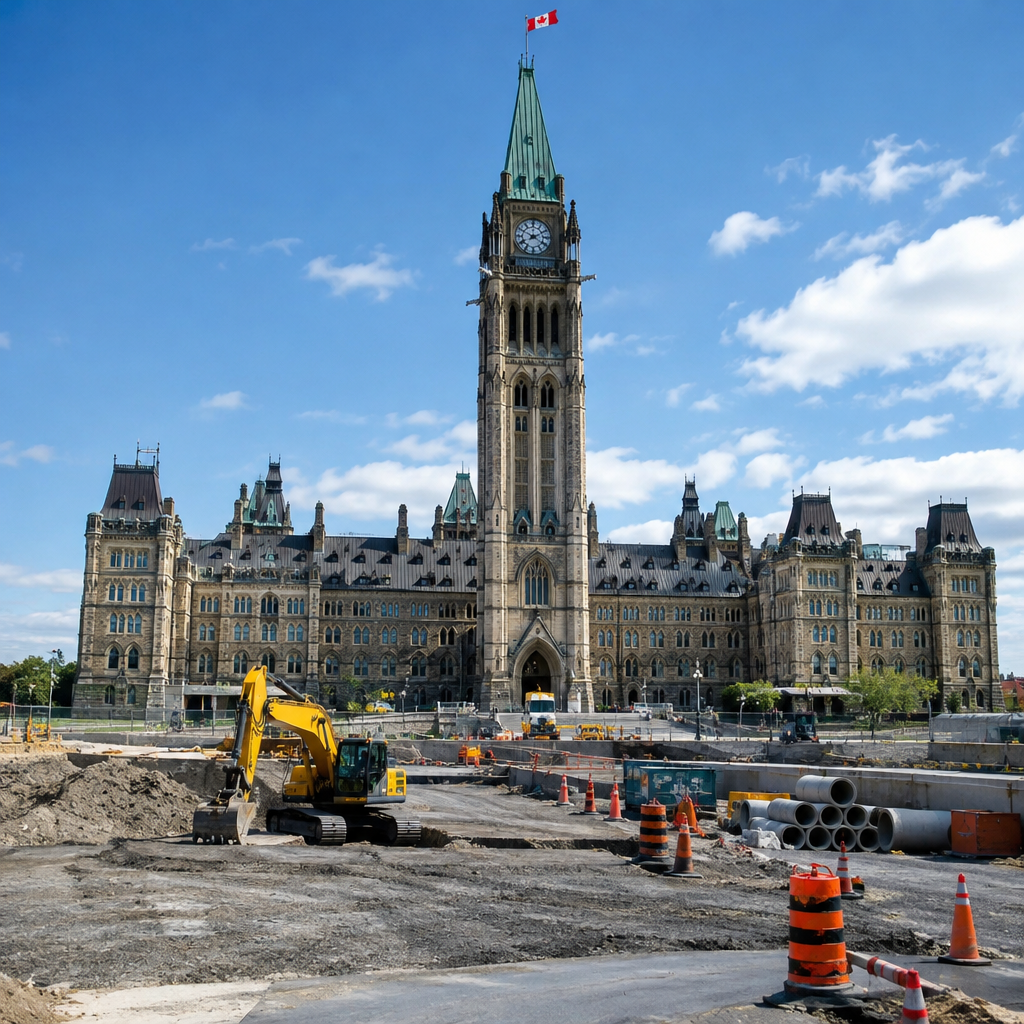
The House of Commons has approved the 2026 federal budget, which emphasizes infrastructure spending and economic growth, amid mixed reactions from opposition parties.
OTTAWA — The House of Commons has officially passed the 2026 federal budget, with Members of Parliament voting 162 to 151 in favor of the motion. The approval was met with cheers from Liberal MPs, who celebrated the decision as a significant step forward. This budget, which was presented on November 5, features extensive borrowing and new tax initiatives aimed primarily at stimulating infrastructure development and various capital projects across Canada.Last year's budget vote was marked by considerable tension, as the minority Liberal government required support from other parties to successfully pass the spending plan. Elizabeth May, then leader of the Green Party, provided the critical vote that enabled Budget 2025 to be ratified, with two members from the NDP and two from the Conservative Party either abstaining or being absent during the vote.
However, due to a series of byelections and party floor-crossings over the past year, the Liberals now possess a majority in the House of Commons. This shift in power allows the government to advance much of its legislative agenda without needing the backing of other political factions.
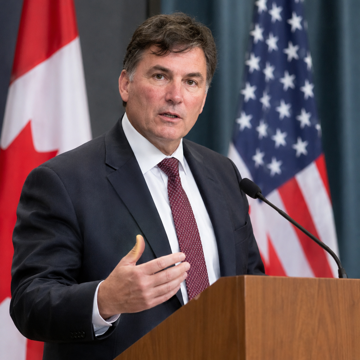
Conservative Leader Pierre Poilievre has voiced strong opposition to the budget, criticizing the scale of the proposed borrowing and arguing that it places an undue financial burden on Canadians while failing to address affordability concerns. Additionally, Annette Ryan, the Parliamentary budget officer, has raised alarms about the projected borrowing levels but noted that the government appears to be on track to uphold its fiscal commitments, thanks in part to improved revenue from better-than-expected economic performance and a boost in tax income from rising global oil prices.
Finance Minister François-Philippe Champagne defended the budget, stating that it positions Canada to invest wisely during uncertain times by capitalizing on the nation’s relatively robust fiscal standing. During a Senate committee meeting, he emphasized that "confident countries invest," highlighting Canada's unique capacity among G7 nations to allocate funds for future growth while also providing support to Canadians facing economic hardships.
Among the notable proposals included in Budget 2026 is a $36-billion productivity mega-deduction designed to encourage businesses to invest in their machinery, thereby enhancing worker productivity. Additional measures aim to increase the Groceries and Essentials Benefit for lower-income families, offer assistance to cultural sectors in Canada, and intensify efforts to combat homelessness.
NDP Leader Avi Lewis announced that his party's MPs would oppose the budget, contending that it primarily benefits large corporations rather than addressing the pressing needs of Canadians. He argued for a budget that genuinely tackles the rising costs of living, including essential expenses like groceries, telecommunications, housing, and healthcare.
The budget bears the title “Maîtres Chez Nous,” or “Masters of our Destiny,” which references a phrase from Quebec’s Quiet Revolution—a time characterized by significant socio-economic transformations in the province. Bloc Québécois Leader Yves-François Blanchet criticized the Liberal government for its use of this phrase, claiming that the budget does not grant Quebec greater autonomy over its affairs.
Despite the successful vote, the budget still faces several obstacles before its provisions can be fully enacted. The government will need to present one or more budget implementation bills, which will undergo committee reviews and votes, potentially leading to amendments before they are finalized into law. The Liberals’ second budget implementation act for the 2025 budget was not tabled until May of this year and is still progressing through Parliament, including measures to provide automatic federal benefits to low-income households and a framework for cryptocurrency asset reporting.
🏷️
Quebec
homelessness
economic growth
infrastructure construction
productivity mega-deduction
tax measures
Groceries and Essentials Benefit
Liberal government
2026 federal budget
affordability measures
← Previous Post
Alberta's Housing Success Highlights Ontario's Challenges in Home Production1 day ago
Next Article →
Canada's Optimism Grows for Interim Trade Deal with U.S. Amid Ongoing Negotiations1 day ago