
Advancing Workers' Rights: A Call to Action for Ontario's Infrastructure Future
📅 4 days ago
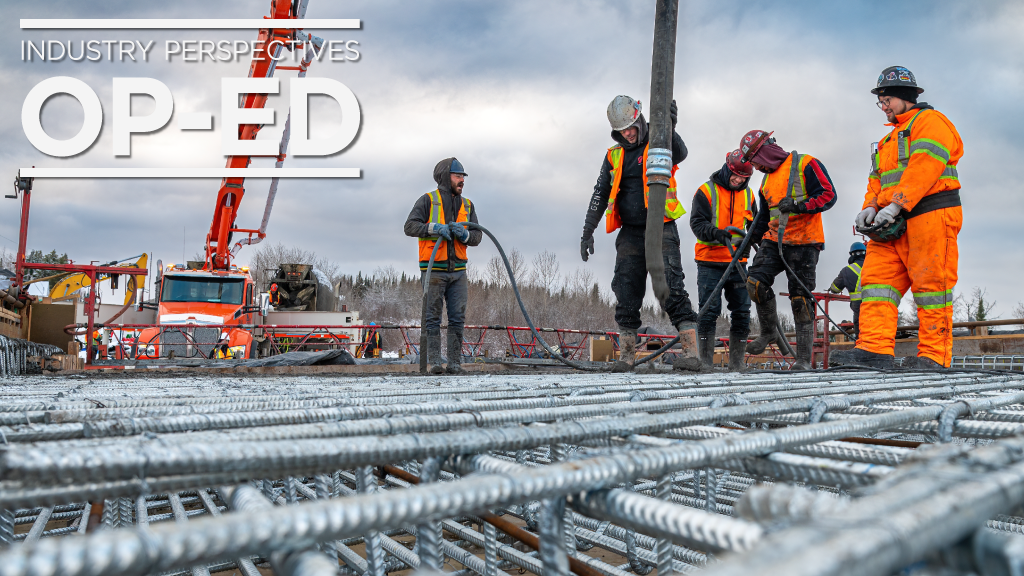
A reflection on the importance of public policy in shaping the experiences of workers in Ontario's construction sector, emphasizing the contributions of David Piccini and the need for continued advocacy under new leadership.
Effective public policy transcends theoretical ideals; it fundamentally alters the experiences of workers on job sites, paves the way for rewarding careers, and guarantees that those who build our province are treated with the dignity they deserve. This principle serves as a benchmark for evaluating leadership in labor, a standard that David Piccini embraced during his tenure as Ontario's Minister of Labour, Immigration, Training and Skills Development. Piccini approached his responsibilities with vigor, conviction, and a genuine willingness to listen. He did not view engagement with labor as a mere formality; he actively participated by visiting training centers, meeting with workers and apprentices, and hearing firsthand from women pursuing careers in trades. This direct engagement informed the decisions made at Queen’s Park, ensuring that policies were rooted in the real experiences of those on the ground.Most crucially, Piccini took action. Through a series of Working for Workers legislations, Ontario implemented practical measures aimed at enhancing dignity, safety, and inclusion within the workplace. Initiatives such as improved sanitation facilities on construction sites, appropriately sized personal protective equipment, and strengthened worker protections may seem simple, yet they tackle daily challenges faced by workers. These actions convey a strong message: basic dignity is non-negotiable, and every worker deserves to return home safely after a day on the job.
Together, we also concentrated on broadening access to skilled trades. Ontario’s future hinges on cultivating a workforce that mirrors the diversity of the province, including women, youth, newcomers, Indigenous workers, and those who may not have previously considered trades as a viable career path. Through the Skills Development Fund, investments in union-led training and apprenticeships have connected more individuals with essential skills, mentorship, and firsthand job site experience necessary for building enduring careers. These initiatives have transformed lives.
For the Labourers' International Union of North America (LiUNA), training is far from an abstract notion. With 18 training centers across Ontario, we witness the tangible outcomes when workers gain access to mentorship, modern tools, and clear pathways to success. Workers do not merely find jobs; they forge careers, support families, and strengthen their communities. Both Piccini and the Doug Ford government recognize that skilled trades are a premier career choice and a vital component of Ontario’s economic future.
Progress is achieved through open dialogue, mutual respect, and a commitment to collaboration. Piccini embodied this approach during his time in the labor portfolio. Together, we advanced policies that will continue to foster safer, more inclusive workplaces and create opportunities for workers for generations. Now, as he transitions to the role of Minister of Infrastructure, Piccini has a unique opportunity to see these policies implemented directly on job sites across Ontario.
Ontario is embarking on a historic infrastructure agenda that includes transit systems, hospitals, highways, water and wastewater management, energy projects, housing initiatives, and community facilities. These investments represent more than mere budget figures; they translate into job sites, careers, and paychecks. They provide apprentices with opportunities to earn while they learn, allow experienced tradespeople to impart their knowledge, and enable working families to secure stable futures.
Piccini brings valuable insights to this role, understanding that infrastructure and labor policies must work in tandem. Announcing a project is merely the first step; effective delivery necessitates a skilled, safe, and well-supported workforce. It demands early workforce planning, ongoing investment in training, and procurement processes that value union labor, uphold high standards, and promote local economic benefits. Furthermore, a successful government must assess achievement not just by the volume of concrete poured but by the quality of opportunities created along the way.
LiUNA’s over 120,000 members across Ontario stand ready to contribute. They are actively engaged in constructing transit systems that connect communities, water systems that support new housing developments, roads and bridges that facilitate the movement of goods and people, and energy projects that will fuel future growth. With Piccini at the helm of infrastructure, the principles he championed during his labor tenure—safety, dignity, inclusion, training, and opportunity—can now be integrated into the projects that will reshape our province.
As this new chapter unfolds, a shift also occurs at the Ministry of Labour, Immigration, Training and Skills Development with the appointment of Trevor Jones. This portfolio carries significant responsibility as Ontario's population expands, the demand for skilled workers grows, and the nature of work evolves. Safeguarding the interests of today’s workforce while preparing the next generation will require focus, collaboration, and the courage to advance.
We are optimistic that with Jones leading the way, Ontario’s workers will continue to have a robust voice and a dedicated partner in their corner. Important work lies ahead as we strive to enhance health and safety, broaden access to apprenticeship and union-led training, dismantle barriers to entering skilled trades, support workers’ mental and physical well-being, and ensure that growth translates into good, family-supporting careers. LiUNA looks forward to partnering with Jones and the newly appointed cabinet, employing the same direct and constructive approach we apply to all collaborations. We remain committed to advocating for our members, proposing solutions, and ensuring that workers' voices are integral to decisions about their futures. Whether in policy-making or infrastructure development, true progress is measured by the empowerment of individuals and the opportunities created along the journey.
🏷️
infrastructure development
diversity in trades
community development
Ontario construction
worker safety
Labor Policy
skilled trades
economic growth
public policy
training programs
← Previous Post
New Industrial Property Hits Market in Mississauga, Fully Leased to TELUS4 days ago