Assembly of First Nations Chief Cautions Prime Minister on Major Projects Bill
📅 Today
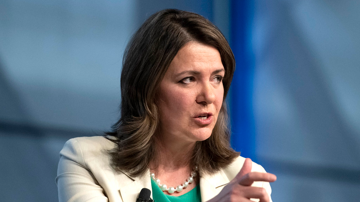
In Ottawa, the national chief of the Assembly of First Nations, Cindy Woodhouse Nepinak, has issued a stern warning to Prime Minister Mark Carney regarding his government's intentions to pass a significant piece of legislation known as the Building Canada Strong Act. This act is poised to transfer the responsibility for assessing large-scale projects, including pipelines and power transmission lines, from the Impact Assessment Agency of Canada to the Canada Energy Regulator. Chief Nepinak argues that such a shift could have serious implications for the rights of First Nations.
Nepinak expressed her concerns that Carney’s administration may be overstepping its bounds, particularly by limiting debate and consultation surrounding this bill. She pointed out that a similar approach was taken during the passage of previous major projects legislation in 2025, which she believes risks dishonoring the Crown’s commitments to Indigenous peoples.
The chief emphasized the importance of allowing First Nations leaders to propose amendments to the new legislation, insisting that the government must remain receptive to their input. In her view, the legislation's current trajectory lacks the necessary engagement with Indigenous communities that is vital for fostering trust and collaboration.
On the other hand, federal ministers have defended the Building Canada Strong Act, claiming that it will expedite the construction of major projects and create jobs at a time when Canada is navigating a shifting trade relationship with the United States. They argue that the changes will ultimately benefit the economy and enhance employment opportunities across the country.
As discussions continue, the implications of this bill extend beyond economic considerations; they also touch on the broader theme of Indigenous rights and governance in Canada. The outcome of this legislative process is likely to affect not only the construction sector but also the intricate relationship between the government and First Nations moving forward.
The debate surrounding the Building Canada Strong Act is emblematic of the ongoing tensions that exist in Canadian politics, particularly regarding resource development and Indigenous sovereignty. With the stakes high, the coming weeks will be critical as stakeholders from various sectors, including Indigenous leaders and government officials, navigate this complex landscape.
Nepinak expressed her concerns that Carney’s administration may be overstepping its bounds, particularly by limiting debate and consultation surrounding this bill. She pointed out that a similar approach was taken during the passage of previous major projects legislation in 2025, which she believes risks dishonoring the Crown’s commitments to Indigenous peoples.
The chief emphasized the importance of allowing First Nations leaders to propose amendments to the new legislation, insisting that the government must remain receptive to their input. In her view, the legislation's current trajectory lacks the necessary engagement with Indigenous communities that is vital for fostering trust and collaboration.
On the other hand, federal ministers have defended the Building Canada Strong Act, claiming that it will expedite the construction of major projects and create jobs at a time when Canada is navigating a shifting trade relationship with the United States. They argue that the changes will ultimately benefit the economy and enhance employment opportunities across the country.
As discussions continue, the implications of this bill extend beyond economic considerations; they also touch on the broader theme of Indigenous rights and governance in Canada. The outcome of this legislative process is likely to affect not only the construction sector but also the intricate relationship between the government and First Nations moving forward.
The debate surrounding the Building Canada Strong Act is emblematic of the ongoing tensions that exist in Canadian politics, particularly regarding resource development and Indigenous sovereignty. With the stakes high, the coming weeks will be critical as stakeholders from various sectors, including Indigenous leaders and government officials, navigate this complex landscape.
🏷️
major projects
Pipelines
economic development
Canada
Construction
legislation
power transmission
Indigenous rights
First Nations
Infrastructure