Alberta Mandates Cleanup Funds for New Oil and Gas Wells
📅 Today
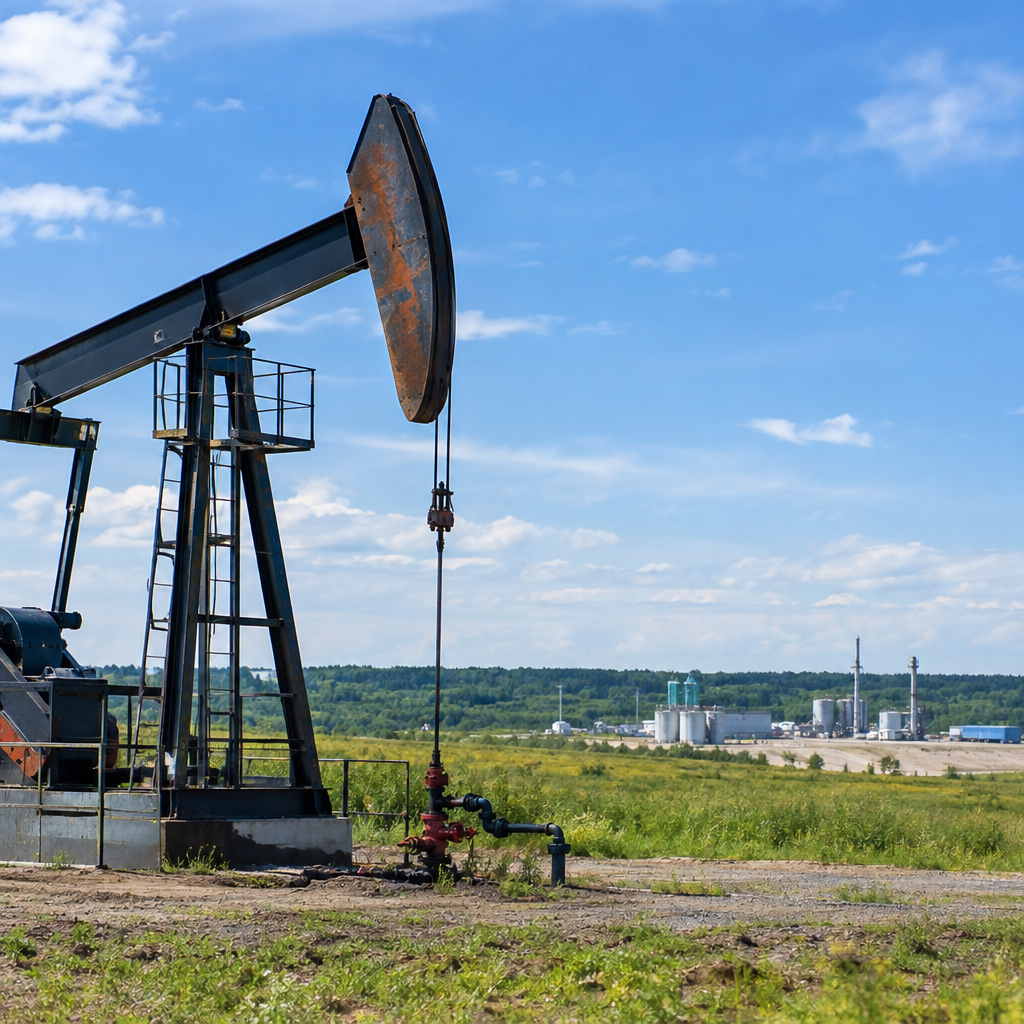
The Alberta government has announced new legislation requiring oil and gas companies to set aside funds for the cleanup of new wells, aiming to address the backlog of orphaned wells and ensure environmental responsibility.
CALGARY, ALTA. — The Alberta government has unveiled new legislation aimed at ensuring oil and gas companies allocate funds for the eventual cleanup of every new well drilled. If the bill is passed, it will lead to the establishment of the Resource Asset Closure Assurance and Stewardship Fund. This initiative mandates that funds follow each well throughout its life cycle, even if ownership changes. Companies will be required to make an initial deposit of up to $50,000, followed by equal annual payments for up to a decade. The regulations are intended to apply to wells drilled after April 1, 2027.Brian Jean, the minister of energy and minerals, explained during a recent news conference that the combination of these payments and the accruing compound interest will ensure sufficient funds are available to cover the cleanup costs of a typical well. "We are making sure that when these wells are drilled, we have something set aside for them to be cleaned up so that the taxpayers are not on the hook," he stated.
The introduction of these rules comes in response to the longstanding challenge of managing old oil and gas wells in Alberta that lack a legal owner due to bankruptcies and other issues. Farmers have expressed ongoing concerns regarding contamination from inactive wells located on their properties. Cleanup efforts for such sites are currently managed by the non-profit Orphan Well Association, which is funded by an industry fee determined annually by the Alberta Energy Regulator.
For the 2026-27 fiscal year, the Orphan Well Levy has been set at $154.56 million, an increase from the previous year's $144.45 million. The Orphan Well Association has assessed the total cleanup costs for its inventory at approximately $1.66 billion. The latest reports indicate that there are currently 7,328 wells awaiting decommissioning, which entails the permanent dismantling of equipment to ensure site safety. Additionally, another 9,258 sites require reclamation, meaning they need to be restored to a condition similar to their original state.
The average cost for decommissioning a well in the 2025-26 fiscal year was reported at $28,800, while reclamation costs averaged $27,700. Under the proposed new legislation, companies will be eligible to access the funds set aside once the reclamation process is completed. In cases where a well becomes orphaned, the funds will be transferred to the Orphan Well Association for cleanup.
Jean emphasized the significance of these changes, stating, "We’re making good on a promise that we made to Albertans to stop the flow of unfunded wells to the Orphan Well Association." He assured that after the implementation of these new rules, no new oil and gas well would end up at the OWA without industry-funded closure provisions.
Terry Schmidtke, chair of the Alberta Small Producers Group, remarked that these legislative changes would bolster the confidence of junior oil and gas companies in buying and selling producing wells drilled after the new rules come into effect. "By ensuring cleanup funding remains with each well during ownership transfers, smaller producers can continue to invest and grow while fulfilling their long-term cleanup obligations, thereby supporting employment in the industry across the province," Schmidtke noted.
Farmers, who have long sought stronger guarantees regarding the cleanup of oil and gas sites on their land, are optimistic about the new legislation. Peter Dobbie, a property rights advocate, remarked, "These changes should ensure that any new wells drilled will be cleaned up and returned to full agricultural use when they cease production."
🏷️
oil and gas
energy sector
Orphan Well Association
Alberta
legislation
resource management
well decommissioning
reclamation
environmental responsibility
cleanup funding
Related Posts