BC Supreme Court Orders Consultation on KSM Mine's Substantial Start Status
📅 Today
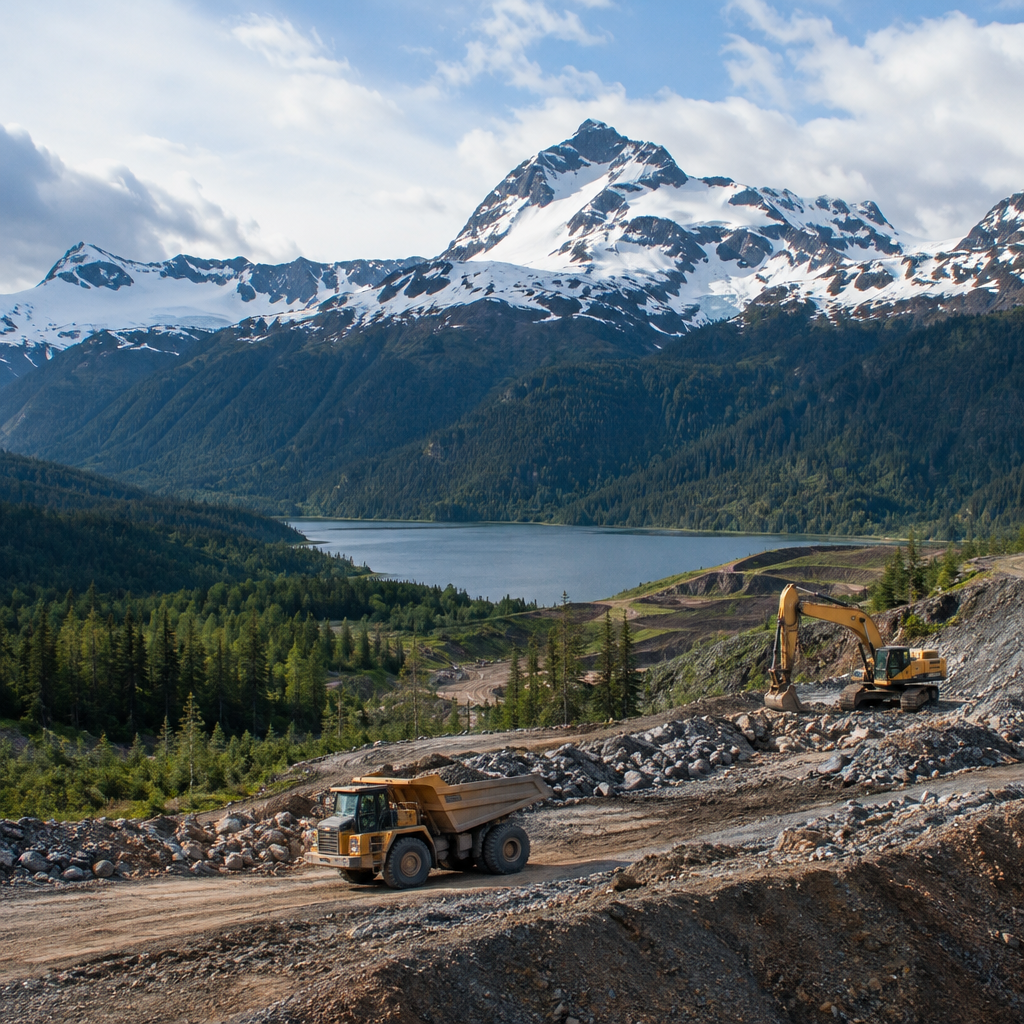
A BC Supreme Court judge has ruled that the substantial start designation of Seabridge Gold's KSM Project must be reconsidered with proper consultation from the Tsetsaut Skii km Lax Ha Nation.
In a significant ruling, a British Columbia Supreme Court judge has mandated that the provincial government revisit its decision to classify the KSM Project, a mining initiative proposed by Seabridge Gold, as 'substantially started.' This designation, which implies that the project has progressed sufficiently to maintain its environmental approval, has been contentious, particularly concerning its implications for local Indigenous communities. Justice Emily Burke's ruling emphasized the necessity for 'deep consultation' with the Tsetsaut Skii km Lax Ha Nation, whose traditional territory encompasses the area in question.The controversy stems from the province's assessment officer's determination in 2024 that the KSM Project, located approximately 65 kilometers northwest of Stewart, B.C., had met the criteria for a substantial start. However, following an initial ruling by Justice Burke in June, which found that the province had neglected its obligation to engage with the First Nation regarding this decision, both parties returned to court seeking clarification on the ruling's interpretation.
In her latest decision, Justice Burke has quashed the previous substantial start determination. She has ordered that the provincial government must provide the Tsetsaut Skii km Lax Ha Nation with a 90-day notice period, allowing them to submit written feedback on whether the project should be considered substantially started.
Rudi Fronk, the CEO of Seabridge Gold, has expressed confidence that the mine's legal standing remains intact, asserting that the company has fulfilled the necessary requirements for the designation. Additionally, he highlighted that Seabridge has established full support and impact benefit agreements with the principal First Nations that recognize both traditional territory and treaty rights within the mining area.
In contrast, Chief Darlene Simpson of the Tsetsaut Skii km Lax Ha Nation has voiced serious concerns regarding the proposed mining operations, particularly the environmental risks associated with a planned 52-storey-deep, nine-kilometer-long toxic waste facility utilizing a wet tailings method. This method has raised alarms due to its potential dangers, as noted in other regions where it has been implemented.
Simpson articulated the fear that if the province were to approve the substantial start designation, it would result in long-term detrimental effects on their territory, with the toxic waste posing a significant risk of breaching containment over time. She emphasized that her nation is not against responsible resource development but insists that the government must engage meaningfully with their concerns about the project's potential impact.
Following the court's decision, Seabridge Gold has indicated its intent to reach out to the environmental assessment office to determine when a new substantial start assessment can be made, urging a swift conclusion to the process. This ruling not only affects the KSM Project but also highlights the broader implications of Indigenous consultation in resource development projects across British Columbia.
🏷️
toxic waste management
Seabridge Gold
mining
First Nations
KSM Project
environmental assessment
resource development
British Columbia
B.C. Supreme Court
Indigenous consultation
Related Posts