Alberta's Indigenous Trades Advocacy Group Launches Campaign to Combat Workplace Bias
📅 4 months ago
Trade Winds to Success has initiated a campaign to address biases faced by Indigenous tradespeople in Alberta's construction sector, highlighting the need for inclusivity and economic benefits.
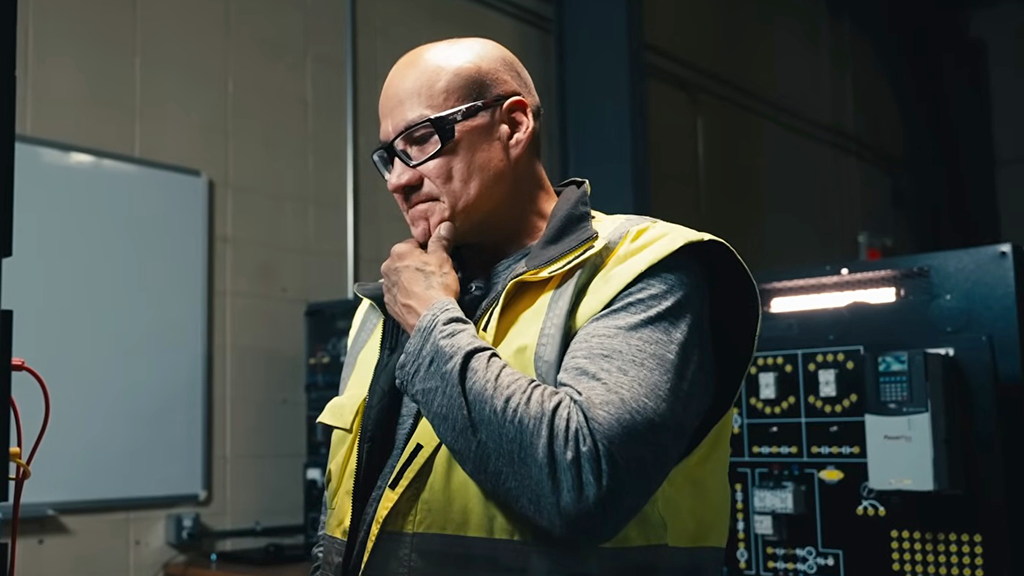
Just three weeks into a new awareness initiative aimed at highlighting the biases experienced by Indigenous construction trades workers in Alberta, there are indications that the province's construction sector is prepared to confront some uncomfortable realities. On June 16, the Indigenous trades advocacy organization Trade Winds to Success unveiled the campaign titled 'See the Skill. Not Bias.' This multi-platform effort encourages employers to tackle the barriers that often hinder skilled Indigenous tradespeople from progressing in their careers.The campaign has already generated significant attention, with a video featuring Curtis Kematch, a fourth-year apprentice electrician, garnering nearly 6,000 views. Shannon McCarthy, the executive director of Trade Winds, reflected on the launch event held in Edmonton, stating, 'Everybody was very inspired by our students’ stories. This is really about starting a conversation that maybe is not a comfortable conversation to have, but it’s a conversation that needs to be had.'
Trade Winds highlights that Alberta's construction industry is poised to face over 42,000 retirements by 2033. Despite this, the presence of more than 6,000 Indigenous apprentices in Alberta's apprenticeship system is undercut by biases that negatively affect recruitment and retention. According to Trade Winds, these biases manifest in various ways, including assumptions made during hiring processes, overlooked resumes, and Indigenous workers feeling scrutinized on job sites, along with limited advancement opportunities.
'Those are all things that we’ve heard directly from our students, and then we went and found the data to back it up,' McCarthy noted. 'It’s not just one student or two students, unfortunately.' In the video featuring Kematch, he shares insights on how he learned to persevere in the face of judgment from colleagues. The film addresses how minor microaggressions and jokes can accumulate, ultimately leaving Indigenous workers feeling unwelcome. 'Everybody thinks what they’re going to think. You can’t control that, so you’ve got no point worrying about it,' Kematch explained, which helped him realize his worth.
Other Indigenous workers highlighted in the campaign include Cheyenne Day Chief, who has spent 19 years in the trade and now leads ironworking crews as a general foreman; Todd Pruden, who is training as a carpenter while also preparing to pursue a master's degree in architecture at the University of Calgary this fall; and Carmen Maurice, who is working towards journeyperson certification in two trades simultaneously. Trade Winds reports that the 6,000 Indigenous apprentices represent approximately nine percent of all registered apprentices in Alberta, with 6.6 percent of the province's construction workforce identifying as Indigenous. Notably, 22 percent of Indigenous adults with postsecondary credentials obtained them through an apprenticeship or trades certificate, and 41 percent of Trade Winds program registrants are women.
McCarthy emphasized the economic rationale for hiring Indigenous individuals in skilled trades, stating, 'It isn’t just about doing the right thing; it’s a smart economic decision.' She pointed out that employers gain access to a talented and motivated workforce at a time when there is a skilled labor shortage, suggesting that investing in Indigenous talent could bolster business communities and the economy.
Stanley Construction has emerged as a key partner in this initiative, collaborating with Trade Winds to foster best practices for inclusivity and a zero-tolerance policy towards harassment, bullying, and microaggressions. McCarthy remarked that graduates of the Trade Winds program maintain connections with the organization, often returning for support or guidance when considering career changes. 'Once a Trade Winds student, always a Trade Winds student,' she affirmed, adding that the organization provides coaching and mentoring throughout the employment journey, encouraging graduates to secure new positions before leaving their current jobs. This ongoing support illustrates the commitment of Trade Winds to empower Indigenous tradespeople as they navigate their careers in the construction industry.
🏷️
Trade Winds to Success
apprenticeship
skilled labor shortage
Indigenous trades
Diversity in Construction
Stanley Construction
workplace culture
inclusivity
Alberta
construction bias
← Previous Post
B.C. Announces Funding for New School Additions Across Multiple Communities4 months ago
Next Article →
Mayor Olivia Chow Honors Labour Leader Jack Oliveira with Key to the City4 months ago