B.C. Premier Eby Pauses Sales Tax Expansion Amid U.S. Trade War, Introduces $90 Million Support Package
📅 3 days ago
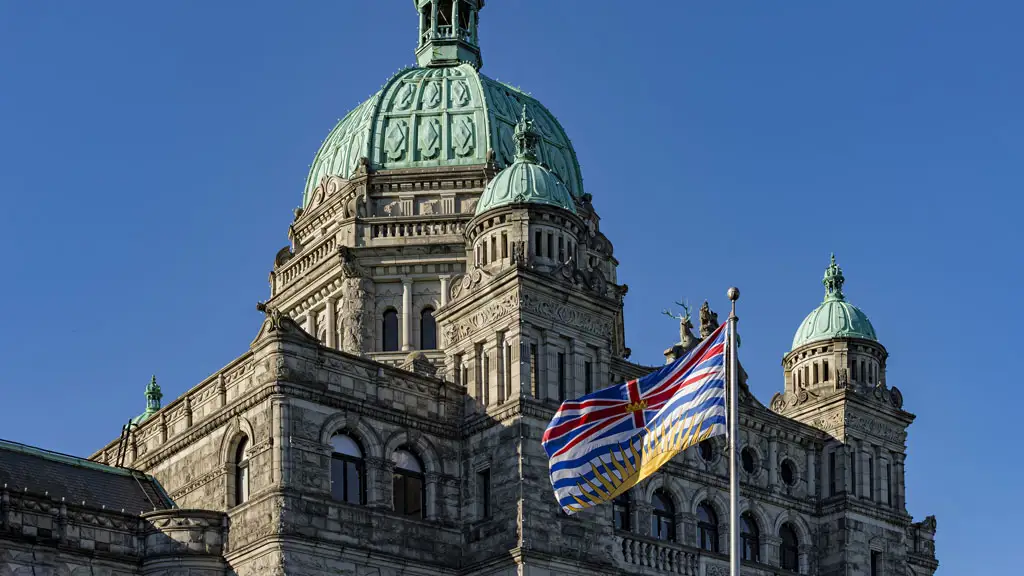
British Columbia's Premier David Eby announced a halt to the planned expansion of the provincial sales tax and unveiled a $90 million support package for businesses affected by U.S. tariffs during his address at the Union of British Columbia Municipalities convention.
VANCOUVER — In a significant move amid ongoing trade tensions with the United States, British Columbia Premier David Eby announced on Friday that the province would pause its planned expansion of the provincial sales tax. This decision was made in light of the challenges faced by businesses due to U.S. tariffs. During his address at the Union of British Columbia Municipalities (UBCM) convention in Vancouver, Eby also unveiled a comprehensive $90 million support package aimed at assisting local businesses and communities impacted by these trade disputes.The funding will be allocated as follows: $30 million is earmarked for a renewed BC Manufacturing Jobs Fund, another $30 million will support technology companies, and $15 million each is designated for rural infrastructure improvements and the BuyBC program. Eby’s reassessment of the sales tax expansion, which was set to take effect on October 1, comes after he heard from numerous businesses expressing their concerns about the financial strain imposed by U.S. tariffs, particularly in sectors like accounting, architecture, and engineering, which will now be exempt from the tax expansion.
In a move that resonated with the convention attendees, Eby reiterated the province's commitment to not stock or sell American alcohol until a fair agreement is reached regarding the forestry sector. His statement received a standing ovation from the audience, emphasizing the strong sentiments surrounding the trade conflict.
Additionally, Eby outlined plans to enhance mental health services by increasing the availability of involuntary care beds across various regions, including upcoming announcements for new facilities in the Interior and on Vancouver Island. This initiative reflects a broader commitment to address the overlapping challenges of mental health and substance use in the province.
Eby’s address came at a pivotal moment, as speculation loomed over the potential for a snap election. He had recently informed Elections BC and his caucus to be prepared for an election, acknowledging the disruptions caused by the U.S. trade war. However, city councillor Alexa Loo from Richmond, who is campaigning for mayor, proposed an emergency resolution at the UBCM convention urging the government to refrain from calling an election during the municipal election period, which is scheduled for October 17.
The resolution, which passed with near unanimity, highlighted concerns that overlapping elections could detract from local issues and voter engagement. Loo articulated that it is unfair for local election campaigns to compete with provincial election narratives, which could confuse voters and diminish turnout.
Vancouver Mayor Ken Sim, who is also running for re-election, echoed these sentiments, calling for the provincial government to prioritize urgent health service needs over the prospect of an election. He emphasized that the focus should remain on the pressing requirement for enhanced treatment capacity in the province, rather than being overshadowed by electoral politics.
Eby’s speech was delivered shortly after a tumultuous week for the B.C. Conservative party, which saw leadership challenges and the expulsion of three caucus members, including former leader John Rustad. The political landscape is shifting, with eight former Conservative legislators announcing their transition to a new party, CentreBC, under the leadership of Peter Milobar, marking a significant realignment within the provincial legislature.
As the political scene evolves, the implications of Eby's announcements will likely resonate throughout British Columbia, as businesses and communities brace for the impacts of both internal governance decisions and external trade pressures.
🏷️
British Columbia
trade war
mental health
Infrastructure
business support
political landscape
U.S. tariffs
BC Ferries
sales tax
local elections
Next Article →
Candu Energy and Aecon Group Secure $1.7 Billion Contract for Pickering Nuclear Station Refurbishment3 days ago
Related Posts