Parliament Reconvenes Amid Economic Turmoil and Trade Tensions
📅 3 days ago
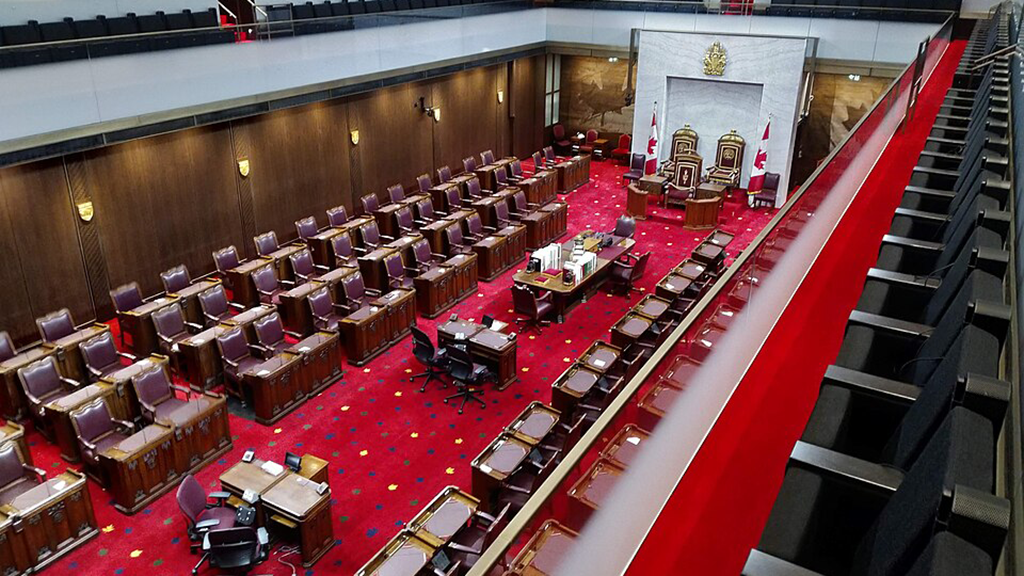
OTTAWA — As Members of Parliament (MPs) return from their summer recess on Monday, the spotlight is firmly on the economy and international trade partnerships, particularly following a summer marked by escalating trade tensions with the United States. Prime Minister Mark Carney has indicated that his Liberal government plans to introduce legislation deemed among the most significant in decades during this parliamentary session.
Government House Leader Steven MacKinnon has promised that 'significant' economic legislation will be at the heart of the fall sitting. In line with this, Finance Minister François-Philippe Champagne is expected to unveil a new bill aimed at extending relief from the excise tax on fuel, alongside preparations for a fall budget.
The Liberals, buoyed by a recent surge in poll numbers, now hold a majority in the House of Commons, having transitioned from a minority to a slim majority of 173 seats following a series of floor-crossings and byelections over the past year. This shift has left opposition parties feeling the sting of reduced influence over parliamentary proceedings and struggling in the polls. Notably, there are six vacant seats that will necessitate byelections in the near future.
In recent developments, Conservative MP Larry Brock announced his resignation from his seat in the Brantford-Brant riding, opting to return to his former role as a Crown prosecutor. In response, Conservative Leader Pierre Poilievre held a campaign-style rally in Brantford, Ontario, on Sunday, where he revealed that Brantford Mayor Kevin Davis will represent the party in the upcoming byelection, which has yet to be officially called.
The New Democratic Party (NDP) faces its own challenges, having seen a significant reduction in its representation following the last election. Party leader Avi Lewis returns to Ottawa without a seat, and the departure of longtime MP Alexandre Boulerice, who stepped down to contest a provincial seat in Quebec, has left the NDP with only five MPs remaining in the House.
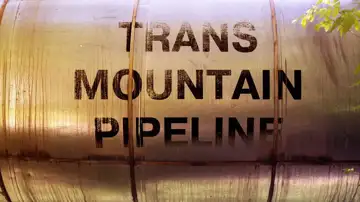
The Liberals have also experienced notable resignations, including that of Steven Guilbeault, who left in August due to frustrations with the party's shift in energy and environmental policies under Carney's leadership. In a related development, Ottawa has made strides toward supporting a new West Coast pipeline, with Carney and Alberta Premier Danielle Smith announcing in July that they had reached an agreement to facilitate a future pipeline to the southern coast of British Columbia through a public-private partnership.
On the international front, U.S. President Donald Trump has intensified trade pressures on Canada, continuing to threaten Canadian sovereignty. Trump has warned of escalating the ongoing trade war by imposing additional tariffs on steel and automobiles by year-end if an agreement is not reached. This comes after Canada's negotiating team withdrew from a potential deal in August, deeming the terms unfavorable. The trade conflict has seen a series of retaliatory tariffs from both nations, further complicating relations.
In a bold move, Trump has also attempted to rebrand Lake Ontario as Lake America while imposing restrictions on certain Canadian imports. Amidst these challenges, Prime Minister Carney has been actively seeking to enhance international ties and attract investment from countries beyond the U.S. Over the past week, he attended the European Parliament in Strasbourg, France, where he delivered a significant address, coinciding with the European Commission’s expression of interest in having Canada as an 'associate member' of the EU. Carney also made a brief visit to the U.K. for bilateral discussions with Prime Minister Andy Burnham.
Carney hosted an investment summit in Toronto, receiving praise from former Prime Minister Stephen Harper for his efforts. During a recent caucus address, Carney humorously acknowledged the intense pace of his schedule, mistakenly referring to 'seven weeks' instead of 'days,' and emphasized the urgency of the current political landscape. This week, Carney will be in New York for meetings in relation to the United Nations, although he is not slated to address the General Assembly. Looking ahead, further travel and summits are expected in the fall months as the government navigates through these pressing economic and trade challenges.
Government House Leader Steven MacKinnon has promised that 'significant' economic legislation will be at the heart of the fall sitting. In line with this, Finance Minister François-Philippe Champagne is expected to unveil a new bill aimed at extending relief from the excise tax on fuel, alongside preparations for a fall budget.
The Liberals, buoyed by a recent surge in poll numbers, now hold a majority in the House of Commons, having transitioned from a minority to a slim majority of 173 seats following a series of floor-crossings and byelections over the past year. This shift has left opposition parties feeling the sting of reduced influence over parliamentary proceedings and struggling in the polls. Notably, there are six vacant seats that will necessitate byelections in the near future.
In recent developments, Conservative MP Larry Brock announced his resignation from his seat in the Brantford-Brant riding, opting to return to his former role as a Crown prosecutor. In response, Conservative Leader Pierre Poilievre held a campaign-style rally in Brantford, Ontario, on Sunday, where he revealed that Brantford Mayor Kevin Davis will represent the party in the upcoming byelection, which has yet to be officially called.
The New Democratic Party (NDP) faces its own challenges, having seen a significant reduction in its representation following the last election. Party leader Avi Lewis returns to Ottawa without a seat, and the departure of longtime MP Alexandre Boulerice, who stepped down to contest a provincial seat in Quebec, has left the NDP with only five MPs remaining in the House.
The Liberals have also experienced notable resignations, including that of Steven Guilbeault, who left in August due to frustrations with the party's shift in energy and environmental policies under Carney's leadership. In a related development, Ottawa has made strides toward supporting a new West Coast pipeline, with Carney and Alberta Premier Danielle Smith announcing in July that they had reached an agreement to facilitate a future pipeline to the southern coast of British Columbia through a public-private partnership.
On the international front, U.S. President Donald Trump has intensified trade pressures on Canada, continuing to threaten Canadian sovereignty. Trump has warned of escalating the ongoing trade war by imposing additional tariffs on steel and automobiles by year-end if an agreement is not reached. This comes after Canada's negotiating team withdrew from a potential deal in August, deeming the terms unfavorable. The trade conflict has seen a series of retaliatory tariffs from both nations, further complicating relations.
In a bold move, Trump has also attempted to rebrand Lake Ontario as Lake America while imposing restrictions on certain Canadian imports. Amidst these challenges, Prime Minister Carney has been actively seeking to enhance international ties and attract investment from countries beyond the U.S. Over the past week, he attended the European Parliament in Strasbourg, France, where he delivered a significant address, coinciding with the European Commission’s expression of interest in having Canada as an 'associate member' of the EU. Carney also made a brief visit to the U.K. for bilateral discussions with Prime Minister Andy Burnham.
Carney hosted an investment summit in Toronto, receiving praise from former Prime Minister Stephen Harper for his efforts. During a recent caucus address, Carney humorously acknowledged the intense pace of his schedule, mistakenly referring to 'seven weeks' instead of 'days,' and emphasized the urgency of the current political landscape. This week, Carney will be in New York for meetings in relation to the United Nations, although he is not slated to address the General Assembly. Looking ahead, further travel and summits are expected in the fall months as the government navigates through these pressing economic and trade challenges.
🏷️
legislation
pipeline
Infrastructure
economy
Construction
Canada
politics
Liberal government
tariffs
trade
← Previous Post
Massive Refurbishment Project Begins at Pickering Nuclear Generating Station3 days ago
Next Article →
B.C. Premier Eby Pauses Sales Tax Expansion Amid U.S. Trade War, Introduces $90 Million Support Package3 days ago
Related Posts