Beneath B.C.: Rethinking Underground Infrastructure for Future Growth
📅 4 months ago
This article discusses the critical need for coordinated underground infrastructure planning in British Columbia, highlighting the challenges and strategies involved in managing shared spaces as the province invests heavily in new projects.
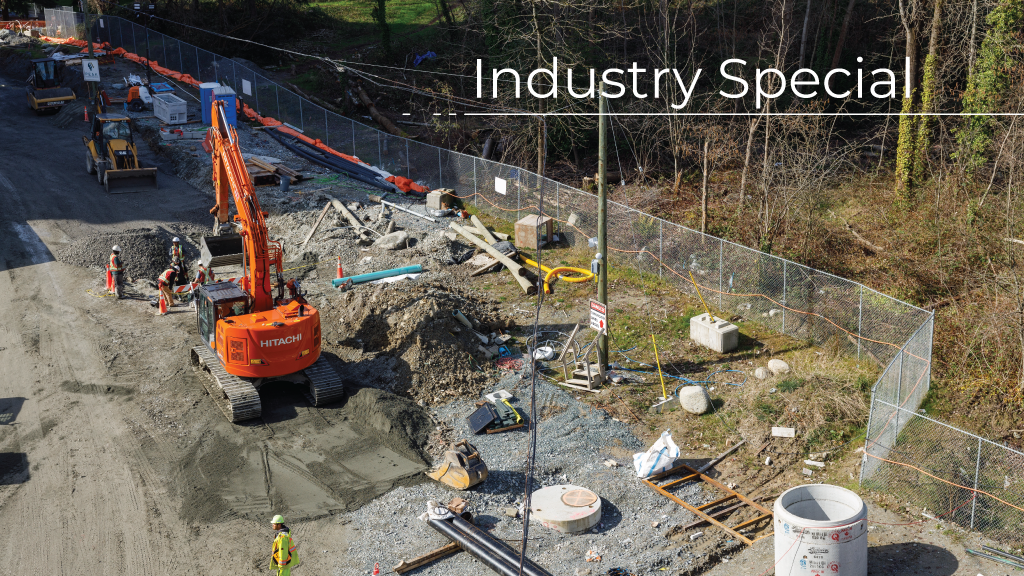
In a recent six-part feature series by BC 1 Call, the focus turns to an often-overlooked aspect of construction: the underground infrastructure that supports our daily lives. While successes in this field rarely make headlines, failures can lead to significant disruptions. The series begins with a reflection on the importance of integrating the past in future constructions, and in its second installment, it emphasizes the necessity of understanding what lies beneath the ground as we embark on major infrastructure projects.As British Columbia allocates billions towards new infrastructure, there is a growing imperative to consider how to effectively utilize the space both above and below ground. The underground landscape is no longer merely a collection of isolated utility systems; it has evolved into a complex, interconnected network. A single project, such as the renewal of a municipal watermain, can necessitate the protection of various other utilities, including natural gas pipelines and electrical distribution systems, some of which may have been installed decades prior. This interconnectedness means that excavations have transformed into intricate exercises in systems integration, requiring collaboration among multiple organizations.
The challenge is intensified by the trend towards higher-density living and transit-oriented developments, which demand more underground space within the existing urban fabric. As cities grow, the underground has become a precious yet constrained asset, prompting a shift in how the construction industry approaches its use. The ramifications of this shift extend beyond engineering challenges; each excavation poses new risks, including operational, financial, and environmental concerns. The probability of conflicts between utilities increases in crowded corridors, leading to potential accidental damage to critical infrastructure and subsequent delays, which are persistent worries for project managers.
Moreover, repeated excavations can exacerbate environmental impacts by disturbing soil, generating greenhouse gas emissions from construction activities, and producing waste, all of which place additional stress on surrounding ecosystems. In sensitive areas, even minor disturbances can have lasting effects. As a result, improved coordination is emerging as both a strategic necessity for infrastructure and a vital environmental consideration.
Historically, utility projects were carried out independently, often resulting in lengthy disruptions as roads were opened and restored in succession. This pattern has led to a fragmented approach to infrastructure planning, where projects appear isolated but are symptomatic of deeper systemic issues. However, a new philosophy is gaining traction: infrastructure owners are beginning to manage entire corridors collectively rather than focusing on individual projects. This approach allows for shared excavations and synchronized construction schedules to be planned well in advance. By avoiding unnecessary excavations, costs are reduced, disruptions are minimized, and environmental impacts are lessened, all while extending the lifespan of existing infrastructure.
An example of this collective planning can be seen in the proposed West Coast pipeline project, which was announced by Prime Minister Mark Carney on July 2. This project aims to follow the existing Trans Mountain corridor in British Columbia, thereby leveraging established routes rather than creating new ones. Such planning principles are becoming increasingly relevant across various infrastructure sectors.
As infrastructure planning evolves, the focus is shifting to where construction can occur with the least long-term impact. Utilizing established corridors, which embody years of accumulated knowledge, can help mitigate cumulative effects. This philosophy is influencing projects of all sizes; municipal road reconstructions are increasingly being designed to incorporate multiple utility updates before new pavement is laid. Transit projects are also creating opportunities for simultaneous upgrades of buried infrastructure, and new developments are being planned with foresight to reserve space for future utilities that may not be needed for years.
While advancements in technology are facilitating these collaborative strategies, full alignment among stakeholders has yet to be achieved. Utilities and municipalities are making strides by investing in geographic information systems, standardized digital records, and improved utility mapping standards. These initiatives enhance understanding of the underground environment, enabling designers to identify conflicts earlier and allowing contractors to plan their work more safely.
The most successful jurisdictions are recognizing that collaboration is as crucial as engineering in the construction of infrastructure. To prevent damage before construction begins, infrastructure owners are sharing long-range capital plans, establishing formal coordination committees, and enhancing communication protocols. This integrated governance is becoming essential as shared underground spaces require management as comprehensive as the infrastructure itself. As British Columbia looks to the future, the challenge will not merely be about building more infrastructure but about managing underground space as a limited public resource, coordinating investments across various organizations, and safeguarding the surrounding environment. The underground landscape has always been vital to life above it, but today, its management must evolve beyond a project-by-project basis.
Next week, the series will continue with a discussion on the cascading consequences of utility strikes, which are rarely isolated incidents but rather the catalysts for a series of unforeseen repercussions. Donna Grant, president of BC 1 Call, brings her extensive experience in infrastructure, construction, public safety, and stakeholder collaboration to this ongoing exploration of the challenges and opportunities that shape the future of underground infrastructure in British Columbia. Since its inception in 1994, BC 1 Call has played a pivotal role in connecting the excavation community with underground infrastructure owners before any digging occurs, promoting safer excavation practices across the province.
🏷️
urban development
British Columbia
underground utilities
utility management
transit-oriented development
construction coordination
public asset management
environmental impact
Infrastructure
excavation safety
Next Article →
Hamilton Set to Vote on Historic Moratorium for Data Centres Amidst Growing Concerns4 months ago