Building for the Future: The Long-Term Impact of Today's Construction Decisions
📅 3 days ago
🏷️ Daniels Homes
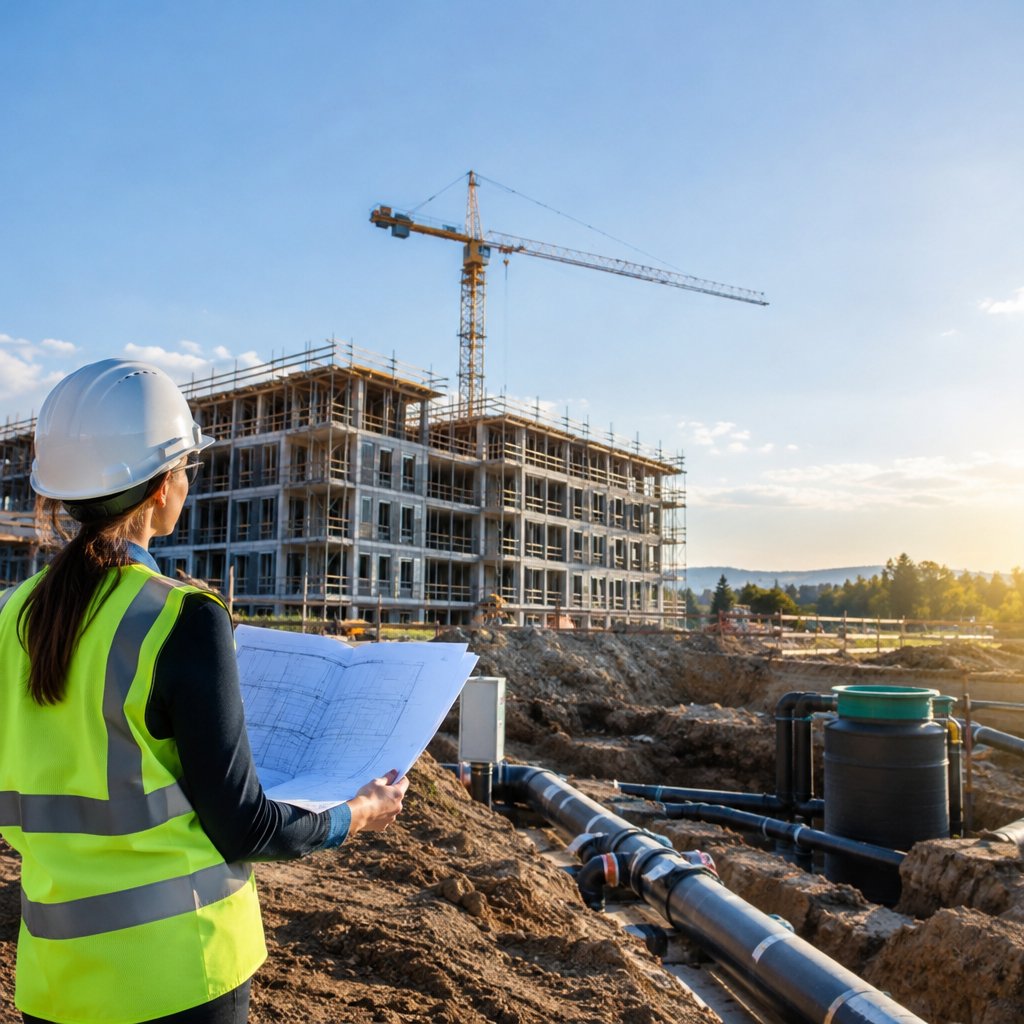
As construction begins on new projects, developers are urged to consider not just immediate financial viability but the long-term operational costs and performance of buildings that will stand for decades. With incentives and financing programs shaping the landscape, the focus shifts towards sustainable practices such as geothermal energy.
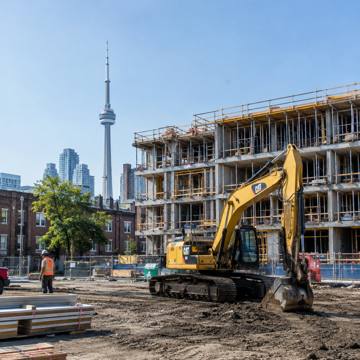
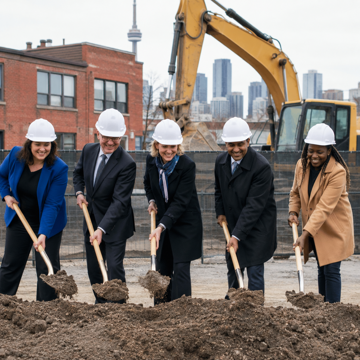
A new construction project is breaking ground today, but its implications will extend far into the future, potentially influencing the real estate landscape well into the year 2100. As the government incentives, financing programs, and building standards that currently guide construction practices fade from memory, developers are faced with the pressing challenge of securing financing and commencing construction amidst one of the most difficult real estate climates in recent history. Despite this immediate focus, the infrastructure decisions made today will have lasting effects on operating costs, performance, and marketability for generations to come.The rise of geothermal systems over the past decade exemplifies the shift towards sustainable building practices. The Toronto Green Standard has played a significant role in promoting the adoption of low-carbon technologies, while the Canada Mortgage and Housing Corporation's (CMHC) MLI Select financing program has offered additional incentives for developers to pursue higher energy performance in their projects. These initiatives have fundamentally altered how projects are designed and financially assessed.
Tim Weber, Co-Founder and CEO of Diverso Energy, emphasizes the importance of looking beyond immediate viability. "Incentives and mandates always have a shelf life. But the infrastructure we’re putting into the ground will be there for decades," he states. This perspective urges developers to consider not just what makes a project feasible today, but also what attributes will ensure that the building remains a valuable asset for the next 20, 40, or even 60 years.
The Daniels Corporation serves as a notable example of how the rationale for implementing geothermal technology can evolve over time. By integrating sustainable practices early in the development process, they are not only adhering to current standards but also positioning themselves for future market demands and operational efficiencies.
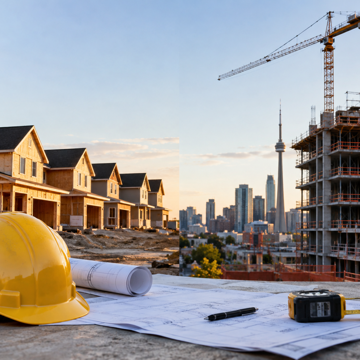
As the construction industry continues to adapt to changing regulations and economic pressures, the focus on long-term sustainability and performance is becoming increasingly crucial. Developers are encouraged to weigh the benefits of current incentives against the potential for future value, ensuring that the buildings they construct today will remain relevant and efficient for generations to come.
🏷️
incentives
Daniels Corporation
Diverso Energy
sustainable building
residential construction
long-term planning
geothermal energy
Toronto Green Standard
CMHC MLI Select
energy performance
Next Article →
Georgia's Port of Savannah to Undergo Major Expansion with New $2.3 Billion Container Terminal3 days ago