Building the Future Around Our Past: The Challenges of Underground Infrastructure in British Columbia
📅 4 months ago

This article explores the complexities of constructing new infrastructure in British Columbia while managing existing underground assets, emphasizing the importance of understanding historical infrastructure.
In the first installment of the six-part series from the Journal of Commerce, BC 1 Call delves into a unique aspect of the construction industry where success is often measured by the absence of incidents. The most significant achievements in this field typically go unnoticed, while a single misstep can disrupt daily life in an instant. Beneath the surface of British Columbia lies an intricate web of engineering marvels that have been constructed and maintained over generations. This hidden infrastructure continues to evolve, seamlessly integrated into day-to-day activities, rendering it nearly invisible to the public eye. The Beneath BC series aims to shed light on the exceptional intricacies of the province’s underground infrastructure and the mounting challenges of future construction endeavors.The construction sector in British Columbia faces an increasing dilemma: each new project must forge ahead without disturbing the historical infrastructure below. Generations past have left a legacy of underground structures that are still operational today, yet some have surpassed their expected lifespan. Perhaps the most daunting task is ensuring that this infrastructure remains functional while new developments, including residential areas, businesses, and public facilities, are constructed around it. Traditionally, construction has focused on shaping the future, but success increasingly hinges on a thorough understanding of the past.
Every successful construction initiative begins with a critical inquiry: What do we know about the subsurface conditions? The quality of information available can vary dramatically, from antiquated record drawings and hand-drawn notes to precise survey mapping and emerging digital technologies. While some infrastructure has been well-documented, much of it remains obscure. Enhancements in underground information can mitigate uncertainty, yet it has not been entirely eradicated. In practice, construction has evolved into a process of navigating the unknown. Industry veterans often recount experiences of uncovering unexpected elements underground, with the most favorable outcomes leading to improved data, better documentation, and shared learning rather than mishaps.
British Columbia is not merely preparing for future construction; it is actively engaged in it. On July 2, Prime Minister Mark Carney and Premier David Eby unveiled a pivotal agreement aimed at positioning Canada as an energy superpower. The Canada-British Columbia Cooperative Prosperity Agreement is set to expedite the development of major energy and trade corridors across the province, which will include significant expansions of underground assets for various projects. These projects encompass LNG Canada Phase 2, Ksi Lisims LNG, Cedar LNG, and Woodfibre LNG, the Red Chris Mine expansion, the North Coast Transmission Line, the Port of Vancouver-Roberts Bank trade corridor, the George Massey Tunnel replacement, and developments at the Port of Prince Rupert and the Port of Stewart.
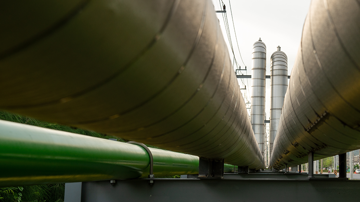
On that same day, Carney announced a West Coast pipeline initiative that, under the Major Projects Office, will transport one million barrels of oil per day, primarily following the existing Trans Mountain corridor throughout British Columbia. Additionally, on June 18, Carney and Eby disclosed a 10-year partnership that will see the federal government allocate over $5 billion toward local infrastructure in BC through the Build Communities Strong Fund. This agreement includes up to $3.2 billion for the enhancement of housing-related infrastructure such as water systems, wastewater systems, and local roads, alongside a separate federal investment of $2.5 billion dedicated to public transit projects over the next decade.
Simultaneously, the province is moving forward with numerous public and private initiatives via its Major Projects Inventory. The statistics clearly indicate the trajectory we are on, but there is a pressing question: Is our comprehension of the underground infrastructure evolving at the same pace? A significant portion of the subsurface infrastructure was not designed to meet the current demands. Statistics Canada revealed that nearly 20% of Canada’s buried water, wastewater, and stormwater systems were over 50 years old as of 2020. While many of these assets continue to function adequately, can they be depended upon to support new developments, advanced technologies, and heightened reliability expectations? The challenge lies not only in expanding the underground infrastructure but also in harmonizing future advancements with the legacy of the past. Every completed project contributes to this ongoing legacy. Long after the cranes and construction barriers have been removed, the infrastructure we put in place and the decisions made to safeguard existing assets will influence the communities that future generations will inhabit.
In the upcoming segment of the Beneath BC series, titled A Province Growing Downward, we will explore how every project transforms two landscapes: the visible one and the subterranean one. Donna Grant, president of BC 1 Call, has dedicated her career to bridging the gap between infrastructure, construction, public safety, stakeholder collaboration, and leadership. Through this series, she will investigate the opportunities and challenges that are shaping the future of underground infrastructure in British Columbia. Since its inception in 1994, BC 1 Call has connected those in the excavation sector with underground infrastructure owners prior to excavation, emphasizing the importance of protecting critical infrastructure and promoting safer excavation practices throughout the province.
🏷️
Major Projects Office
Infrastructure Investment
construction safety
LNG projects
public transit
energy superpower
underground infrastructure
historical infrastructure
construction challenges
British Columbia
Next Article →
British Columbia Leads Development of Critical Minerals Strategy for Western and Northern Canada4 months ago