Canada Imposes Retaliatory Tariffs on U.S. Goods Amid Trade Tensions
📅 Today
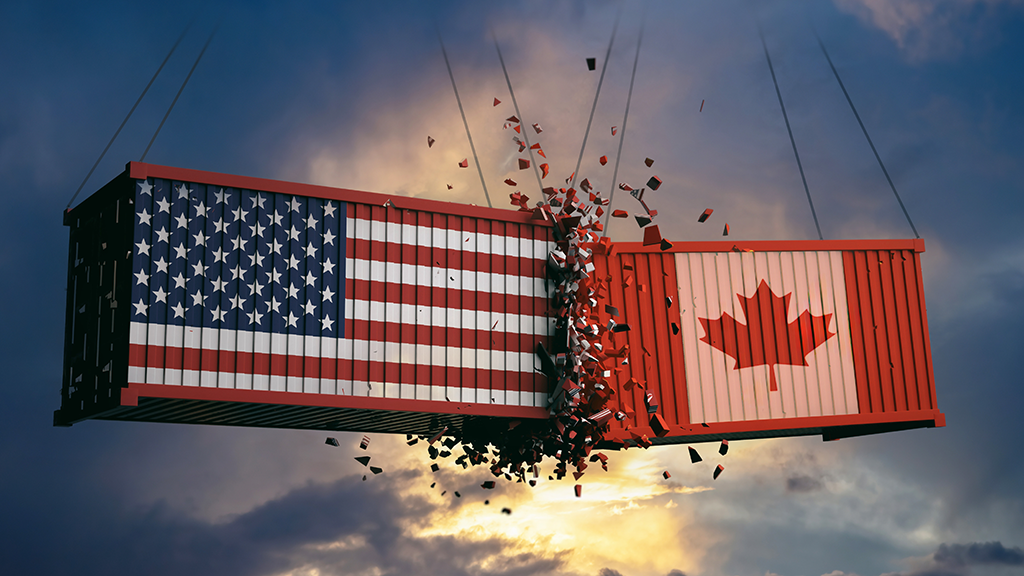
In response to U.S. tariffs, Canada has enacted its own tariffs on American products, impacting various sectors including dairy and lumber.
OTTAWA – In a significant escalation of trade tensions, Canada has implemented retaliatory tariffs on American goods effective just after midnight EDT on Tuesday. This move follows the 50 percent tariffs imposed by the United States on nearly $28 billion of Canadian products, including hockey sticks, cement, and honey, after trade negotiations faltered between the two nations.The Canadian government has decided to impose reciprocal tariffs targeting the same monetary value of U.S. goods, with a focus on products that were also affected by the American tariffs. This includes dairy items, plywood, and sunscreen among others. The current tariff war erupted after discussions to address lingering trade concerns broke down, with both countries attributing the failure to last-minute demands from the other side.
Canadian Prime Minister Mark Carney commented on the situation, asserting, "We couldn’t accept what they offered. We wouldn’t give what they’d asked. As a result, the U.S. has imposed new tariffs designed to hurt and divide us. This is a miscalculation because Canadians will always take care of each other. We have everything we need to build the country we want — the reserves, the resilience, and the right plan.”
As the new Canadian tariffs were set to take effect, President Trump took to social media to express his discontent, posting a cartoon depicting him as a hockey player striking at Carney while shouting, “get up governor.” Trump has previously indicated a desire to see Canada become the 51st state and has referred to both Carney and former Prime Minister Justin Trudeau in a similar manner.
In addition to the tariffs on dairy products, which include a 50 percent tariff on various items like milk and cream, Canada is also imposing a 25 percent tariff on fresh cheese and curd. Wood products from the U.S. will face a 25 percent tariff on softwood varieties such as pine, fir, and spruce. Furthermore, multiple steel and aluminum products will now be subjected to a 50 percent tariff, an increase from the previous 25 percent rate. This includes steel rods, bars, sheets, and prefabricated construction items like bridges, scaffolding, and window frames. Beauty products, including perfumes and various makeup items, will also see a 50 percent tariff.
Prime Minister Carney recently visited Thunder Bay, Ontario, to announce a new multi-billion-dollar manufacturing contract for Via Rail's passenger cars, which will now be produced domestically by Alstom instead of being imported from the United States. He emphasized Canada’s commitment to increasing domestic production and diversifying trading partners in light of ongoing global disruptions.
In a Labour Day statement, Carney remarked on Canada’s infrastructure ambitions, stating, “Today, in the face of a global rupture, Canada is building big again: new ports, mines, and energy corridors; millions more affordable homes; new roads, railways, and airports. And we are building it all in solidarity with Canadian workers.”
Historian and professor Robert Bothwell highlighted the symbolic nature of Carney’s leadership, suggesting that it represents a broader resistance to Trump’s policies. “What he’ll want to do is make an example of Carney and Canada, theoretically terrifying others while showing them they need to distance themselves further from the U.S.,” he noted.
Meanwhile, Conservative Leader Pierre Poilievre has called for increased transparency from the government, arguing that Canadians deserve clarity on the economic ramifications of the counter tariffs on businesses and individuals. He stated, “All Canadians stand united in denouncing the president’s unacceptable tweets, trolling, and tariffs, and we have to stand united for its workers and all of our people.”
The Canadian Federation of Independent Business has expressed concerns that small businesses may be adversely affected by the trade war, despite government support initiatives. As Carney prepares to address the European Parliament next week, experts like Daniel Béland suggest that his statements may resonate globally. Béland stated, “The Canadian public is behind the Carney government, and the world is watching what will happen next.” He added that if Canada’s defiant stance proves successful, it could serve as a model for other nations facing similar challenges from the Trump administration’s trade policies.
🏷️
economic impact
construction materials
tariffs
steel
trade war
domestic manufacturing
U.S.
aluminum
Canada
VIA Rail