The Data Centre Boom Faces Growing Resistance Across the U.S.
📅 5 months ago
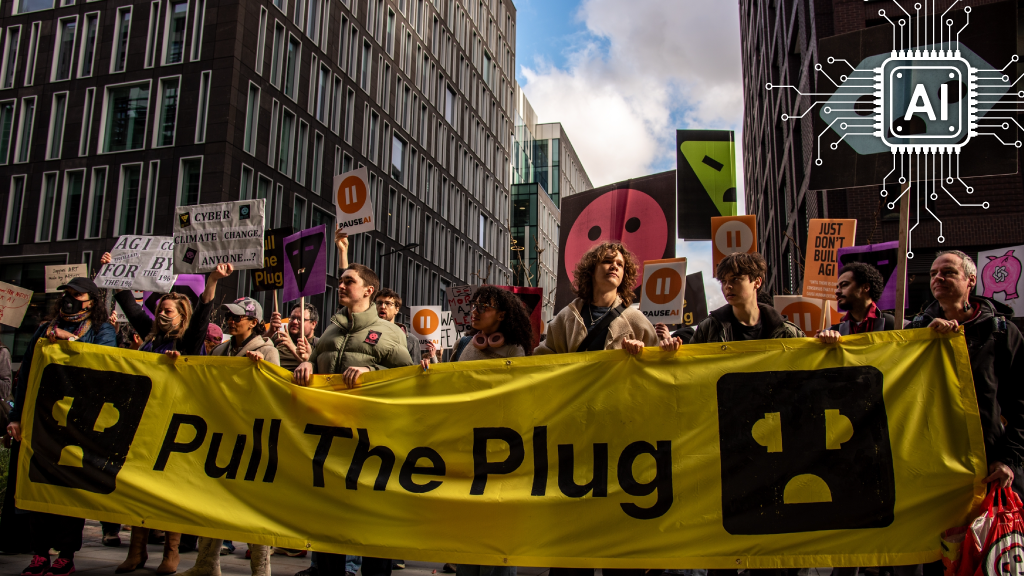
As the construction of data centres surges in the U.S., residents and activists are mounting significant opposition, threatening the industry's rapid expansion.
The United States is witnessing an unprecedented construction boom driven by the rapid expansion of data centres, with billions of dollars being invested to support the infrastructure needed for AI technologies, cloud computing, and other digital services. However, this industrial growth is increasingly met with resistance from local communities, activists, and politicians, raising concerns over the environmental and social impacts of such developments.Data centres, which were once largely unnoticed components of the technological landscape, have become contentious issues in various regions, from Virginia to Arizona. The concerns are multifaceted, encompassing rising electricity demands, excessive water use, noise pollution, and adverse effects on property values. These issues have catalyzed a significant backlash, resulting in the blocking or delaying of approximately $64 billion worth of data centre projects across the country in the past two years, according to a report published by Data Center Watch. Of this, $18 billion in projects have been outright halted, while $46 billion have faced setbacks due to intensifying local opposition.
The report highlights the emergence of at least 142 activist groups active in 24 states, who are campaigning against the proliferation of new data centres. The construction sector is experiencing a remarkable surge, with U.S. data centre construction starts projected to reach $77.7 billion by 2025, marking a staggering 190% increase from the previous year. The average size of these projects currently exceeds 613,000 square feet, with average costs surpassing $633 million.
Yet, this rapid development is increasingly clashing with local political landscapes. In Indianapolis, a striking incident occurred when over a dozen bullets were fired at the home of city council member Ron Gibson, who had supported rezoning for a new data centre initiated by Metrobloks. A handwritten note reading “No Data Centres” was discovered on his doorstep, underscoring the intensity of local opposition.
In Missouri's Festus, four council members who had approved a $6 billion data centre against community wishes faced electoral defeat. Petitions, lawsuits, and political campaigns have proliferated as residents unite to oppose these projects. Notably, the report from Data Center Watch draws parallels between the current resistance to data centres and historical opposition to factories and energy projects, dubbing data centres as the latest NIMBY (Not In My Backyard) battleground.
In Virginia, the scale of opposition is particularly pronounced, with 42 activist groups mobilizing against various developments. The proposed PW Digital Gateway project, which is estimated to cost $24.7 billion and is spearheaded by QTS Realty Trust and Compass Datacenters, has faced significant delays due to community protests and legal challenges. In Warrenton, residents successfully voted out every council member who had endorsed the proposed Amazon data centre, leading to a newly elected council that opposes the project.
Other municipalities have also seen similar outcomes, with projects in Culpeper County ($12 billion), King George ($6 billion), and Midlothian ($3 billion) experiencing delays. In Arizona, the developer Tract withdrew a proposed $14 billion project following community objections related to building heights and resource demands. In Missouri, local authorities in Peculiar amended zoning regulations to effectively ban data centres after grassroots campaigns highlighted concerns over aesthetics, noise, and property values.
Since 2022, Data Center Watch has tracked over 23 petitions garnering more than 31,000 signatures from individuals and groups opposed to data centre developments. Energy analyst Robert Bryce has noted the unique nature of the backlash against data centres, comparing it to earlier conflicts involving wind and solar projects, but emphasizing the additional concerns raised by AI infrastructure.
Bryce points out that the rapid growth of AI-driven facilities is provoking fears over rising electricity costs, water resource depletion, and distrust of large tech companies. The substantial energy and cooling requirements of modern data centres, some of which demand more electricity than small cities, contribute to these apprehensions. Furthermore, cooling systems can consume millions of gallons of water annually, especially in warmer climates, while the constant noise from operational equipment is also a major concern for nearby residents.
As local utilities face pressure to expand their capacity, communities are becoming increasingly wary of potential hikes in residential electricity prices. Construction industry analysts warn that the growing political resistance poses significant risks for developers and investors, with project cancellations quadrupling in 2025 compared to the previous year. Developers are now more frequently compelled to negotiate community-benefit agreements, redesign their projects, or seek alternative sites. Even regions historically favorable to business are reconsidering their incentives and regulatory frameworks, with municipalities in Georgia imposing moratoriums on new developments and lawmakers in Maine and Texas debating new restrictions and oversight measures.
🏷️
Arizona
Infrastructure
Virginia
construction boom
AI technology
data centres
environmental impact
community opposition
energy demand
local politics
← Previous Post
B.C. Government Funds Innovative Lightning Reduction Technology to Combat Wildfires5 months ago
Next Article →
Nova Scotia Construction Sector Council Expands Trades Exhibition Hall to Cape Breton5 months ago