Democrats Secure Control of U.S. Congress in Midterm Elections, Rejecting Trump's Policies
📅 Today
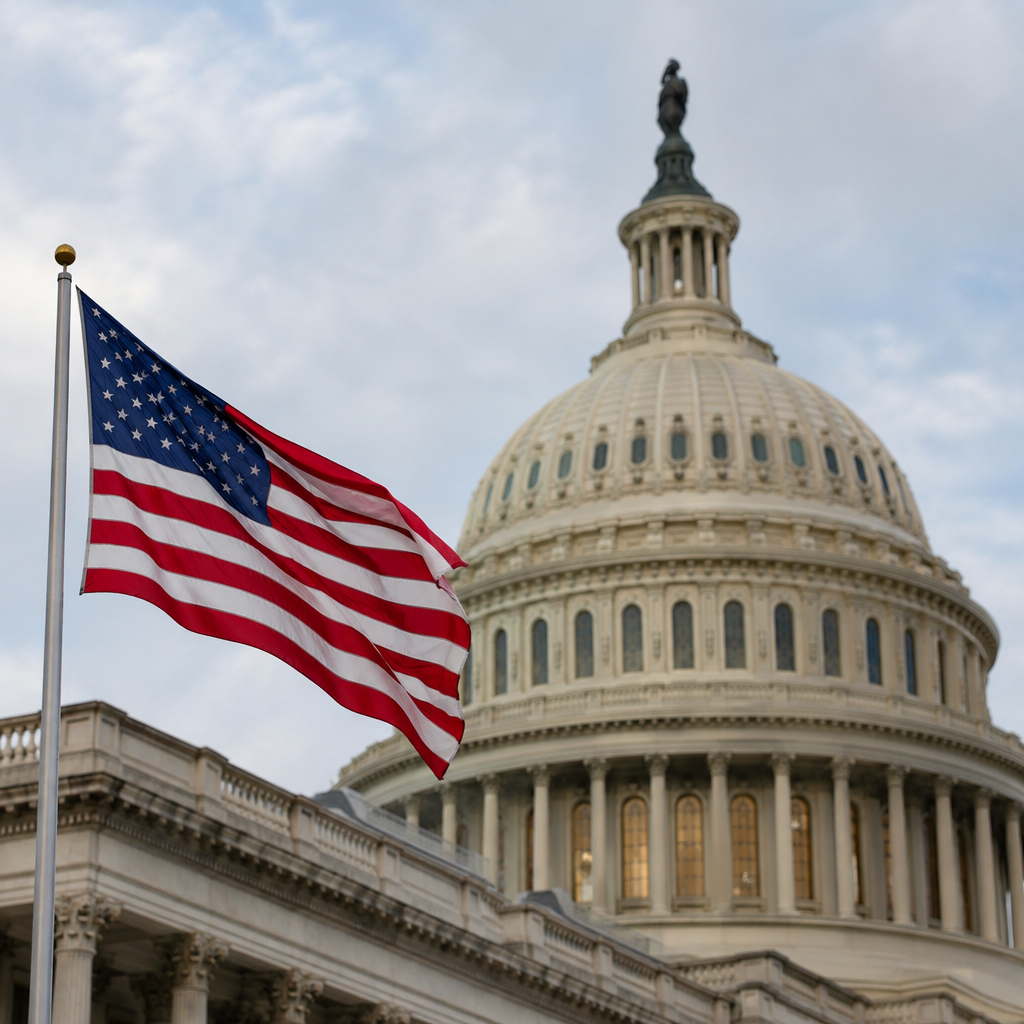
In a significant shift, Democrats gained control of the U.S. Congress during the midterm elections, reflecting widespread discontent with President Trump's administration, particularly regarding economic issues and trade relations.
DETROIT — On Wednesday morning, the political landscape in the United States shifted dramatically as Democrats took control of Congress, signaling a clear repudiation of President Donald Trump’s tumultuous second term. In a notable electoral shift, Democrats successfully flipped historically Republican-held Senate seats in Texas, Maine, and South Carolina, contributing to a larger Democratic wave that swept through House seats and down-ballot races, creating an unprecedented electoral tsunami that is poised to reverberate throughout the Republican Party.Polling data indicated a growing frustration among Americans regarding Trump’s leadership, with his approval ratings plummeting due to escalating gas and diesel prices, rampant inflation, and the unpopular conflict with Iran. This sentiment was echoed by voters who expressed their dissatisfaction with the president's policies, which have notably increased costs at gas stations and grocery stores nationwide.
The contentious trade war with Canada emerged as a pivotal issue in closely contested races in both Maine and Michigan. In Michigan, Democrat Abdul El-Sayed, a frequent target of Trump and Republican critiques, defeated GOP candidate Mike Rogers. Meanwhile, in Maine, Democrat Troy Jackson ended the nearly three-decade tenure of Republican Susan Collins. The backlash against Trump’s Canada trade policies was particularly pronounced in Michigan, where the Republican candidate had to distance himself from Trump’s stance on tariffs to appeal to voters.
El-Sayed has consistently criticized the trade war as illogical, and voters from both major parties in Michigan voiced their desire for an end to the trade tensions. Mark Pospisil, a 43-year-old voter, articulated a common sentiment: "We should be friendly with our neighbours," reflecting a broader desire for improved U.S.-Canada relations.
The Michigan race garnered significant national attention, with Trump and Republicans making derogatory remarks about El-Sayed’s religion and background. Upon learning of his victory, El-Sayed addressed Trump and his administration, humorously noting the repeated mispronunciation of his name. "So after JD (Vance) swears me in in January, you can just go on and call me senator," he stated to the applause of supporters.
In Maine, Trump had attempted to bolster Collins’ campaign by adjusting tariffs on a range of Canadian goods, hoping to provide relief to industries adversely affected by the tariffs. Despite these efforts, the Democratic wave overwhelmed Collins in response to rising energy costs and a significant drop in Canadian tourism.
Voter frustration was palpable in traditionally Republican strongholds, as demonstrated by James Talarico’s victory in Texas, where he broke a longstanding Democratic losing streak by defeating Trump-aligned Ken Paxton. This election cycle has signaled a potential turning point in American politics, as dissatisfaction with Trump’s policies has mobilized voters across the nation to seek change.
🏷️
midterm elections
political shift
Republican Party
Democratic Party
energy prices
trade war
Infrastructure
Canada
inflation
U.S. Congress