Vancouver Forum Explores Safety's Business Impact on Construction
📅 Today
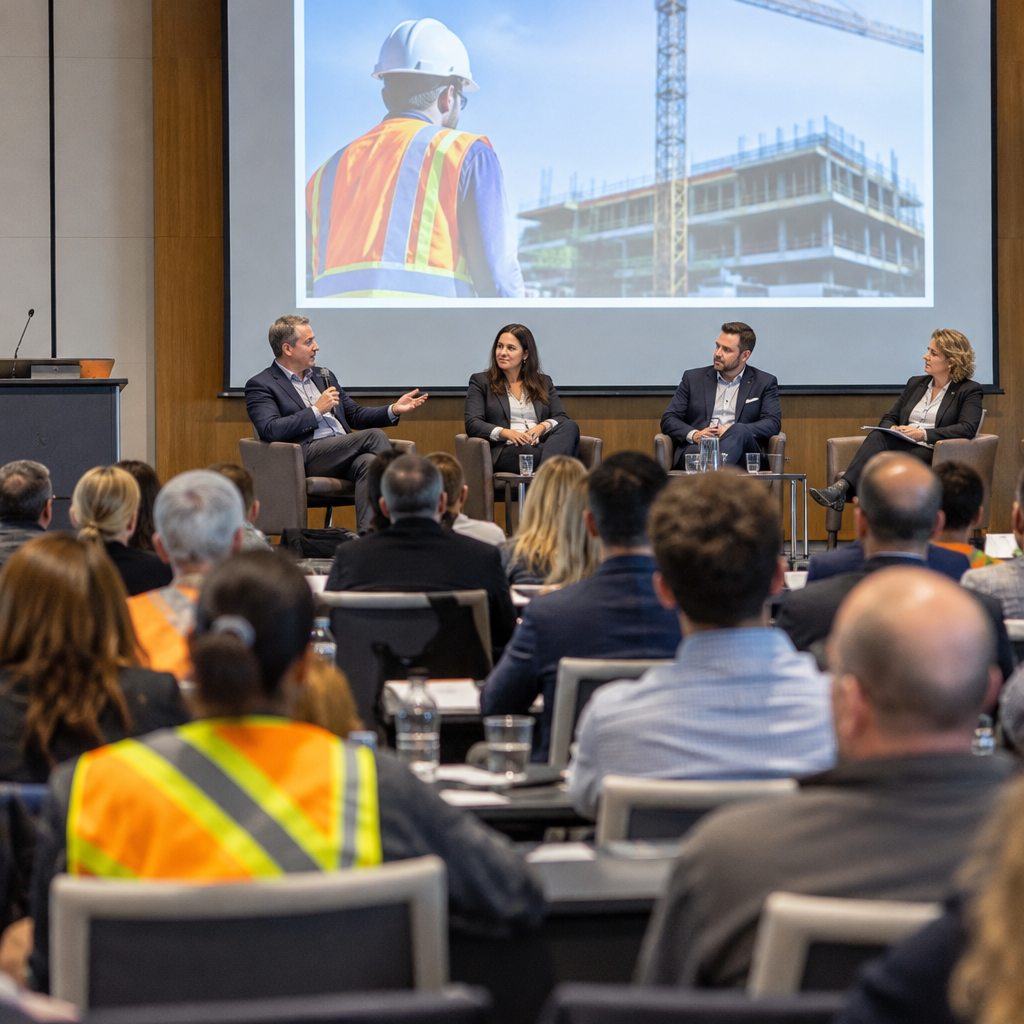
The Vancouver Regional Construction Association held a forum discussing the intersection of workplace safety and business performance in the construction industry, featuring insights from industry leaders and safety experts.
The Vancouver Regional Construction Association (VRCA) recently hosted its All-Division Forum entitled 'The Business Side of Safety,' which attracted over 75 construction professionals from the region. The central theme of the discussions revolved around how workplace safety influences various business aspects of the construction sector, including risk management, company reputation, competitiveness, and overall access to work for individual firms and the industry as a whole.Facilitating the forum were notable VRCA board members, including Mike Wallis, the regional business development and sales manager at Flynn Canada Ltd., and Craig Enns, who serves as senior vice-president and area manager at EllisDon. Also contributing to the dialogue were Dr. Dave Baspaly, president of the Council of Construction Associations (COCA), and Mike McKenna, executive director of the BC Construction Safety Alliance (BCCSA).
In addition to addressing the tangible aspects of safety, the forum also delved into psychological health and peer support mechanisms, highlighting BCCSA’s RE-MIND and Well-Being and Recovery Hub resources. According to data from WorkSafeBC (WSBC), over the past decade, the overall time-loss injury rate within the construction sector has seen a 25% decline, while the serious injury rate has decreased by 32%. Despite these advancements, WSBC notes that construction remains one of the highest-risk industries in British Columbia, with a renewed focus on the hazards that contribute to severe injuries.
Among the significant causes of serious injuries are falls from heights and incidents involving workers being struck by mobile equipment. Additionally, musculoskeletal injuries due to overexertion continue to be prevalent. McKenna remarked that while the industry has made strides in reducing non-fatal injuries, the rates of serious and fatal injuries persist as ongoing challenges. 'Construction is an inherently dangerous line of work, and when things go wrong, they often go really wrong,' he stated.
Enns emphasized that fostering a robust safety culture is essential for building trust, attracting and retaining skilled workers, and cultivating resilient businesses. He articulated that integrating safety as a business imperative means embedding it into the daily operations and leadership practices of organizations.
A key point of discussion at the forum was the necessity for the construction industry to take proactive measures in enhancing safety outcomes rather than waiting for external solutions to be imposed. Examples of such initiatives include investing in leadership development, sharing best practices among organizations, bolstering psychological health resources, and creating environments where workers feel empowered to voice safety concerns.
'Construction is a collaborative industry, and many of the best ideas come from contractors, owners, trades, associations, and workers collaborating to identify practical solutions tailored to the realities of our worksites,' Enns added. The overarching goal is to continuously improve safety performance while nurturing a culture where every individual feels accountable for achieving it.
Baspaly highlighted the financial implications of a company's safety record, noting that safety performance directly affects an employer's insurance costs. He explained that through WorkSafeBC’s experience rating system, the safest companies can qualify for discounts of up to 69% on their insurance premiums, while those with poor safety records may incur surcharges as high as 163%. Furthermore, serious incidents can lead to stop-work orders, delays in project timelines, legal repercussions, and significant damage to a company’s reputation.
Many owners and general contractors now require a Certificate of Recognition (COR) certification or a solid safety record before considering a bid. 'In a tight labor market, workers are more likely to stay with firms where they feel safe,' Baspaly noted. 'A safe site is a well-run site; the planning, supervision, and housekeeping that maintain safety are the same elements that drive productivity.'
The Business Side of Safety forum took place in September. VRCA president Jeannine Martin stated that the association’s forums serve as a platform for the industry to ask questions, share experiences, and collaboratively shape solutions to advance the sector. Insights and feedback gathered from this forum will inform VRCA’s future initiatives, education efforts, and advocacy related to safety. Looking ahead, the next series of Division Forums is scheduled for November 9, 10, 12, and 13, during which discussions will focus on the implications of municipal and provincial election outcomes for the construction industry, as well as strategies for trade contractors to safeguard their businesses through proactive contract management and awareness of early warning signs.
🏷️
construction industry
psychological health
workplace safety
Vancouver
insurance costs
safety
Construction
VRCA
injury rates
peer support