Electrical Hazards Pose Significant Risks for Non-Electrical Workers in B.C.
📅 5 months ago
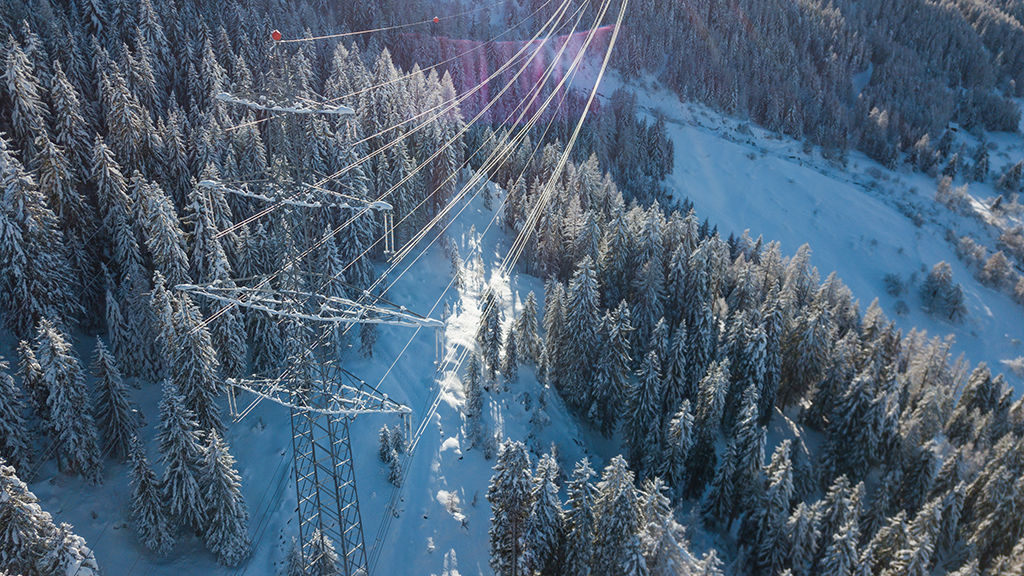
Recent data reveals that electrical incidents predominantly affect non-electrical workers, prompting BC Hydro and WorkSafeBC to emphasize the need for increased safety awareness.
In British Columbia, a recent collaboration between BC Hydro and WorkSafeBC has unveiled alarming statistics indicating that electrical hazards predominantly impact workers who are not part of the electrical trades. According to data from WorkSafeBC, a staggering 74 percent of claims—spanning short-term, long-term, and fatal incidents—related to power line contact from 2015 to 2025 involved individuals engaged in non-electrical occupations. This trend is further corroborated by a new survey conducted by BC Hydro, which highlights a concerning gap in electrical safety awareness among these workers.The survey revealed that while many individuals are aware of the necessary distances to maintain from overhead power lines, 41 percent were unable to correctly identify the specific required distance. Additionally, there is a notable lack of awareness regarding underground electrical hazards, with 42 percent of respondents either unfamiliar with or unsure about BC 1 Call, the service that must be contacted before any digging activities. Nearly 15 percent of those surveyed were uncertain about the proper steps that should be taken prior to commencing excavation work.
Matt Wilson, the senior vice-president of safety at BC Hydro, emphasized the seriousness of electrical hazards on job sites, particularly for workers whose primary responsibilities do not involve electrical work but who frequently operate in proximity to power lines. "As workloads increase over the summer months, so does the risk of injury," he stated.
Data from WorkSafeBC indicates that over the past decade, there have been 688 orders issued for violations concerning the required separation distances from energized high-voltage equipment, with 531 of these orders directed at employers within the construction sector. Todd McDonald, who heads prevention services at WorkSafeBC, remarked, "These numbers make it clear that electrical safety is not just an issue for electricians or power line workers."
He urged employers whose workers operate near power lines—whether in construction, window washing, or other fields—to ensure that their teams are well-informed about the minimum approach distances. Workers are required to maintain at least three meters (10 feet) from power lines, with the possibility of needing greater separation based on the task at hand.
To mitigate risks, workers and employers are advised to adhere to several key safety practices: First, they should familiarize themselves with the Occupational Health and Safety Regulation and WorkSafeBC guidance to grasp minimum approach distances and necessary safeguards. Second, it is crucial to conduct thorough inspections for both overhead and underground power lines before starting any work, ensuring that the three-meter distance is maintained—or more, if the job requires it.
Additionally, workers should select appropriate equipment, avoiding conductive ladders like metal or aluminum near power lines, while favoring fiberglass ladders that decrease risk, although they do not eliminate electrical dangers entirely. Lastly, if workers come across any downed, damaged, or low-hanging power lines or underground cables, they are advised to treat them as live and dangerous, keeping a safe distance of at least 10 meters (33 feet) and contacting emergency services if necessary.
🏷️
power lines
construction safety
non-electrical workers
hazard awareness
electrical safety
Safety Training
Construction Sector
occupational health
BC Hydro
WorkSafeBC
← Previous Post
Marigold Infrastructure Partners Fined $120,000 Following Worker Injury on Edmonton LRT Project5 months ago
Next Article →
Canada’s Building Trades Unions Launch Indigenous Reconciliation Action Plan5 months ago