Ensuring Safety in Excavation: Five Steps to Prevent Utility Strikes
📅 2 months ago
This article outlines the essential steps for safe excavation to prevent utility strikes, emphasizing the importance of information and responsible action in the construction process.
In a six-part feature series by the Journal of Commerce, BC 1 Call delves into the unique nature of an industry where success is often defined by the absence of incidents. Notably, the most significant accomplishments seldom make headlines, while a single preventable error can disrupt daily life dramatically. The series commenced with an exploration of how the future of construction must be built on a foundation of past experiences. It progressed to address the necessity for critical infrastructure investments to consider subterranean elements. The third installment focused on the repercussions of utility strikes, while the fourth part delineates five fundamental steps that can ensure safety and maintain project momentum.A common thread among utility strikes is the prevalent belief that individuals possess sufficient knowledge about what lies beneath the surface. Whether it's a homeowner putting up a fence, a municipality upgrading a watermain, or a contractor erecting a new hospital, the safety of excavation hinges not merely on experience but on the diligent replacement of assumptions with accurate information. This information then needs to be transformed into responsible actions. Each successful excavation is characterized by a methodical sequence of decisions designed to mitigate uncertainty prior to disturbing the ground.
The damage prevention sector has long advocated for the mantra, "Click or Call BC 1 Call," underscoring its significance. However, this phrase can inadvertently simplify the complexities involved in safe excavation. The goal is not merely to make a free locate request but to initiate a collaborative process among excavators, utility owners, and all stakeholders tasked with safeguarding the intricate infrastructure beneath British Columbia.
In the event of a utility strike, the concern typically isn't whether information was accessible but rather if that information was adequately requested, comprehended, verified, and adhered to throughout the project's duration. The first safety step emphasizes the importance of completing a free BC 1 Call locate request at least three days prior to any ground disturbance activities. This may seem straightforward, yet data indicates that around 70% of reported utility strikes occur without a corresponding BC 1 Call ticket. Factors such as time constraints, familiarity with a site, or the perception that a task is minor often lead individuals to erroneously assume they have sufficient knowledge to proceed.
When professionals in damage prevention are queried about the most common statement made after a utility strike, the response is consistently, "I was sure I knew where it was." A BC 1 Call ticket acts as confirmation that a locate request has been processed but does not indicate clearance for excavation. Therefore, it is crucial for excavators to thoroughly review all responses from utility owners before commencing work. This includes confirming who has replied, understanding the type of infrastructure present, and recognizing any instructions or additional actions needed prior to excavation.
Additionally, understanding the provided locate documentation is essential before breaking ground. Although underground infrastructure records have improved over time, they are not definitive engineering drawings. They offer the best available information but may not reflect current field conditions due to various factors, including past repairs, soil condition changes, relocations, or incomplete historical records. Excavators are encouraged to ask questions and seek clarification, as each package of information includes contact details for further support. Experienced excavators know that while locate information informs their decisions, it cannot substitute for sound judgment.
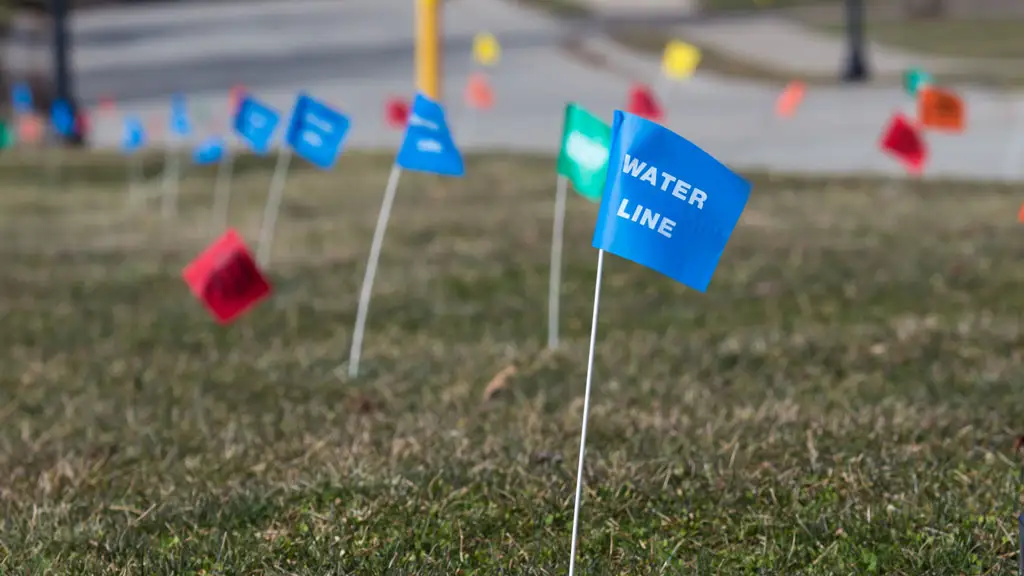
The fourth safety step involves adequately and safely exposing underground assets before mechanical excavation near such infrastructure begins. Many projects depend on trained utility locators who utilize specialized equipment to identify and mark the approximate locations of buried utilities with standardized color-coded paint and flags. These markings serve as critical references but do not provide definitive answers regarding the exact depth or condition of the utilities. Thus, it is essential to expose buried facilities using accepted practices, which may include hand digging, hydro-vac excavation, or potholing.
Hand digging is often misunderstood; it involves a controlled process aimed at positively identifying buried infrastructure and is not merely using a shovel instead of machinery. For high-pressure gas lines, a designated "no mechanized dig zone" is established, measuring one meter from the pipe's outer diameter, prohibiting mechanical excavation within that radius. Excavators must carefully reveal the utility until its precise location, depth, and alignment are confirmed. Should the underground asset be found in an unexpected location, excavators are advised to stop work and contact the utility owner instead of proceeding based on assumptions.
The fifth step emphasizes the ongoing responsibility of protecting underground assets throughout the project duration. Once a utility is exposed, it marks the beginning of a new obligation—not the conclusion. Throughout the excavation process, exposed pipes, conduits, or cables may necessitate temporary support and protection to prevent damage or undue stress. Damage prevention is not a one-time event but an active duty that continues until excavation is concluded and the ground is safely restored. When consistently applied, these five safety steps represent one of the most effective public safety measures within British Columbia's construction landscape.
Next week, the series will continue with a focus on how data-driven initiatives in British Columbia are enhancing the understanding of underground infrastructure. The evolving landscape of geospatial data is being shaped by trusted organizations working collaboratively to ensure that critical data is both connected and authoritative, ultimately fostering safer excavation and better infrastructure planning.
Donna Grant, the president of BC 1 Call, has dedicated her career to bridging the gaps between infrastructure, construction, public safety, stakeholder collaboration, and organizational leadership. Through the Beneath BC series, she aims to shed light on the opportunities and challenges that will dictate the future of underground infrastructure in British Columbia.
🏷️
risk management
British Columbia
utility strikes
damage prevention
construction industry
public safety
BC 1 Call
excavation safety
underground infrastructure
construction practices
← Previous Post
Federal Government Extends $100 Million Loan to Millar Western Lumber Amid Tariff Challenges2 months ago
Next Article →
House Committee Discusses Revenue-Sharing Agreement for Gordie Howe International Bridge2 months ago