Federal Government Moves to Fast-Track Alberta-B.C. Oil Pipeline as National Interest Project
📅 2 months ago
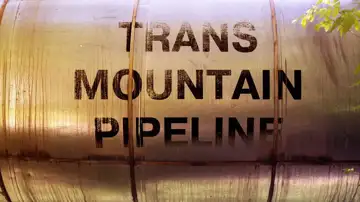
The Canadian federal government is working to designate a proposed oil pipeline from Alberta to British Columbia as a national interest project, enabling expedited approvals and potentially bypassing some environmental regulations.
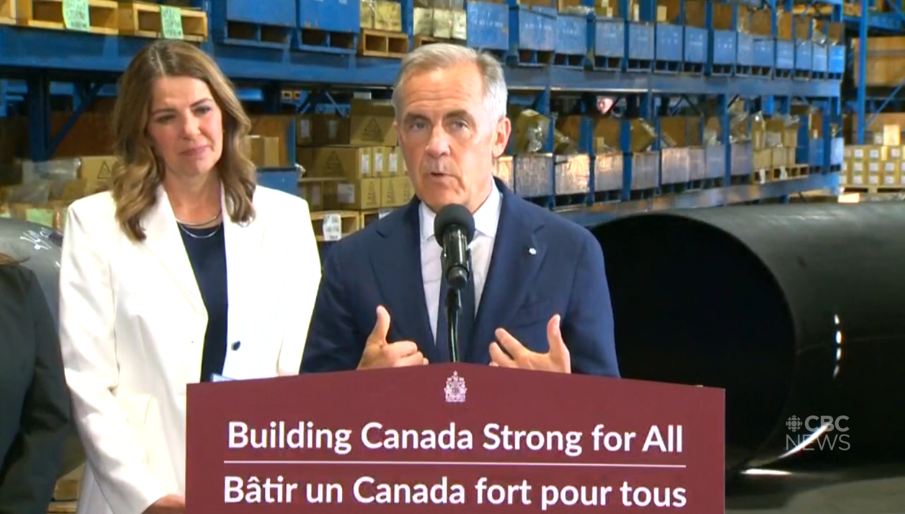
In a significant development for the Canadian energy sector, the federal government is progressing towards designating a proposed oil pipeline to the West Coast as a project of 'national interest.' This designation, as outlined under the Building Canada Act, permits the government to accelerate the approval process and potentially bypass certain environmental regulations that might typically apply. A notice detailing this initiative was published in the Canada Gazette on August 1, which establishes a deadline of September 18 for stakeholders to submit their comments regarding the national interest designation.Intergovernmental Affairs Minister Dominic LeBlanc is leading the charge, indicating that he will collaborate closely with officials from both the Alberta and British Columbia governments. Simultaneously, consultations with Indigenous communities are being conducted to address any concerns and gather input on the project.
The proposed pipeline is a crucial element of a broader energy agreement between the federal government and Alberta, highlighting its significance not just for the province but for Canada’s energy strategy as a whole. The pipeline is designed to transport up to one million barrels of crude oil daily from Bruderheim, Alberta to a port located near Delta, British Columbia. This route is intended to facilitate shipments to international markets, thereby enhancing Canada’s position in the global oil trade.
The implications of designating this pipeline as a national interest project are profound. Not only does it signal the government’s commitment to advancing energy infrastructure, but it also reflects ongoing tensions and negotiations surrounding environmental policies and Indigenous rights. The ability to fast-track such a project may raise concerns among environmental advocates who fear the potential repercussions on local ecosystems and communities.
As the September deadline for comments approaches, all eyes will be on the responses from various stakeholders, including Indigenous groups, environmental organizations, and the general public. The outcome of these consultations will likely play a pivotal role in shaping the future of this pipeline and may set precedents for similar projects in the future.
In summary, the federal government’s actions represent a decisive step in the ongoing dialogue about energy development in Canada, balancing economic interests with environmental and social considerations. The pipeline’s progress will be closely monitored as it progresses through the necessary approvals and consultations in the coming months.
🏷️
environmental regulations
national interest
Infrastructure
Building Canada Act
oil pipeline
Canada
British Columbia
Indigenous consultations
energy
Alberta
Related Posts