The Housing Crisis in Ontario: A Growing Challenge for Young Residents
📅 2 months ago
A recent poll reveals that over half of Greater Toronto Area residents are considering relocating to more affordable cities due to skyrocketing housing prices. This reflects a significant shift in Ontario's housing market, with affordability becoming a pressing issue for younger generations.
Once regarded as a significant milestone of adulthood, homeownership in Ontario has become increasingly elusive for many young people, resembling a lottery win rather than a realistic goal. A recent poll conducted for Royal LePage highlights this shift, revealing that 55% of residents in the Greater Toronto Area would contemplate moving to a more affordable Canadian city if job opportunities were available. Cities such as Edmonton, Thunder Bay, Charlottetown, and Windsor-Essex have emerged as attractive alternatives for those priced out of the housing market in Ontario.This trend underscores a profound transformation in Ontario's housing landscape, where the dream of homeownership is slipping away from younger generations. The data tells a compelling story: over the last quarter-century, the ratio of house prices to income in Ontario has nearly doubled. At the turn of the millennium, homes typically cost about three to four times a household’s annual income. However, by the peak in 2021-22, that ratio had escalated to seven to nine times income in many urban areas. Although rising interest rates have somewhat cooled prices, the situation remains dire as affordability continues to plummet compared to historical standards.
Consequently, many Ontarians are now considering options that would have seemed unthinkable to previous generations, such as relocating hundreds or even thousands of kilometers away in pursuit of homeownership. This trend poses a significant challenge to Ontario's economy, as it becomes increasingly difficult for workers to remain in the province's largest urban center while chasing basic middle-class aspirations.
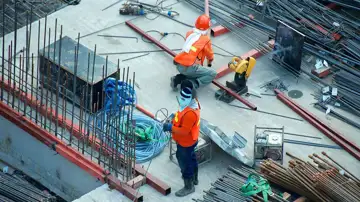
Compounding the issue, Ontario's housing construction is experiencing a sharp downturn. A report prepared for RESCON by the Missing Middle Initiative at the University of Ottawa reveals a troubling trend: housing starts across 50 Ontario municipalities fell by 31% in the first quarter of 2026 compared to the previous year. In Toronto specifically, the situation appears even more critical, with housing starts plummeting by 47% and home sales dropping by 69%. The construction industry has also been affected, losing over 10,300 jobs in this period. Particularly concerning is the impact on condominium construction, which has historically been a significant source of new housing supply in urban areas, with starts down 60% compared to average levels from 2021 to 2025.
These statistics indicate that the Ontario housing market is struggling to meet demand rather than making progress toward alleviating a housing shortage. While governments deserve recognition for acknowledging the problem – with Ottawa and Queen’s Park introducing temporary HST rebates and agreements to lower development charges on new housing projects – these measures have yet to make a substantial difference in the affordability crisis. The fundamental issue remains: the tax burden on housing is exceptionally high. According to RESCON, taxes and government-imposed charges constitute approximately 36% of the purchase price of a new home in Ontario, meaning that over a third of the cost arises from these financial burdens before families even move in.
The urgent need to address the impact of government-imposed costs on new housing is clear, as housing is essential to the economic vitality of the nation. Presently, housing is taxed similarly to luxury items such as alcohol and tobacco, which are not basic needs. This approach must change.
The decline in construction activity is concerning not just for potential homebuyers but also for policymakers focused on economic development, as it impacts employment within the industry. Perhaps most alarmingly, the housing crisis appears to be influencing family formation and birth rates. Toronto’s fertility rate has dwindled to an alarming 1.11 children per woman, significantly below Canada's national rate of 1.25 and far beneath the replacement level of 2.1 needed to maintain population levels without substantial immigration. Researchers increasingly identify housing affordability as a crucial factor in this trend. Statistics Canada has reported that 37% of Canadians aged 15 to 49 do not believe they can afford to have a child in the next three years, with nearly one-third citing a lack of adequate housing as a barrier to starting or expanding their families.
When young couples delay homeownership, they often postpone plans for children and may even abandon those aspirations altogether. This reality illustrates how the housing crisis is not only reshaping where people choose to live but also affecting how they live and whether they pursue significant life goals. As a result, younger Ontarians are increasingly skeptical about their prospects for homeownership. Polls consistently indicate that, while they recognize that governments are finally addressing housing issues, many feel that substantial progress remains elusive. Surveys show that fewer than half of Ontarians aged 18 to 38 believe that homeownership is attainable.
This skepticism is understandable. If governments aim to encourage young people to establish their futures in Toronto and Ontario, they must confront the underlying costs that contribute to exorbitant housing prices. While temporary measures may offer slight relief, lasting reductions in taxes, fees, development charges, and regulatory barriers will be essential to significantly boost housing supply and lower prices. Without these changes, Ontario risks becoming a place where young individuals can find employment but struggle to secure homes, raise families, and build their futures.
🏷️
housing market
condominium construction
tax burden
Greater Toronto Area
construction industry
homeownership
economic growth
Affordability
Ontario housing crisis
family formation
← Previous Post
Federal Government Moves to Fast-Track Alberta-B.C. Oil Pipeline as National Interest Project2 months ago
Next Article →
Toronto's Property Tax and Utility Relief Programs Aid Residents in Managing Housing Costs2 months ago
Related Posts