
Indigenous Groups Offered 15% Stake in Trans Mountain Pipeline by Canadian Government
📅 Today
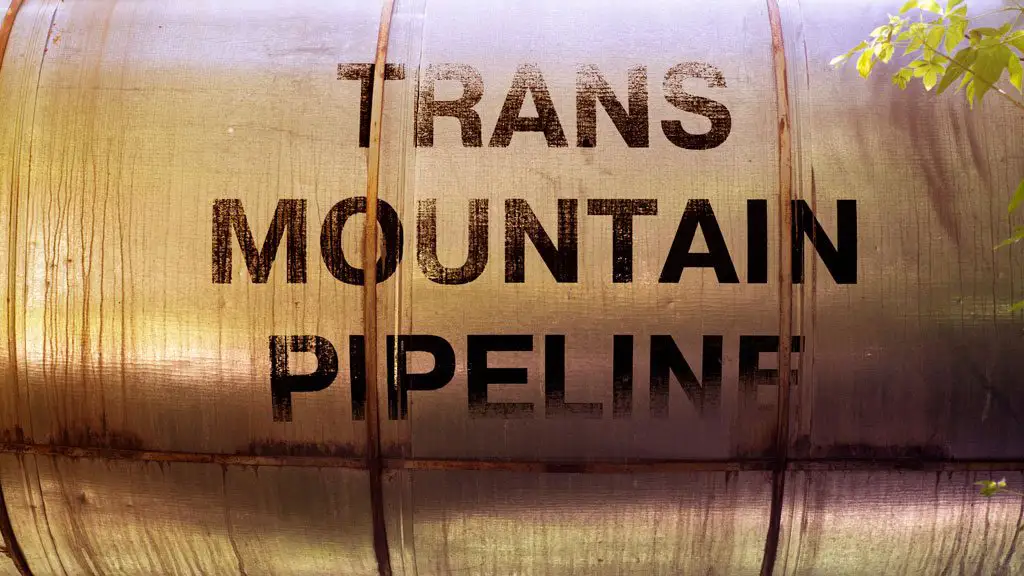
The Canadian government has proposed a 15% ownership stake in the Trans Mountain pipeline for Indigenous groups, promoting economic reconciliation and participation in key infrastructure projects.
OTTAWA — In a significant move towards economic reconciliation, the Canadian government has extended a collective offer of a 15 percent ownership stake in the Trans Mountain pipeline to Indigenous groups. This initiative aims to fulfill a long-standing commitment to provide First Nations with equity in the federally owned infrastructure that connects Alberta's crude oil to an export terminal in the Vancouver area.A letter addressed to a First Nation along the pipeline's route, which was reviewed by The Canadian Press, revealed that the equity investment would be distributed equally among participating Indigenous groups via a low-cost government-provided loan. This step comes after extensive consultations and discussions with 129 First Nations, as indicated by John Fragos, a spokesperson for Finance Minister François-Philippe Champagne.
The government is currently assessing interest levels among Indigenous nations, which will help shape the specifics of the offer, including the potential size of individual stakes and the terms for participation. "The government’s position on economic reconciliation is long-standing and clear: Indigenous communities must be able to participate in and directly benefit from the projects shaping Canada," Fragos stated.
In addition to the ownership stake, each Indigenous nation that opts to invest in the Trans Mountain pipeline is set to receive $2.5 million. This compensation is intended to address the revenue that these communities might have earned had Indigenous ownership been established in previous years. “We’re making up for lost time,” Fragos added in a follow-up conversation.
Furthermore, the letter highlighted that Ottawa will allocate up to $100,000 to eligible groups to cover participation costs, while also providing independent advisors to help with due diligence. The government plans to share further details during a series of in-person meetings scheduled in Vancouver, Victoria, Kamloops, and Edmonton toward the end of October.
The Trans Mountain pipeline, along with its expansion project and related assets, was acquired by Ottawa for $4.5 billion in 2018 after Kinder Morgan investors expressed concerns regarding regulatory uncertainties that made the investment appear too risky. As part of its commitment, the government pledged to explore avenues for Indigenous economic participation in the expansion, which affects 129 Indigenous communities potentially impacted by the project.
The expansion, which commenced operations in 2024, boosted the Trans Mountain system’s capacity from approximately 300,000 barrels per day to around 890,000 barrels per day. Finance documents released at that time indicated that Ottawa intended to facilitate access to capital for Indigenous groups interested in acquiring a stake in the Trans Mountain pipeline. These documents also suggested that the Indigenous stake could be managed collectively through a special-purpose vehicle, granting participating groups governance rights and a share of the revenue generated by the pipeline. However, until now, the government had not publicly disclosed the size of the ownership stake available for Indigenous groups.
🏷️
Trans Mountain pipeline
government loan
Indigenous ownership
pipeline expansion
Infrastructure
oil and gas
First Nations
equity investment
economic reconciliation
Canadian construction
Related Posts