Federal Government Allocates Over $50 Million for Salmon Hatchery Projects in British Columbia
📅 2 weeks ago
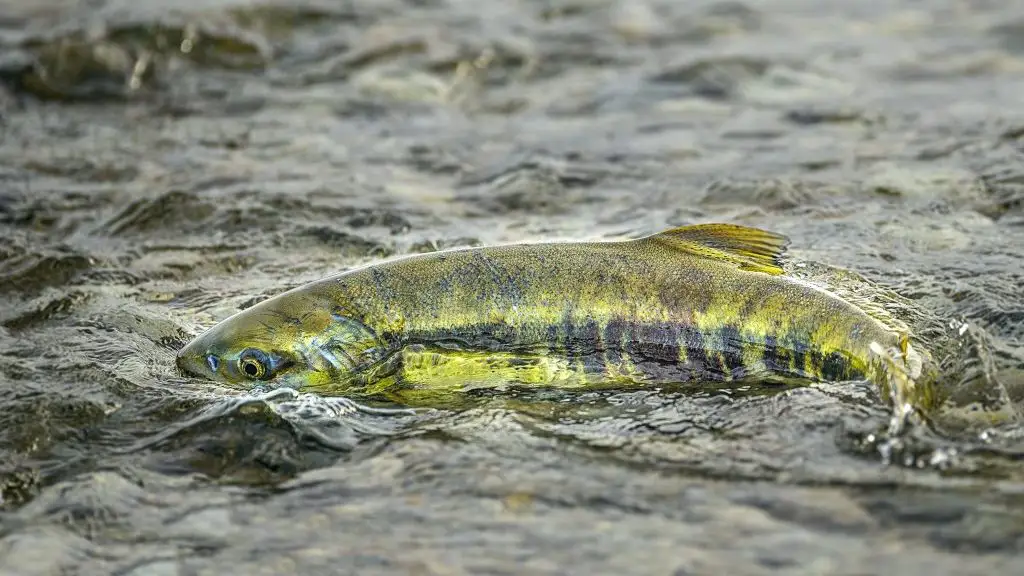
The federal government has announced significant funding for three salmon hatcheries in British Columbia, emphasizing conservation efforts in partnership with First Nations.
In Prince George, British Columbia, the federal government has unveiled a commitment exceeding $50 million to fund the construction of three distinct hatcheries aimed at bolstering salmon conservation initiatives. According to Fisheries and Oceans Canada, these projects will be built on traditional First Nations territories or will be operated in collaboration with local nations, highlighting a commitment to Indigenous partnership in environmental stewardship.The most substantial of these contracts, valued at $38 million, is designated for the construction of the Upper Fraser River Salmon Conservation Hatchery. This facility will be strategically located near the confluence of the Nechako and Fraser rivers, within the territory of the Lheidli T’enneh First Nation. This hatchery is expected to play a pivotal role in the conservation of salmon populations in the region.
In addition to the Upper Fraser project, two further contracts have been allocated, each amounting to approximately $7.5 million. One of these will facilitate the construction of a hatchery near Hanceville, situated in the central Interior of British Columbia. This facility will be under the operational management of the Tŝilhqot’in First Nation once completed. The third project pertains to the next phase of the Wilp’Ho Dix Hatchery, located within the Skeena River system in northwestern British Columbia, which will be co-managed by the federal government and the Gitanyow First Nation.
Fisheries Minister Joanne Thompson expressed the government’s commitment to these conservation efforts, noting that the Upper Fraser hatchery will be owned and operated by the federal government, while operations for the other hatcheries will reflect a collaborative approach with Indigenous communities.
Collectively, these three hatcheries are anticipated to possess the capacity to raise over one million juvenile Chinook and sockeye salmon each year, significantly contributing to local salmon populations and the ecological balance of the region. This initiative not only supports biodiversity but also reinforces the partnership between the government and First Nations in managing and conserving natural resources.
🏷️
British Columbia
Indigenous partnership
Fisheries and Oceans Canada
salmon hatchery
Chinook salmon
sockeye salmon
conservation
environmental projects
First Nations
sustainable construction
← Previous Post
New Brunswick Approves 500-Megawatt Natural Gas Plant Amid Energy Security Concerns2 weeks ago
Next Article →
Saskatchewan Mandates Canadian Ownership for New Data Centres and Requires Self-Sustaining Power2 weeks ago