FiveNines Group Achieves LEED Gold Certification for New Data Centre in Amsterdam
📅 2 months ago
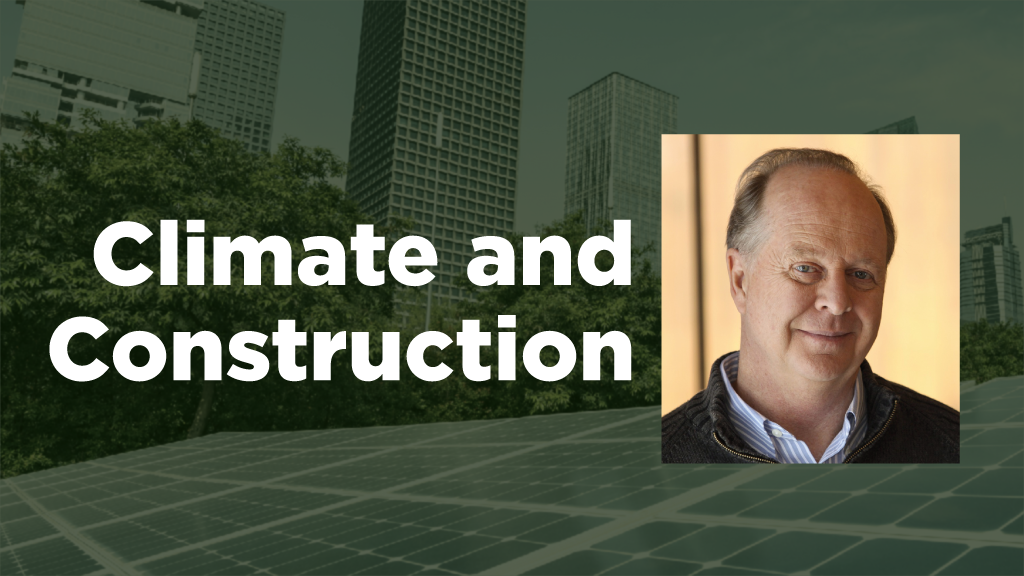
The completion of a 9.6 MW data centre by FiveNines Group in Amsterdam, which has received LEED Gold certification, highlights the growing trend of sustainable construction in the data centre sector.
In a notable development within the realm of sustainable construction, U.K.-based FiveNines Group has successfully completed a 9.6 MW data centre in Amsterdam, Netherlands, which has achieved the esteemed LEED Gold certification. This standard is recognized globally for its emphasis on energy efficiency, water conservation, and responsible material use, making it a significant milestone in the ongoing discussions about the environmental impact of data centres.What sets this project apart is not only its sustainability credentials but also its exceptional safety performance. Completed under a full general contractor model, the data centre was delivered on schedule, with a peak workforce of 560 individuals logging an impressive 832,000 working hours without a single lost-time incident. This achievement was facilitated by proactive wellbeing initiatives and daily leadership tours conducted by the Environmental, Health, and Safety (EHS) team, coupled with a Positive Safety Recognition program.
Gerry Curran, CEO of FiveNines, expressed his pride in the project, commending the dedication and professionalism of the project team and supply chain partners. "We are delighted to have successfully delivered a data centre in partnership with an international client," Curran stated. "This milestone demonstrates the capability of FiveNines to execute complex infrastructure projects while maintaining exceptional safety and environmental performance."
The significance of LEED-certified data centres is gaining momentum globally. Currently, there are over 1,797 LEED-certified or registered data centres worldwide, encompassing more than 542 million square feet of digital infrastructure. As the demand for AI and cloud computing continues to grow, tech giants and colocation providers are increasingly leveraging the U.S. Green Building Council’s (USGBC) LEED framework to manage their considerable energy and water footprints. The USGBC reported a remarkable 188% increase in LEED registrations for data centres between 2021 and 2024, with certifications rising by 97% in the same timeframe. Notably, LEED certifications at the Platinum level have doubled within just two years.
The USGBC emphasizes the importance of building better data centres, stating, "If building more data centres is inevitable, building better ones is essential." LEED certification serves as a vital tool for establishing a framework that promotes high-performance buildings, which inherently reduce energy use, enhance water efficiency, and lower carbon emissions without compromising operational reliability.
Geographically, China stands out as a leading player in the global landscape of LEED-certified data centres, boasting the highest total square footage of such facilities. North Asia has emerged as a regional leader, showcasing the highest percentage of top-tier green facilities. India is also making significant strides in sustainable digital infrastructure, with over 60% of its certified data centres achieving the prestigious LEED Platinum rating. A prime example is the ITC Sankhya Data Centre in Bengaluru, which was the first in the world to be awarded LEED Zero Carbon certification.
In North America, while there is a notable concentration of data centres in states like Virginia, the region is still working to catch up in terms of LEED certifications. Recent federal legislation introduced in the U.S. mandates that new facilities must achieve LEED certification to qualify for existing federal tax incentives. Among the noteworthy LEED-certified facilities in the U.S. are the Advanced Data Centres in Sacramento, California (pre-certified Platinum), and a geothermal-cooled data centre operated by American College Testing in Iowa.
To expedite global deployment, some hyperscale tech firms have begun developing standardized facility designs that inherently comply with LEED criteria. For instance, Microsoft has created an authorized design template that ensures its international data centres, like the high-density hubs in Singapore, utilize 100% recycled water and employ water-cooled chillers to attain LEED Gold certification.
In Canada, data centre expansion is gaining momentum, with several facilities achieving LEED certification. The recently inaugurated Cologix MTL8 Facility in Montréal has earned Gold Certification under the LEED v4 BD+C: Core and Shell rating system. However, not all projects are receiving accolades; Meta’s announcement of a new 1,800 MW data centre in Sturgeon County, Alberta, has faced criticism from environmental groups. The Pembina Institute has raised concerns that this facility will require more electricity than the entire city of Calgary and will depend on a combination of grid power and a new natural gas plant, which raises issues about sustainability and emissions.
The USGBC has specific guidelines for data centre calculations, as the energy consumption of server infrastructure far exceeds that of typical building operations. Self-generated natural gas power can adversely affect a data centre’s LEED score by increasing its total energy consumption and Scope 1 emissions, limiting its qualification for LEED Zero Carbon certification. To maximize LEED points, data centres are encouraged to procure green power through Power Purchase Agreements, Renewable Energy Certificates, or carbon offsets.
In conclusion, the shift towards LEED-certified facilities is evolving from a mere symbol of corporate responsibility to a strategic necessity. As the digital landscape continues to expand, designing for resilience, efficiency, and sustainability is essential for future-proofing infrastructure. The path to a greener digital future begins with these foundational efforts.
🏷️
sustainable construction
infrastructure projects
environmental impact
green building
data centres
construction safety
cloud computing
energy efficiency
LEED certification
digital infrastructure
← Previous Post
Toronto Celebrates Emancipation Month with Flag Raising and Cultural Events2 months ago
Next Article →
Understanding Variability in Concrete Mixes: The Need for Centralized Data2 months ago
Related Posts