Housing Sector Groups Unite to Urge Political Commitment on Affordability Ahead of BC Election
📅 2 days ago

In a rare alliance, the Urban Development Institute and Housing Central partners call for urgent political action to reduce housing costs in British Columbia as Election Day approaches.
On October 13, a coalition of housing advocates, including the Urban Development Institute (UDI), BC Non-Profit Housing Association (BCNPHA), Aboriginal Housing Management Association (AHMA), and Co-operative Housing Federation of BC (CHFBC), collectively known as Housing Central, issued a joint news release urging all political parties in the upcoming provincial election to commit to reducing the cost of home construction. This unusual collaboration arises from the shared realization that both the private development sector and community housing organizations are struggling under the current economic conditions. UDI, which represents private developers, often finds itself at odds with the non-profit and Indigenous housing providers represented by Housing Central. However, both parties are now united in their call for action, recognizing that the escalating costs of building and financing homes in British Columbia are beyond the means of most buyers and government subsidies for low- to moderate-income renters.The alliance highlighted that the financial strain means many potential projects fail to progress beyond the planning stages, ultimately failing to address the housing crisis. Their concerns come on the heels of Budget 2026, which indicated a shift in the timing of $1.4 billion in housing investments, including an abrupt pause on the Community Housing Fund. This pause has left numerous non-profit housing initiatives stalled, affecting over 5,000 affordable rental units and costing project proponents an estimated $45 million in pre-development expenses.
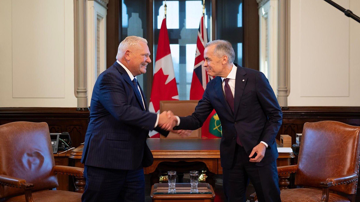
After the Canadian and Ontario governments announced an $8.8 billion deal aimed at reducing development charges and eliminating the 13% HST on housing earlier this spring, the development sector in British Columbia has been advocating for a similar arrangement. Although a subsequent announcement in June included a reduction in development charges, the provincial government expressed disinterest in eliminating the GST, despite acknowledging the industry's push for such measures.
In their announcement, the UDI and Housing Central coalition pointed out that the agreement to reduce development charges was not finalized before Premier David Eby called for a snap election on September 22, leaving builders unable to incorporate these potential savings into their projects. They proposed four critical actions to alleviate the situation: restoring planned investments in non-profit, co-op, and Indigenous housing to facilitate the development of 5,000 affordable homes; finalizing a commitment to co-invest remaining BC Rental Protection Funds with the Canada Rental Protection Fund; ensuring that the federal-provincial agreement on development cost charges is finalized within 90 days of the new government taking office; and following Ontario's precedent by securing a GST exemption on new homes for all buyers, not just first-time buyers.
BCNPHA CEO Jill Atkey emphasized the urgency of the situation, stating, "The projects are ready, but the land sits empty. The people waiting for affordable housing cannot wait another budget cycle. The next government has an opportunity to restore the investment and get these homes built." UDI CEO Mike Drummond added, "When market developers and non-profit housing providers are asking for the same thing, it should tell every party how serious the cost of delivery crisis is."
As Election Day approaches on Saturday, October 24, housing has not taken center stage in the political discourse, which is largely focused on Premier Eby's record, the economy, and BC's Declaration on the Rights of Indigenous Peoples Act (DRIPA). The most significant housing-related proposal from Eby and the NDP has been the introduction of an Unsold Condo Tax targeting completed unsold inventory, a measure that has faced significant backlash from the industry.
🏷️
construction costs
Affordable housing
urban development
GST exemption
community housing
election 2024
development charges
non-profit housing
British Columbia
housing policy
← Previous Post
Inquiry Reveals Winnipeg Overpaid Tens of Millions for Police Headquarters Construction3 days ago
Next Article →
Evaluating Supplier Performance: A Comprehensive Approach for Municipal Organizations2 days ago