
New Brunswick Aims to Boost Exports by 16% with New Diversification Strategy
📅 5 days ago
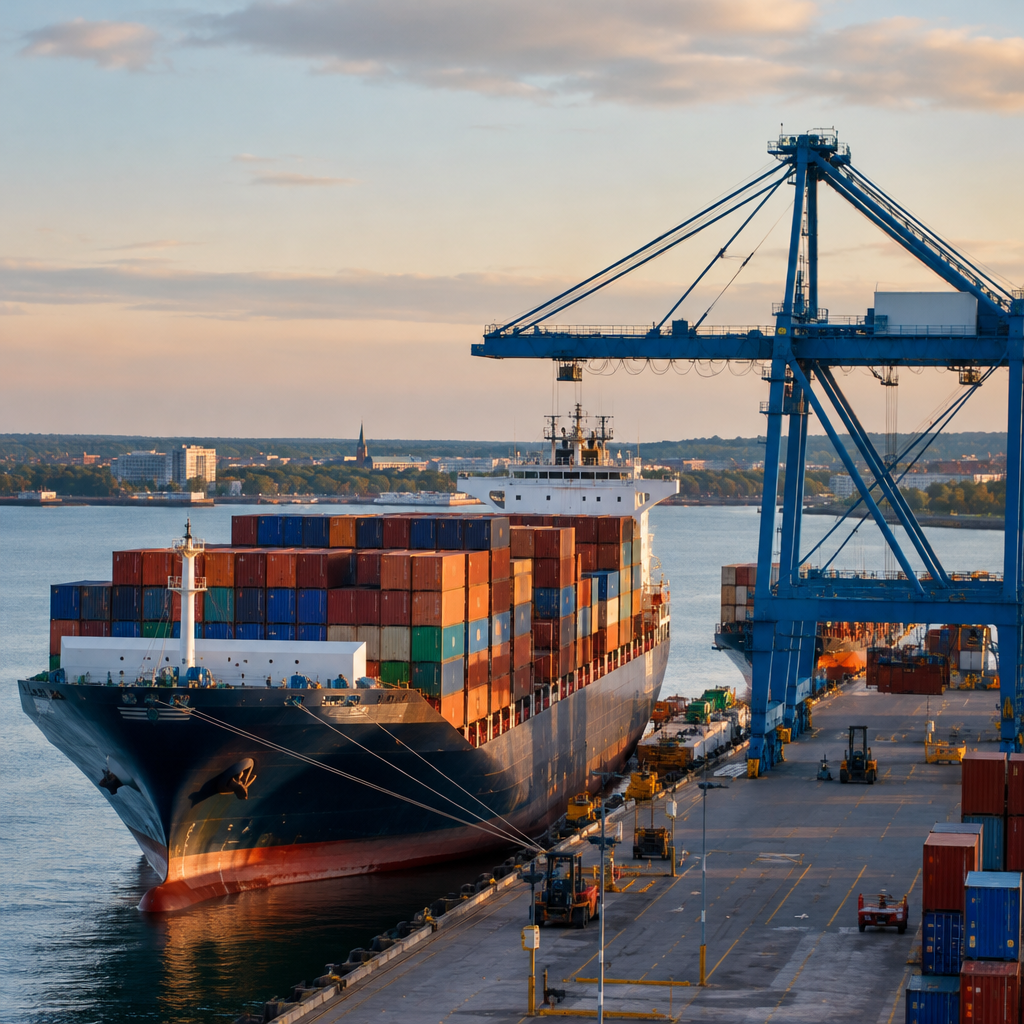
The New Brunswick government has launched a new market diversification strategy aiming to increase exports to non-U.S. markets by 16% by 2030, targeting regions including Asia and Europe.
FREDERICTON – The government of New Brunswick is setting an ambitious goal to enhance its export figures to markets beyond the United States by nearly 16% by the year 2030. Premier Susan Holt announced this target as part of a fresh market diversification strategy recently revealed in Dieppe, N.B. In her remarks, Holt expressed confidence in the province's capabilities, stating, "New Brunswick has what the world wants." She emphasized the importance of not depending solely on one market and underscored the government’s commitment to empowering local businesses to explore new opportunities and forge robust trading relationships.The provincial government aims to elevate exports to non-U.S. markets from $1.14 billion recorded last year to a target of $1.32 billion. A significant focus of this strategy is Asia, with specific mentions of India, Japan, and South Korea identified as key trading partners. In support of this initiative, Holt is scheduled to lead a trade mission to Cambodia and South Korea later this month.
Moreover, Europe is another region of interest, particularly Germany and France, with plans to establish a New Brunswick growth office within the European Union, complementing existing offices in India and France. Over the past five years, New Brunswick has averaged $849 million in annual exports to Asia, Europe, and the U.K., with approximately $629 million of that total directed to Asia. The province has noted a growing trend in European exports as well.
The sectors poised to benefit from this diversification strategy include seafood, agriculture, advanced manufacturing, clean energy, forestry, and mining, all of which have seen surging global demand. The initiative comes in response to economic pressures faced since early 2025, when former President Donald Trump imposed tariffs on traditional trading partners, including Canada, which adversely impacted local industries, particularly forestry, seafood, and beer.
The diversification plan aims to provide support to export-ready businesses, increase the number of trade missions, and enhance promotional efforts. Luke Randall, the minister in charge of Opportunities NB, articulated the government’s vision, stating, "By connecting companies with market intelligence, trade opportunities, and the right partners, we can help turn their ambitions into measurable growth, investment, and jobs here at home."
Additionally, the government intends to bolster logistics and supply chain connectivity by identifying and addressing trade bottlenecks. Enhancements are planned to increase capacity and collaboration between the province's major ports in Saint John and Belledune, ultimately aiming to improve market access. Furthermore, Premier Holt has set an ambitious target to increase trade with the rest of Canada by 61% to reach $22.1 billion by 2029.
In conjunction with these efforts, the government will continue to work on reducing provincial trade barriers and strengthening domestic supply chains, ensuring a more robust economic framework for New Brunswick’s future.
🏷️
Europe
market diversification
logistics
advanced manufacturing
Asia
exports
trade mission
Supply Chain
New Brunswick
economic development