
Ontario Municipalities Can Now Apply for Development Charge Reduction Funding
📅 5 months ago
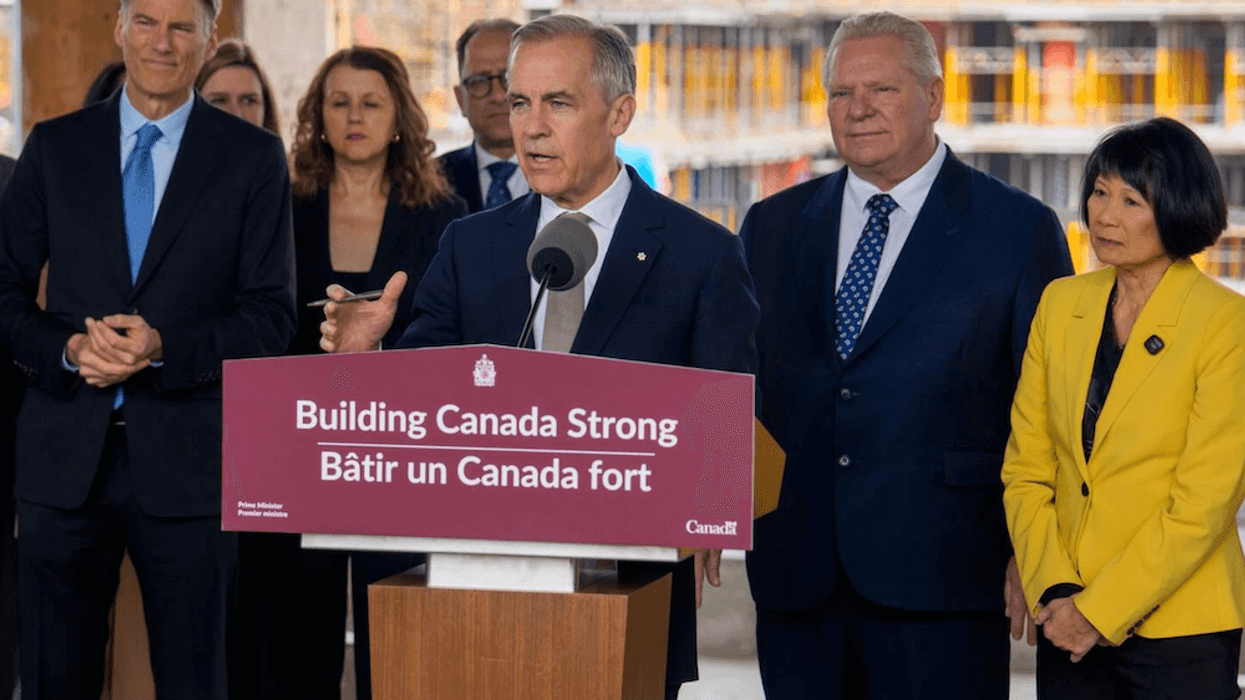
Ontario municipalities are invited to apply for funding through the new Development Charge Reduction Program aimed at facilitating housing-enabling infrastructure projects.
As of June 1, municipalities throughout Ontario are now eligible to submit applications for funding via the Government of Canada’s newly launched Development Charge Reduction Program (DCRP), which was initially unveiled on March 30. This program is designed to provide federal and provincial financial support over a decade for infrastructure projects that enable housing, with a focus on municipalities that can reduce development charges for all types of residential construction by a range of 30 to 50 percent or more, maintaining these reductions for a minimum of three years.In a recent announcement made on Monday, the Government of Canada detailed the criteria by which applications will be evaluated. Key factors include the percentage of development charge (DC) rate reductions committed (with a minimum threshold of 30 to 50 percent), the projected number of homes expected to be constructed as a result of the proposed relief from development charges, and the financial contribution from the respective municipality.
Development charges are levied by municipalities on new construction projects to finance infrastructure developments. The DCRP aims to alleviate these charges by enabling the federal government to fund the necessary infrastructure, allowing municipalities to lower these levies. According to the announcement's footnotes, the municipalities will be required to contribute at least 10 percent of the total project costs. Funding allocated to Ontario for the DCRP will come from the federal Build Communities Strong Fund, along with a bilateral funding agreement between the federal and provincial governments.
Housing, Infrastructure and Communities Canada emphasized the importance of prioritizing housing-enabling projects, taking into account the number of homes that could be facilitated by these initiatives. Municipalities are strongly encouraged to take ambitious steps in reducing their development charge rates to maximize the funding available for their communities.
The Government of Ontario has also established a dedicated webpage for the Development Charges Reduction Program, clarifying that housing-enabling infrastructure projects encompass essential services such as roads, water systems, wastewater systems, and transit facilities. Notably, the application window for this program is limited to just three weeks, with a deadline set for Friday, June 19.
The federal government indicated that the timelines for the DCRP are strategically aligned with the enhanced HST rebate to optimize financial relief for both home builders and buyers. The Development Charge Reduction Program is part of the broader “Canada-Ontario Partnership to Build,” announced simultaneously on March 30, which also included the introduction of the Harmonized Sales Tax (HST) Rebate for new homes. Ontario will be eliminating its 8 percent portion of the HST on new homes, while the federal government will provide $875 million to remove its own 5 percent portion, effectively abolishing the total 13 percent HST on new home purchases.
Minister of Housing and Infrastructure, Gregor Robertson, expressed that this collaborative effort between the federal and provincial governments would expedite housing construction by reducing upfront costs and investing in housing-enabling infrastructure projects, thereby fostering strong, resilient communities that enhance housing supply and stimulate economic opportunities.
Dave Wilkes, President and CEO of BILD, remarked that this unprecedented initiative grants municipalities the chance to swiftly boost housing supply by synchronizing development charge relief with infrastructure investment and government collaboration. He noted that lowering development charges could help mitigate the economic viability challenges that have hindered housing development in the Greater Toronto Area (GTA) in recent years. This initiative allows for a partnership between municipalities and the industry, enabling the acceleration of shovel-ready communities while ensuring that the building and development sector continues to provide well-paying jobs and serves as a vital engine for economic growth.
While a similar agreement has been highly sought after in British Columbia, it has yet to materialize. However, during an event hosted by the Greater Vancouver Board of Trade last month, Prime Minister Mark Carney indicated that discussions for a BC agreement are currently in their early stages.
🏷️
Infrastructure
residential projects
HST rebate
Development Charge Reduction Program
housing
Ontario
economic growth
Construction
community development
municipalities
Next Article →
Essential Lessons for Public Procurement: Navigating the Law of Tender and Bid-Rigging5 months ago