
Proactive Safety Measures Lead to Significant Reductions in Construction Incident Rates, ABC Report Reveals
📅 4 months ago
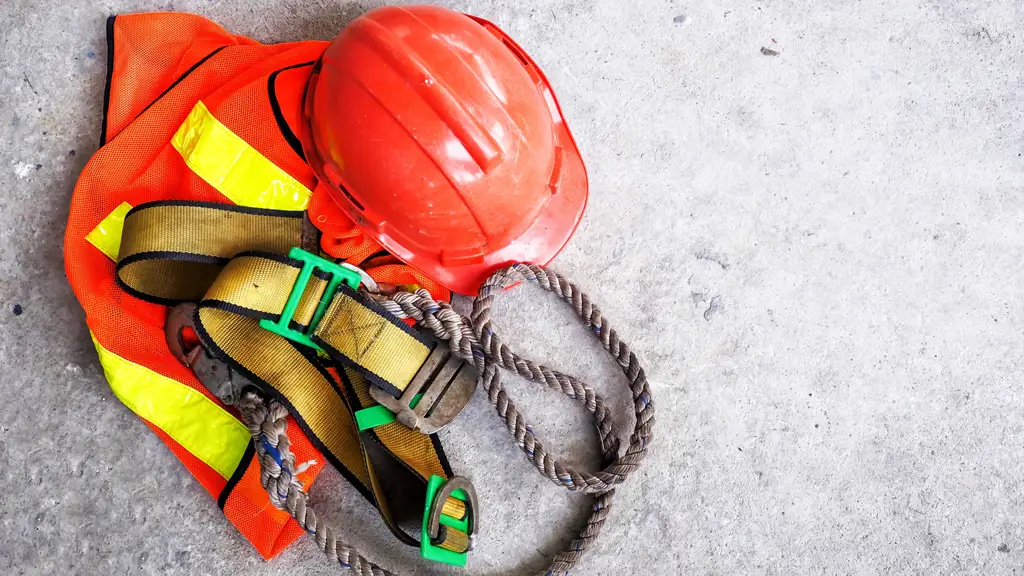
A recent report by the Associated Builders and Contractors highlights the effectiveness of proactive safety measures in reducing incident rates in the U.S. construction industry, demonstrating that companies utilizing the STEP Health and Safety Management System achieved significantly better safety outcomes.
For many years, the safety performance of the U.S. construction industry has primarily been assessed retrospectively, focusing on injuries, lost-time incidents, and the removal of workers after accidents have occurred. However, a new report from the Associated Builders and Contractors (ABC) sheds light on the importance of proactive safety measures—actions taken daily by contractors to avert incidents. The 2026 Health and Safety Performance Report reveals that companies engaged with the STEP Health and Safety Management System recorded incident rates that were 686 percent safer than the average for the U.S. construction sector. Furthermore, these organizations managed to lower their total recordable incident rates (TRIR) by an impressive 85 percent.This analysis encompassed over 1.3 billion hours of work carried out by various contractors, including those in construction, civil engineering, heavy construction, and specialty trades throughout the year 2025. The significance of this report is underscored by the limited number of studies that have explored the connection between leading indicators—measures implemented to prevent injuries—and trailing indicators, which reflect incidents after they have occurred. The findings presented in the report provide a clearer understanding of how the use of leading indicators influences a company’s safety performance. ABC asserts that firms adopting proactive safety measures are statistically much safer than those that do not.
Michael Bellaman, president and CEO of ABC, emphasized the importance of commitment to safety in his statement, urging that, “If we choose to lead, if we choose to commit and if we choose to transform, together we will create the conditions for all to do their work without incident and go home safe, healthy and fulfilled every day.” The STEP program, which was established in 1989, serves as a comprehensive safety management system utilized by contractors and suppliers across the United States. Unlike a mere compliance checklist, STEP provides a structured framework for assessing, enhancing, and developing safety programs within organizations.
Participants in the program undergo a thorough self-assessment evaluating the maturity of their safety policies, procedures, and leadership practices. Companies are scored on a scale from zero to 12 points across various key safety components and are subsequently recognized at levels including participant, bronze, silver, gold, platinum, and diamond. The objective is not solely recognition; it aims to assist companies in identifying weaknesses, benchmarking their performance against peers, and making continuous improvements to lower incident rates.
The data that supports this report was gathered from companies that implemented STEP during 2025. ABC collected injury and illness statistics reported to the Occupational Safety and Health Administration, alongside self-assessment results from these companies, which were then analyzed. The calculations and methodologies employed in the report were validated by RSM, an independent provider of audit, tax, and consulting services in the U.S.
Among the report's key findings is the notable reduction in TRIR rates for companies conducting daily toolbox talks, which saw a 59 percent drop, along with a 61 percent decline in DART rates—a metric that indicates days away from work, restricted duties, or transfers due to injuries. The report suggests that these conversations enhance accountability and enable workers to identify potential hazards before they escalate into incidents.
Additionally, substance abuse prevention programs demonstrated a strong link to improved safety outcomes, with companies that had comprehensive prevention policies and conducted alcohol and drug testing reporting a 55 percent reduction in TRIR rates and a 57 percent reduction in DART rates. Contractors adhering to best practices for health and safety meetings also noted a 52 percent decrease in TRIR rates and a 54 percent decrease in DART rates. The report highlights that consistent communication fosters trust, reinforces a safety culture, and empowers workers to make more informed decisions.
Moreover, companies that actively involve their workforce in safety discussions and seek input from frontline employees experienced a 55 percent reduction in TRIR rates and a 57 percent reduction in DART rates. This indicates that effective safety cultures are built not just through rules and procedures but through strong relationships between management and employees.
Beyond these specific practices, STEP has identified six core leading indicators that are essential to high-performing safety programs: planning for project health and safety, top leadership engagement, tracking of leading indicators, incident investigation, analysis of trailing indicators, and behavior-based safety observations. These systems are designed to identify hazards early and eliminate risks before injuries can occur.
The overarching message of the report is that achieving safety excellence is not a matter of chance or merely having low injury counts. Instead, it is the result of disciplined leadership, active employee involvement, and systematic efforts to identify and mitigate hazards before they result in harm. Joe Xavier, ABC's senior director of health and safety, stated that the report illustrates that a leading safety roadmap encompasses leadership, culture, processes, and outcomes. He remarked, “Transformational leadership means challenging the status quo and fostering a culture where every incident is seen as preventable. When leaders refuse to compromise on safety, they set the standard for the entire industry.” By adopting proven health and safety systems, companies not only protect their workers but also achieve measurable enhancements in both performance and reputation within the marketplace.
🏷️
employee involvement
incident rates
proactive measures
workplace safety
health and safety
construction industry
safety performance
STEP program
safety culture
ABC report
← Previous Post
TD Bank Secures Receivership for Burlington Waterfront Project Amid Defaults4 months ago
Next Article →
Major Milestones Achieved in $6 Billion Surrey-Langley SkyTrain Extension Project4 months ago