
Record Cargo Volumes at Port of Vancouver Driven by Oil and Grain Exports
📅 Today
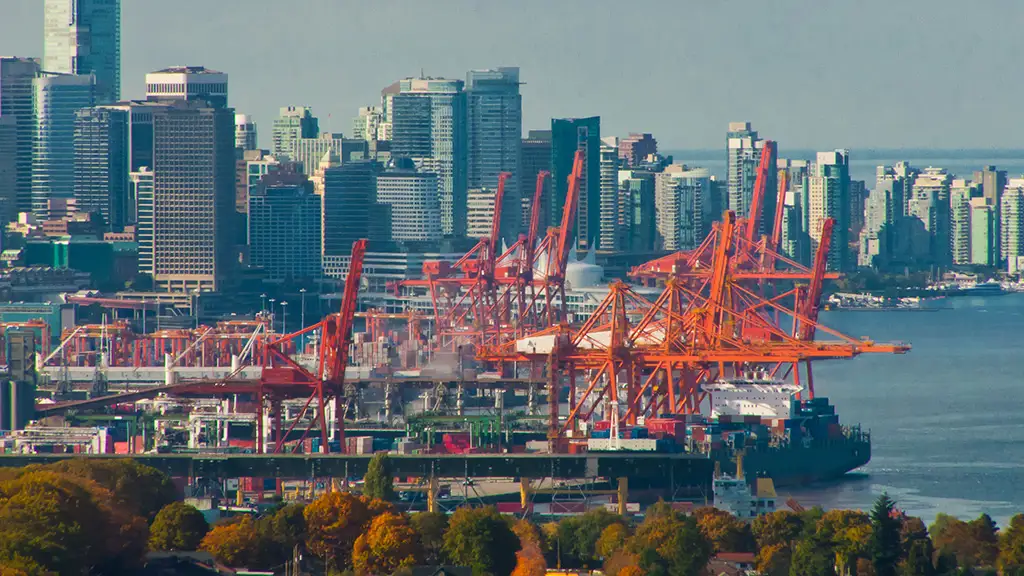
The Port of Vancouver experienced a significant increase in cargo volumes in the first half of 2026, primarily due to surging oil and grain exports, as trade routes shift away from the U.S. market.
VANCOUVER — The Vancouver Fraser Port Authority has reported a record volume of cargo passing through its facilities in the first half of 2026, driven by a surge in oil and grain exports. This trend is part of a broader strategic shift away from U.S. markets, with Alberta crude oil playing a pivotal role in the transition. According to the federal agency's latest report, freight volumes at the Port of Vancouver rose by three percent year-over-year during the six months ending June 30. Peter Xotta, the port authority's chief executive, emphasized the heightened focus on transporting goods—fossil fuels included—to markets beyond North America. "The U.S. percentage of crude oil shipments is declining...as those global destinations for Alberta crude increase," Xotta stated in a phone interview from Canada Place, with views of Vancouver Harbour. He noted that Asian markets, particularly China, have significantly increased their oil imports, which rose by 24 percent, contrasting with a decline in American imports. The share of crude oil exports from Vancouver heading to the U.S. has decreased to one-fifth, down from one-third the previous year. In the first half of 2026, crude oil exports from the port hit a record of 12 million tonnes, marking a three percent increase from the previous year. This growth follows the completion of the Trans Mountain expansion, which has facilitated a larger flow of fossil fuel shipments to China and South Korea since its opening in 2024. Xotta remarked, "The Trans Mountain expansion is really continuing to be a much more dominant commodity in the gateway than we have experienced historically." While crude oil exports comprised the majority of the port's petroleum shipments, imports of aviation fuel also saw a notable increase, rising by 25 percent. This uptick is attributed to airlines sourcing kerosene from alternative regions amid supply constraints from the Middle East due to ongoing geopolitical tensions. Notably, aviation fuel imports from South Korea surged by 305 percent, totaling approximately 160,000 tonnes, nearly half of the port's total aviation fuel imports. Additionally, bulk grain exports experienced a robust 14 percent year-over-year increase, reaching a record 17.4 million tonnes by the end of June. Xotta attributed this growth to favorable crop yields over the past two years, which have bolstered Canadian agriculture. Traditional consumers of Canadian bulk grain, such as China, Japan, and South Korea, continue to play a significant role in this sector. Meanwhile, containerized shipments of lentils, peas, and beans have grown by nearly two-thirds, driven by rising demand from emerging markets like Bangladesh and India. Despite challenges, including a 100 percent tariff on Canadian canola oil imposed by China in March 2025, which followed retaliatory measures against Canadian electric vehicle tariffs, the duty on canola seeds has been reduced to 15 percent. However, this has contributed to a 14 percent decline in vegetable and animal oil shipments through Vancouver. Xotta noted a three percent year-over-year decrease in shipments of chemicals, basic metals, and minerals, largely due to U.S. tariffs on steel and aluminum. Conversely, automobile volumes through the port increased by 10 percent in the first half of 2026, as car manufacturers sought alternatives to the U.S. market, resulting in a rise in imports from Japan and South Korea. Container imports increased by two percent, while exports rose by four percent, reflecting the port's resilience amid an unpredictable geopolitical landscape. Xotta stated, "The port handles about half of the country’s two-way container trade," and he expressed ambitions to help Canada double its exports to non-U.S. markets over the next decade. Current figures indicate that the U.S. accounted for less than 15 percent of shipments through the Port of Vancouver, consistent with levels from the first half of 2025. Interestingly, American tourists are still eager to visit, with cruise operations at the port poised for a record season, expecting to welcome 141 ships and approximately 560,000 passengers—of which 60 percent are U.S. residents—between February and June.
🏷️
grain exports
geopolitical impact
oil exports
aviation fuel
Trans Mountain Expansion
bulk grain
Asia trade
container trade
Canada exports
Port of Vancouver