Redefining Luxury Living: A Shift in Toronto's Real Estate Landscape
📅 2 days ago
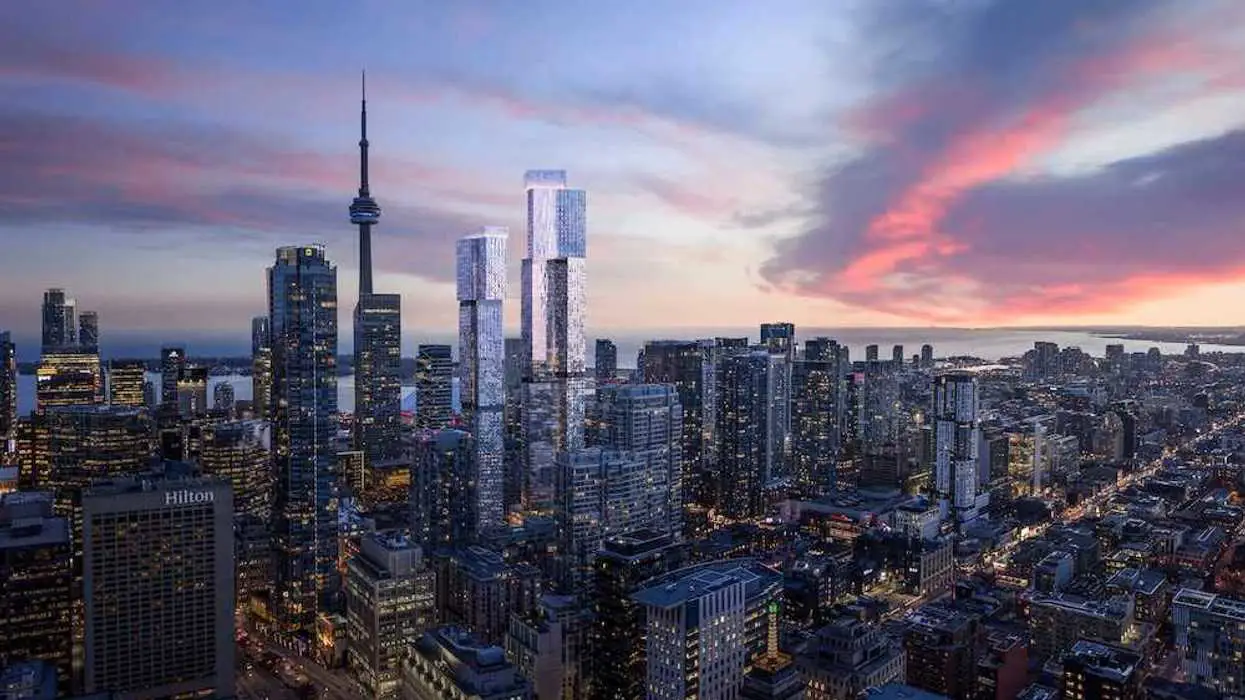
Toronto's luxury real estate market is evolving, focusing on livability and the end user's experience rather than mere aesthetics or scale. A recent discussion among industry leaders revealed how the definition of luxury is changing to meet the needs of residents.
What constitutes an urban building that excites residents in Toronto today? The answer diverges from traditional metrics such as price, height, or high-end finishes. Instead, the current definition of a "luxury" address hinges on the actual living experience it provides. Historically, Toronto's real estate market favored large developments aimed mainly at investors. The trend emphasized scale—larger towers, more units, and ostentatious lobbies—often neglecting the future residents who would occupy these spaces. However, a significant shift has occurred. "For the longest time, we were really marketing towards singles and to investors," explained Taya Cook, executive vice president at Urban Capital, during FirstService Residential's Skyline Sessions in Toronto. "I think that market has changed quite a bit." Neil Vohrah, president of High-Rise, North America at Great Gulf, echoed this sentiment, noting that the demographic profile is now increasingly focusing on end users, who demand more from their living environments. The inquiry into what makes a building desirable to live in is central to FirstService's Skyline Session series. In the Toronto episode, leading developers, architects, and real estate professionals convened to explore this evolving definition of luxury, which appears to be finally aligning with contemporary expectations. The luxuries that residents seek today are closely tied to their daily lives. Cook exemplified this shift by stating, "Luxury is walkability." This includes the ability to leave one's home and stroll to work or visit local art galleries without extensive planning. The new paradigm of luxury emphasizes the integration of lifestyle into living spaces. While a building's design cannot physically guide residents to the Art Gallery of Ontario, the demand for enhanced livability is shaping new construction projects. This influence manifests in various aspects of development, including durability, floor plans, and window placements. Michael Attard, partner at Hariri Pontarini Architects, reflected on how the concept of luxury has evolved from grand gestures, like impressive lobbies, to a focus on permanence and precision in construction. "It's the way that things come together. Materials. It's access to light. It's the way that we actually craft these spaces, and the way that people live in them," he noted. This perspective extends beyond individual units to encompass the communal spaces surrounding new buildings—local shops, cafés, childcare facilities, and transit access—contributing to the overall placemaking of the area. Attard pointed out that modern skylines are increasingly viewed as branding tools for cities rather than mere architectural feats. "It's really the urban interventions at the ground and lower floors that carry the greatest responsibility, in terms of energizing a space and turning it into an experience," he explained. The trend toward prioritizing functionality and community impact is evident even in the most ambitious projects. Vohrah highlighted the FORMA tower, designed by Frank Gehry, which has nearly sold out. He attributed its success to a belief that the building is not only appropriate for current demands but also built to endure. "Buying into a Frank Gehry building is like buying a piece of art," he remarked. Yet, the quality of life within these buildings relies heavily on management and community engagement post-move-in. Cook described buildings as "living organisms" with unique reputations that develop over time. "It's very important when you're thinking of the building and you're thinking of its longevity, what you're creating as its ecosystem right from the get-go," she said. Miles Nadal, founder and CEO of Peerage Capital, emphasized the importance of involving property management early in the process to ensure the needs of future residents are met, recognizing that preferences can vary widely from one locale to another. David Diestel, CEO of FirstService Residential, added that the essence of luxury living lies in understanding and anticipating residents' needs, ensuring that services are seamlessly integrated into their experience. He described this approach as proactive and anticipatory, which aligns with FirstService Residential's foundational philosophy. Founded in Toronto in 1989, the company has grown into North America's largest residential community manager, overseeing close to 900 condominium corporations and over 155,000 residential units in Ontario alone. This extensive experience provides Diestel and his team with valuable insights into the evolving demands of Toronto’s residents. Brian Brown, principal at Lifetime Developments, reiterated that true luxury is about future-oriented building practices. "It's about building something that's going to have longevity, that's going to be timeless, and at the same time it's going to be reflective of today," he stated. Vohrah concluded that the days of megatowers with excessive units are likely behind us, as the focus shifts to designing for the end user. Pouyan Safapour, president of Devron, remarked on Toronto's growth phase, likening it to adolescence, suggesting that the city is now entering a maturation stage. The ultimate measure of success lies not in sales figures but in whether residents develop a lasting affection for their homes. "What's important to us is that we create spaces, and we create homes, and we create buildings and architecture that people are going to love," he emphasized. "If it's loved the way good design is loved, the way good art is loved, we've done what we set out to do."
🏷️
Architectural design
end-user focus
Toronto real estate
property management
sustainable design
luxury living
residential construction
walkability
community engagement
urban development
← Previous Post
Deadline Approaching for Mail-in Voting Requests in Toronto's 2026 Municipal Election2 days ago
Next Article →
West Fraser Timber Secures $500 Million Loan to Enhance Financial Flexibility2 days ago
Related Posts