Reflections on 9/11: Structural Engineers Share Lessons Learned and Advances in Building Safety
📅 2 weeks ago
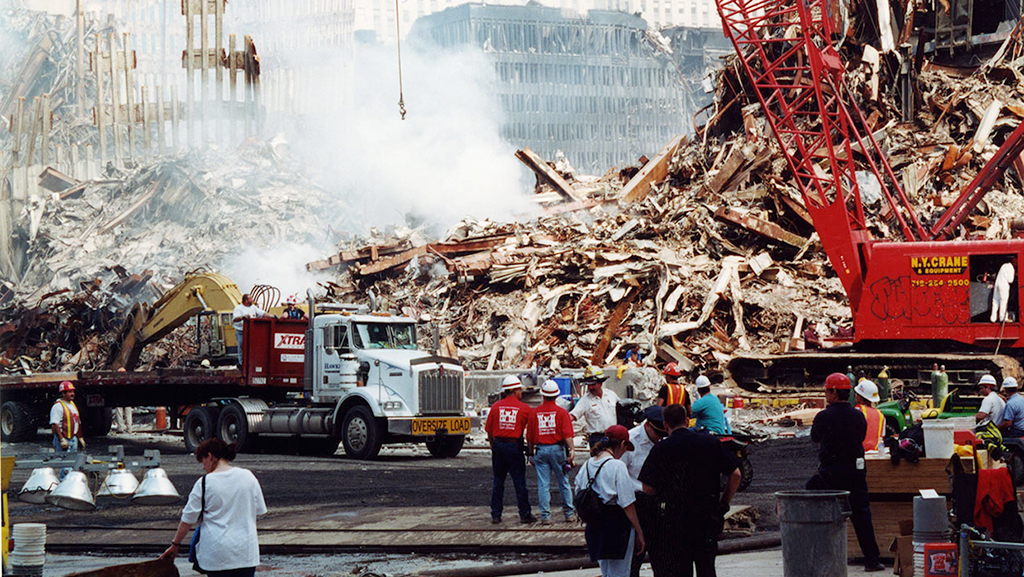
On the 25th anniversary of the September 11 attacks, structural engineers reflect on the lessons learned and advancements made in building safety since that tragic day.
In the wake of the tragic events of September 11, 2001, the American Society of Civil Engineers (ASCE), along with the National Institute of Standards and Technology (NIST), undertook extensive investigations to uncover the causes behind the progressive collapse of the World Trade Center towers. A recent article highlights the experiences of engineers who played a role in understanding the dynamics of the collapse at both the World Trade Center and the Pentagon, as well as their personal narratives from that day and the insights gained over the years.One of the key figures, Paul Mlakar, an engineer emeritus with the U.S. Army Corps of Engineers, was preparing for a conference call focused on the need for blast-resistant design standards when the first plane struck the North Tower at 8:46 a.m. EDT. Mlakar emphasized that the events of 9/11 highlighted the urgent necessity for what would evolve into the ASCE/Structural Engineering Institute 59-22 Blast Protection of Buildings standard. "Not all buildings need to be blast-resistant," he noted, "but for public buildings, we now have the ASCE standard to provide a basis for that. It could help designers better protect those structures in the future."
Gerard Schwartz, who took the helm as ASCE president just a month after the attacks, first visited Ground Zero in late October 2001. He remarked that many people are unaware of the significant contributions made by structural engineers, particularly those from the Structural Engineers Association of New York (SEAoNY), during the rescue and cleanup efforts. Schwartz coordinated civilian forensic teams responsible for conducting building performance assessments and analyses at the World Trade Center and the Pentagon. He explained that the findings from this work have provided crucial insights into the factors that led to the collapses and can inform future building designs. "The planes struck the World Trade Center at an angle, impacting multiple floors," he elaborated. "While the building was structurally capable of withstanding that impact, it could not endure the resulting fire fueled by jet fuel, which ultimately buckled vital joists that supported the structure."
In contrast, the Pentagon's older design offered enhanced protection against a larger progressive failure. Mlakar explained that the Pentagon's construction, initiated in 1941, contributed to its resilience against widespread collapse. "Only a small section of the building collapsed about 20 minutes post-impact, and the damage was limited due to the continuity of the structural system and the reinforcement of its columns. We can learn from that experience."
Vicki Arbitrio, an associate partner at Gilsanz Murray Steficek in Manhattan, was serving as secretary of SEAoNY when the twin towers fell. According to her, "strong engineering judgment" played a crucial role in ensuring that no physical injuries occurred during the removal process. Reflecting on the 25 years since the tragedy, she believes that the investigations by ASCE and NIST have significantly improved building safety standards. Furthermore, she noted a cultural shift within the field of structural engineering toward greater collaboration among various disciplines.
Arbitrio pointed out that while the World Trade Center was originally designed to withstand a plane impact, the size of modern aircraft has increased considerably since the building's completion in 1973. She stated, "No one anticipated that such an impact would be intentional. Now we recognize that there are various technologies we need to explore further to understand their potential effects on structures based on their surroundings and locations. There are numerous factors to consider during the design process."
This reflection on the events of 9/11 serves as a somber reminder of the importance of engineering standards and the continuous evolution of safety protocols in building design, emphasizing the commitment of professionals in the field to learn from past tragedies to better safeguard future constructions.
🏷️
Pentagon
structural engineering
building safety
World Trade Center
blast protection
engineering standards
collaboration in engineering
NIST
public buildings
ASCE
Next Article →
Colliers to Acquire Englobe Corporation in Strategic Move into Canadian Engineering Market2 weeks ago