Supreme Court of Canada Considers Challenge to Ontario Place Redevelopment Legislation
📅 Today
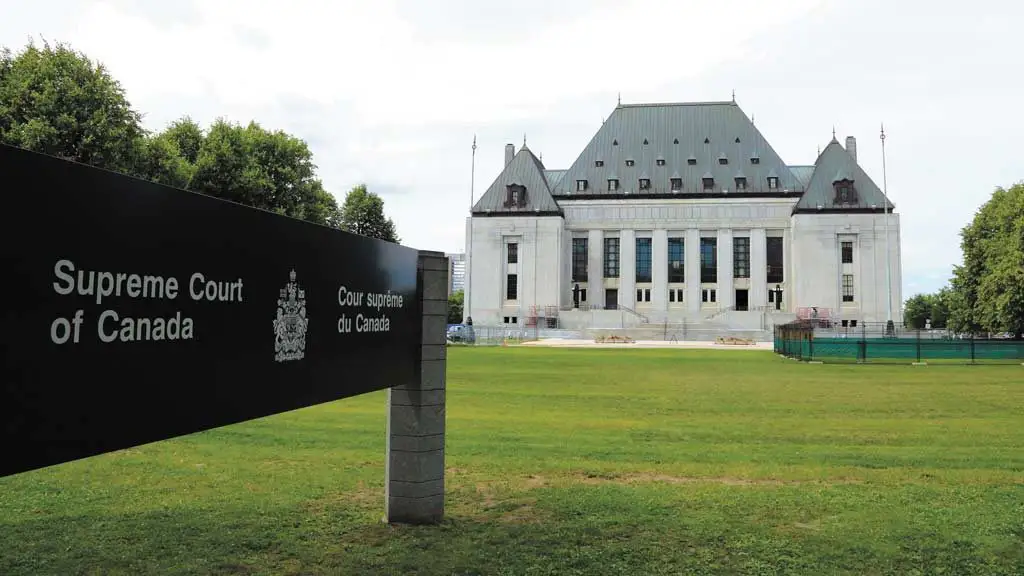
The Supreme Court of Canada hears arguments regarding the constitutionality of the Rebuilding Ontario Place Act, which facilitates major redevelopment plans for the historic waterfront park, amidst concerns from a coalition of citizens and organizations.
In a significant legal showdown, the Supreme Court of Canada is set to hear arguments today regarding the constitutionality of a law that paves the way for substantial alterations at Ontario Place, a beloved waterfront park in Toronto that has been a part of the city's landscape since its opening in 1971. This case, brought forth by a coalition known as the Ontario Place Protectors, could have implications extending far beyond the immediate redevelopment plans. The government of Ontario has proposed a comprehensive redevelopment of Ontario Place, which includes the addition of a private spa, a relocated Ontario Science Centre, enhanced play areas along the waterfront, a new parking facility, and a provincial police detachment. The coalition argues that the Rebuilding Ontario Place Act violates constitutional principles by shielding governmental decisions from judicial review and that the exemptions it grants from environmental and heritage protections infringe upon public trust. Earlier this year, an Ontario judge dismissed the coalition's initial challenge, and a subsequent appeal was also turned down by the provincial Court of Appeal. Justice Grant Huscroft, writing for a unanimous panel, acknowledged the strong opposition to the redevelopment among various citizens and organizations, yet stated that the judicial system is not meant to resolve political disputes. The court's responsibility is to determine whether the contested provisions of the Rebuilding Ontario Place Act contravene the law or the Constitution, which it found they did not. In January, the Supreme Court agreed to hear the coalition's case, which contends that provincial superior courts possess the authority to review laws and government actions as protected under section 96 of the Constitution Act, 1867. The coalition argues that the scope of the Rebuilding Ontario Place Act is unprecedented, as it appears to strip courts of their essential powers to hold government officials accountable through various legal remedies. They further seek to establish the doctrine of public trust as an unwritten constitutional principle, asserting that natural and cultural resources are vital to public welfare and must be protected by the government. Margie Zeidler, whose father was the original architect of Ontario Place, shared her childhood memories of the park, emphasizing its importance as a public space. "It was extraordinary. It was a public place," she reflected. Zeidler, who is part of the coalition, expressed that the fight has evolved into a broader discussion about democracy and governmental authority. In response to the coalition's claims, the Crown and the Ontario attorney general argue that the legislation does not provide the sweeping immunity alleged by the coalition, stating that it simply protects the Crown and its agents from civil actions in specific situations. They also challenge the notion that the legislation is invalid due to the public trust doctrine, asserting that it lacks the status of an unwritten constitutional principle and that there is insufficient evidence to apply it to Ontario Place. The case has garnered attention from various interveners, including different provinces, First Nations, civil liberties organizations, and environmental groups. The Supreme Court typically takes time to deliberate on its decisions, meaning that a ruling may not be issued until next year.
🏷️
urban development
Supreme Court of Canada
Ontario Place
government authority
heritage protection
public space
environmental law
public trust doctrine
Redevelopment
legal challenge