Toronto Protests Intensify Against Provincial Bike Lane Removals
📅 Today
In Toronto, the conflict over the removal of bike lanes escalated for a second consecutive day, as demonstrators clashed with police on Wednesday afternoon. The ongoing construction, which aims to dismantle parts of the city’s protected bike lane network, is part of a broader initiative led by Premier Doug Ford's government to overhaul up to 19 kilometers of cycling infrastructure, beginning in the Etobicoke area, which is also the premier's electoral base. While the provincial government has positioned this project as a necessary measure for traffic alleviation, critics argue that it exemplifies governmental overreach and poses safety risks to cyclists without effectively addressing street congestion.
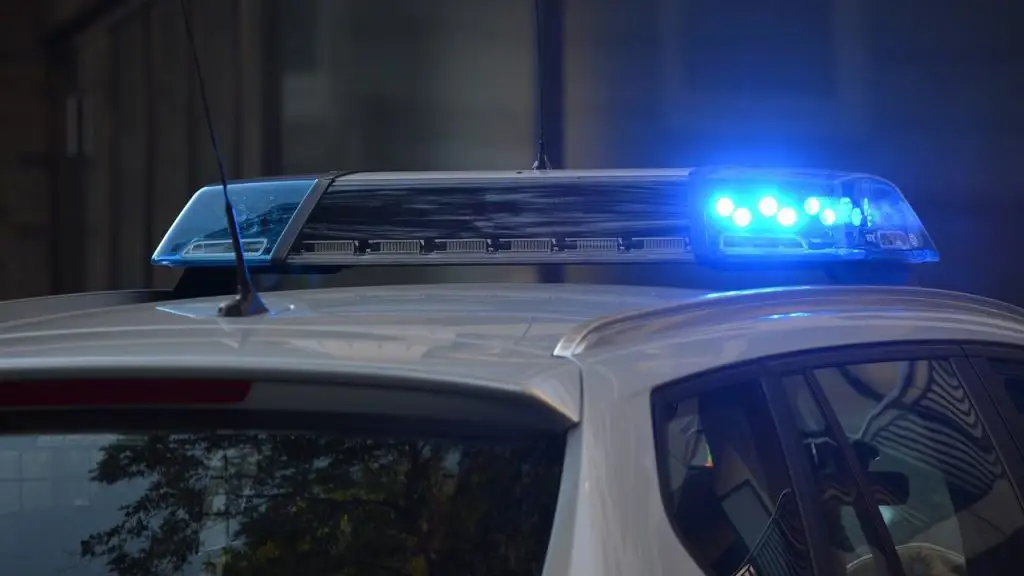
The protests began with a peaceful demonstration on Tuesday night, where construction crews were escorted off Bloor Street by law enforcement as protesters chanted supportive messages towards the workers. However, the atmosphere shifted on Wednesday, resulting in at least one arrest. A 25-year-old demonstrator from Hamilton was taken into custody, facing charges of mischief and obstructing a peace officer, as police intervened during the protest. Witnesses reported that a worker in a high-visibility vest was seen removing a bike lane sign amidst the unfolding events.
Despite the city’s attempts to propose alternative plans that would maintain bike lanes while restoring a lane for vehicle traffic, the work proceeded uninterrupted along a one-kilometer stretch of Bloor Street, between Islington Avenue and Royal York Road. The mayor’s spokesperson indicated that the city had suggested compromises similar to those already implemented in other areas of Bloor Street.
Transportation Minister Prabmeet Sarkaria made it clear in a statement following Tuesday's protest that the removal of bike lanes was a definitive action the province intends to pursue. Questions regarding the financial implications of the construction and whether any bike lanes would remain intact were left unanswered by the minister's office.
Cycle Toronto's executive director, Michael Longfield, expressed expectations for the protests to persist indefinitely, criticizing the government's approach as lacking in constructive solutions. He emphasized that the decision to remove bike lanes was not genuinely aimed at resolving traffic issues, but rather a stubborn refusal to engage in collaborative decision-making.
An engineering report commissioned by the province has indicated that any potential benefits from the removal of bike lanes on traffic congestion would likely be minimal and temporary. Furthermore, the same report suggested that bike lanes could significantly enhance safety, potentially reducing crashes among road users by 35 to 50 percent.
The ongoing construction is slated to continue until November 17, as indicated by a notice from the city. Although the work was initially planned for overnight hours, it became apparent to advocates on Tuesday that crews would return for daytime operations on Wednesday.
Cycle Toronto is a participant in a constitutional challenge against the province's bike lane removal initiative. A previous lower court ruling had blocked the plan due to concerns over safety, but the Appeal Court later overturned this decision, asserting that the trial judge had exceeded their authority by encroaching upon legislative policy-making.
Mayor Olivia Chow, currently in a re-election campaign, criticized the bike lane removals as a substantial misuse of public funds and an infringement on local governance. Chow highlighted that this issue is part of a larger pattern of the provincial government overriding the city’s decisions on various urban matters, including the expansion of the island airport and the removal of automated speed cameras.
Challenger Brad Bradford has shown support for the removal of bike lanes in Etobicoke, citing local business frustrations, yet he has left open the question of how to handle the other bike lanes identified for removal. He emphasized the principle that local residents should have a say in the management of their streets, rather than decisions being made from a distance by provincial authorities.
The city has estimated the financial cost of removing all targeted bike lanes on Bloor, Yonge Street, and University Avenue to be approximately $48 million, a figure disputed by the provincial government, which has not yet disclosed its own assessment. Sarkaria previously noted that restoration work on a stretch of Bloor from Kipling Avenue to Islington, which kept a bike lane intact, would cost around $750,000. Recently, the province issued a request for proposals to study and design options for restoring vehicle traffic on sections of roads with bike lanes, indicating a desire to explore ways to either retain or reconfigure bike lanes in a manner that does not exacerbate traffic congestion.
The protests began with a peaceful demonstration on Tuesday night, where construction crews were escorted off Bloor Street by law enforcement as protesters chanted supportive messages towards the workers. However, the atmosphere shifted on Wednesday, resulting in at least one arrest. A 25-year-old demonstrator from Hamilton was taken into custody, facing charges of mischief and obstructing a peace officer, as police intervened during the protest. Witnesses reported that a worker in a high-visibility vest was seen removing a bike lane sign amidst the unfolding events.
Despite the city’s attempts to propose alternative plans that would maintain bike lanes while restoring a lane for vehicle traffic, the work proceeded uninterrupted along a one-kilometer stretch of Bloor Street, between Islington Avenue and Royal York Road. The mayor’s spokesperson indicated that the city had suggested compromises similar to those already implemented in other areas of Bloor Street.
Transportation Minister Prabmeet Sarkaria made it clear in a statement following Tuesday's protest that the removal of bike lanes was a definitive action the province intends to pursue. Questions regarding the financial implications of the construction and whether any bike lanes would remain intact were left unanswered by the minister's office.
Cycle Toronto's executive director, Michael Longfield, expressed expectations for the protests to persist indefinitely, criticizing the government's approach as lacking in constructive solutions. He emphasized that the decision to remove bike lanes was not genuinely aimed at resolving traffic issues, but rather a stubborn refusal to engage in collaborative decision-making.
An engineering report commissioned by the province has indicated that any potential benefits from the removal of bike lanes on traffic congestion would likely be minimal and temporary. Furthermore, the same report suggested that bike lanes could significantly enhance safety, potentially reducing crashes among road users by 35 to 50 percent.
The ongoing construction is slated to continue until November 17, as indicated by a notice from the city. Although the work was initially planned for overnight hours, it became apparent to advocates on Tuesday that crews would return for daytime operations on Wednesday.
Cycle Toronto is a participant in a constitutional challenge against the province's bike lane removal initiative. A previous lower court ruling had blocked the plan due to concerns over safety, but the Appeal Court later overturned this decision, asserting that the trial judge had exceeded their authority by encroaching upon legislative policy-making.
Mayor Olivia Chow, currently in a re-election campaign, criticized the bike lane removals as a substantial misuse of public funds and an infringement on local governance. Chow highlighted that this issue is part of a larger pattern of the provincial government overriding the city’s decisions on various urban matters, including the expansion of the island airport and the removal of automated speed cameras.
Challenger Brad Bradford has shown support for the removal of bike lanes in Etobicoke, citing local business frustrations, yet he has left open the question of how to handle the other bike lanes identified for removal. He emphasized the principle that local residents should have a say in the management of their streets, rather than decisions being made from a distance by provincial authorities.
The city has estimated the financial cost of removing all targeted bike lanes on Bloor, Yonge Street, and University Avenue to be approximately $48 million, a figure disputed by the provincial government, which has not yet disclosed its own assessment. Sarkaria previously noted that restoration work on a stretch of Bloor from Kipling Avenue to Islington, which kept a bike lane intact, would cost around $750,000. Recently, the province issued a request for proposals to study and design options for restoring vehicle traffic on sections of roads with bike lanes, indicating a desire to explore ways to either retain or reconfigure bike lanes in a manner that does not exacerbate traffic congestion.
🏷️
Doug Ford
traffic management
Toronto
Urban planning
Infrastructure
protests
bike lanes
provincial government
Construction
Cycle Toronto