Toronto Advances New Rental Housing Initiatives with Phase 2 of Purpose-Built Rental Program
📅 5 days ago
🏷️ City of Toronto Municipality

The City of Toronto has announced the outcomes of its second phase of the Purpose-Built Rental Housing Incentives stream, which aims to expedite the development of new rental housing amid economic challenges.
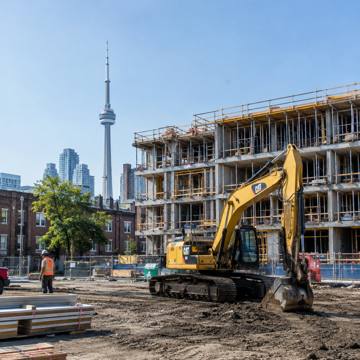
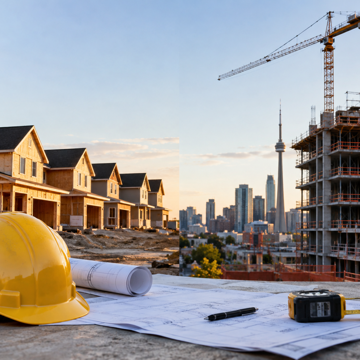
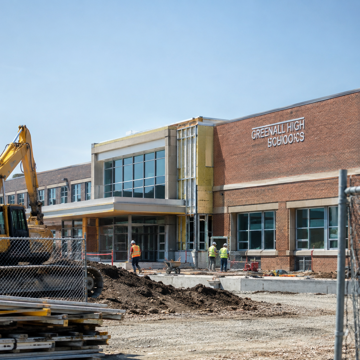
On November 16, 2026, the City of Toronto unveiled the results from its recent Call for Applications concerning the second phase of the Purpose-Built Rental (PBR) Housing Incentives stream. This initiative, initially launched in 2024, is designed to provide financial incentives funded by the City to encourage the development of new rental housing that mandates at least 20 percent of units be affordable and rent-controlled. The program aims to expedite construction during economically challenging times by offering eligible projects an indefinite deferral of development charges for market rental homes, alongside financial benefits for affordable rental units, which include waivers of building permit fees and exemptions from property taxes.Phase 1 of the program, which commenced in November 2024, has already contributed to the creation of 7,219 rental homes across 15 projects, with 1,787 of these being newly affordable rental units. Currently, eight of these projects are under construction, collectively accounting for 3,365 rental homes, which include 674 newly affordable rental units. Notably, approximately one in four rental housing starts in Toronto from January 2025 to August 2026 have been supported by Phase 1, underscoring the program's significant role in facilitating new rental developments and securing affordable housing, while simultaneously bolstering jobs within the construction sector.
In June 2026, the Toronto City Council approved the second phase of the PBR program, following a substantial announcement of $1.5 billion in federal and provincial funding through the Development Charges Reduction Program. This funding is intended to address crucial infrastructure needs in Toronto as the city continues to grow, covering essential services such as transit, roads, and water and wastewater systems, while also allowing the city to lower development charges. This financial commitment has provided the City with the assurance needed to launch Phase 2 in August using its own resources.
The outcomes of Phase 2 were announced after the City received 58 applications representing approximately 27,000 rental homes, of which more than 5,600 are designated as affordable rental units. The substantial interest from the homebuilding industry indicates a strong desire for collaboration with the City to accelerate the construction of new rental housing, particularly affordable units. The City has prioritized projects that can commence construction swiftly, ultimately selecting 19 projects across 12 wards that will yield 9,667 new rental homes, including 2,059 affordable, rent-controlled units.
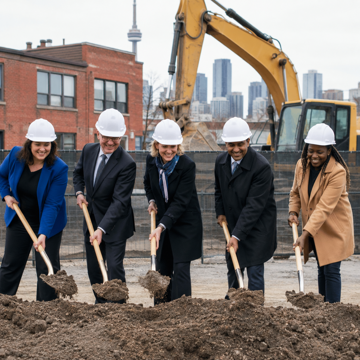
To encourage rapid construction, the City has stipulated that all selected projects must begin construction within 12 months to maintain eligibility for the financial incentives being offered. Cumulatively, through both Phases 1 and 2, the City is set to provide an estimated $894.2 million in financial incentives to support 34 rental housing developments. These projects are expected to result in the creation of over 3,800 affordable, rent-controlled homes alongside more than 13,000 market rental homes, ultimately aiding Torontonians across various income levels in affording housing in the city. This initiative also aims to foster job creation and economic opportunities within the construction sector while contributing to the establishment of complete communities.
Mayor Olivia Chow remarked, “Our Purpose-Built Rental Housing Incentives program is getting rental homes built faster. In this second phase, we’re supporting 19 shovel-ready projects across Toronto. They will create nearly 10,000 new rental homes, including more than 2,000 affordable homes. If you live and work in Toronto, you should be able to afford to live here.”
Councillor Chiara Padovani (York South-Weston) also expressed support, stating, “I want to applaud the Mayor and LiUNA for working together to create 89 rent-controlled homes at The Dennis, under Phase One of the City of Toronto’s Purpose-Built Rental Housing Incentives program, and I look forward to working to bring back rent control for every home in this city, because that’s how renters will get the housing security we deserve.”
With a population exceeding three million, Toronto stands as Canada’s leading economic engine, renowned for its diversity and livability. The city ranks among the largest in North America and is recognized globally for its advancements in technology, finance, culture, and climate action, consistently achieving high marks in international assessments fueled by investments from its government, residents, and businesses. Additional information can be found on the City’s official website.
🏷️
development charges
Affordable housing
urban infrastructure
rental homes
housing incentives
Construction
purpose-built rental
market rental
government funding
Toronto
← Previous Post
TC Energy Unveils Expansion Plans for Alberta Natural Gas Pipeline Network5 days ago